

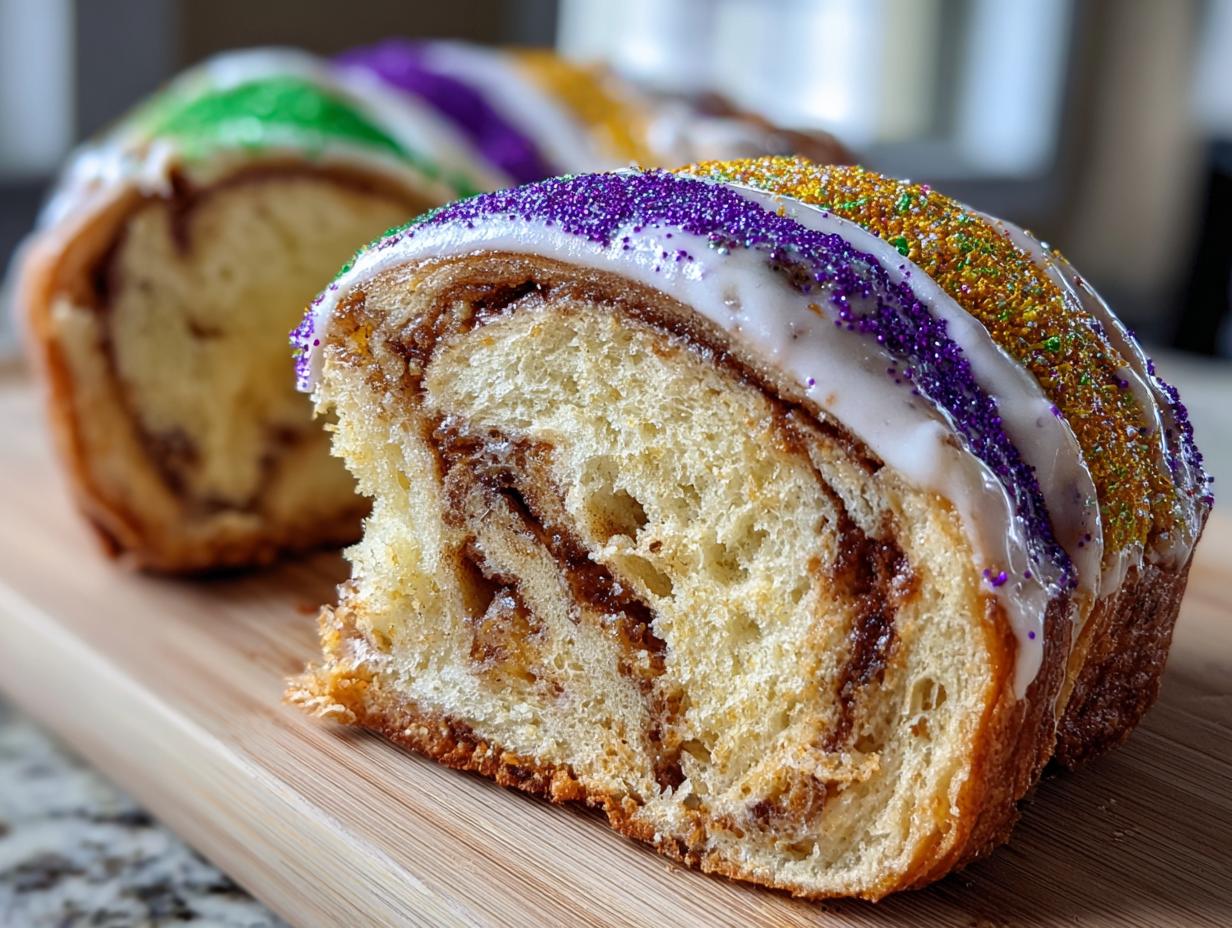
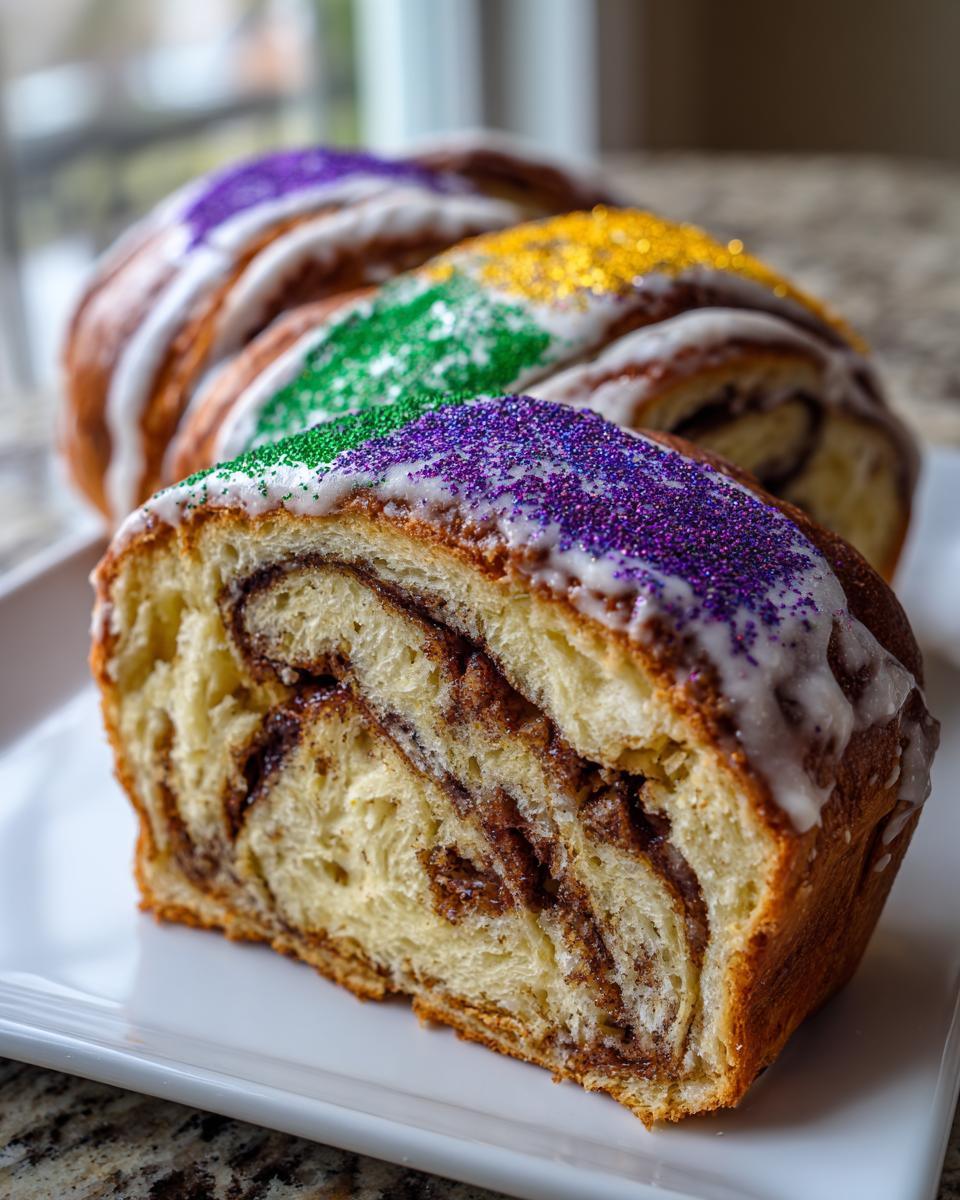
When that Mardi Gras magic starts popping up everywhere, you know it’s time for rich, celebratory baking! Forget the dry, store-bought stuff; we’re diving deep into authentic Louisiana baking traditions right here in your own kitchen. I’m sharing what I truly believe is the best king cake recipe because it captures that iconic, soft, pillowy texture—just like the ones you wait for during the parade. This isn’t just another sweet bread; we’re making a genuine New Orleans King Cake featuring a luscious cinnamon swirl filling. At Cookin’ Corner, we honor classics, and getting those heritage recipes right is what Sarah Jane Thompson is all about. Trust me, this easy method will land you a true show-stopping festive cake that tastes like pure Carnival joy.
- Why This Easy King Cake Recipe Captures the Mardi Gras Spirit
- Gathering Ingredients for Your Homemade King Cake
- Step-by-Step Instructions: How to Make a King Cake
- Tips for Success with Your Traditional King Cake Recipe
- Storage and Reheating for Your Carnival Season Treats
- Serving Suggestions for the King Cake
- Frequently Asked Questions About Making a King Cake
- Estimated Nutritional Data for This Mardi Gras Dessert
- Share Your Festive King Cake Creations
Why This Easy King Cake Recipe Captures the Mardi Gras Spirit
What’s the point of making this incredible homemade king cake if it takes three days and requires a professional bakery nearby to enjoy a perfect Mardi Gras dessert. It’s all about achieving that beautiful, soft texture associated with the best Carnival season treats.
- Authentic New Orleans Style Texture: We nail the soft, almost brioche-style dough structure. I promise, achieving this tender crumb is straightforward when you follow how we handle the yeast and kneading! You get that true king cake feel without the fuss.
- Simple Cinnamon Swirl and Glaze: The filling is rich but requires just three ingredients mixed in minutes. Plus, the final glaze is quick—no complicated seven-step icing required! This makes it a wonderful, manageable choice for your next easy holiday baking adventure.
Gathering Ingredients for Your Homemade King Cake
If you want that perfect, soft king cake that melts in your mouth, we can’t skip this part. Getting the right stuff ready makes the entire process so much smoother, believe me! When you commit to making this from scratch, the quality of your dough ingredients really shows through, capturing those beautiful Louisiana baking traditions. Think of this list as your shopping mandate for a successful Mardi Gras masterpiece!
Dough Components
These are the building blocks for our rich, brioche-style dough. Make sure your eggs are at room temperature; it really helps that yeast get happy!
- 1 cup warm milk (it needs to be around 110°F—too hot and you kill the yeast, too cool and nothing happens!)
- 2 1/4 teaspoons active dry yeast
- 1/2 cup granulated sugar, divided
- 2 large eggs, room temperature
- 1/4 cup unsalted butter, softened
- 1 teaspoon salt
- 3 1/2 to 4 cups all-purpose flour, plus more for dusting
Cinnamon Swirl Filling Ingredients
This filling is what brings the warm spice right into the heart of the bread. It’s so simple, but it smells heavenly while it bakes!
- 1/2 cup unsalted butter, melted
- 1/2 cup packed light brown sugar
- 2 tablespoons ground cinnamon
Glaze and Decoration for the King Cake
This is where we bring in the fun! These finishing touches transform the golden-brown bread into a proper celebration vessel. These colors are non-negotiable for true Mardi Gras fun; they give you those perfect purple green gold desserts.
- 1/2 cup powdered sugar
- 2 tablespoons milk or cream
- Purple, green, and gold sanding sugars (don’t skimp on these!)
Step-by-Step Instructions: How to Make a King Cake
Alright, time to roll up our sleeves! This is where the magic of a fantastic, soft king cake actually happens. Don’t let the yeast scare you away; making this elevated yeast bread dessert is mostly about patience when it comes to rising. If you’ve ever made cinnamon rolls, you’ll feel right at home here. We’re moving logically through the dough creation, shaping that iconic ring, and then finishing it off with the perfect crown of colors!
Mixing and First Rise of the Yeast Bread Dessert
First things first, we have to wake up that yeast! Remember I mentioned the warm milk? This is our E-E-A-T moment—we need that proof of life. Pour your milk into your mixing bowl—it should feel warm, not scalding, when you tested it earlier. Add the yeast and just a touch of sugar, give it a gentle stir, and let it sit for about ten minutes. If it gets foamy and bubbly on top, you have happy, active yeast, and we can proceed! If it does nothing, heads up, your milk was likely too hot or too old, so you’ll need to start that step over.
Once you see that foam, toss in the rest of the sugar, the room-temperature eggs, the softened butter, and the salt. Mix until it’s just combined. Now, slowly add your flour, cup by cup, until you have a shaggy dough. Turn that beauty out onto a floured surface. Kneading is important, so give it a good 8 to 10 minutes of solid work until it feels smooth and springs back when you poke it. Now, pop it into a greased bowl, cover it tightly, and tuck it somewhere warm for its first nap. It needs about an hour and a half to double in size. Don’t rush this step!
Rolling and Filling Your King Cake Ring
When that dough has doubled, it’s time to deflate it—just gently punch it down. Dust your counter lightly and roll that gorgeous dough out into a big rectangle. I aim for something around 12 by 18 inches; it needs to be long enough to roll up nicely. While that’s happening, quickly whisk together those filling ingredients—the melted butter, brown sugar, and cinnamon—until it looks like a thick, decadent paste.
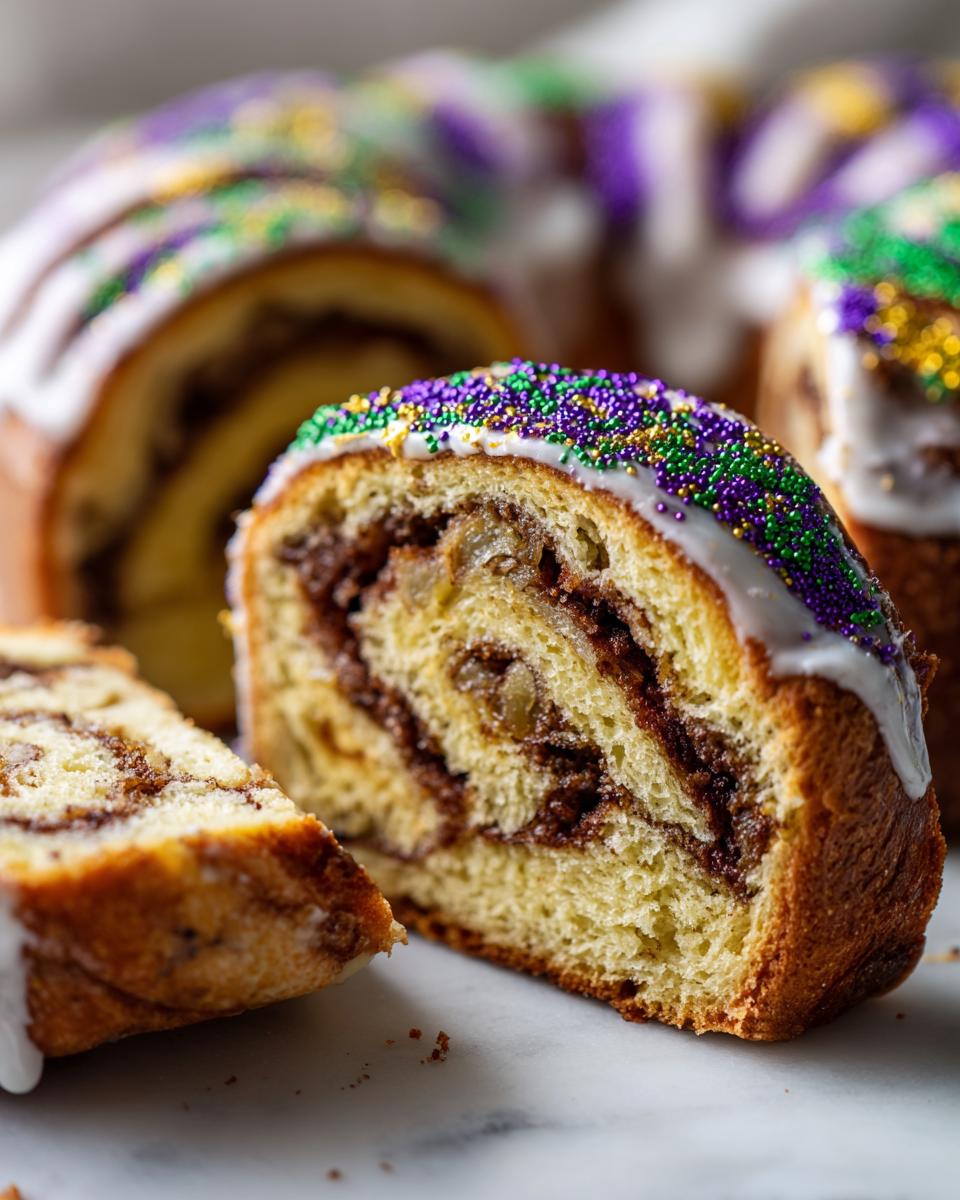
Spread that cinnamon filling all over the dough, making sure you leave a clean one-inch border along one of the long edges. This border is your seal! Now, start rolling tightly from the long edge opposite that border, making a nice, snug log. Once it’s all rolled up, you need to bring the two ends together to form that traditional ring. Overlap them just a little and pinch them together incredibly securely. Seriously, pinch it like you mean it! Place the ring onto parchment paper on a baking sheet. Cover it loosely again and let it puff up for another 45 minutes while you crank up that oven to 375°F (190°C).
Baking and Finishing the Festive Glazed Cakes
Baking time! Pop the puffy ring into the preheated oven. It usually takes about 25 to 30 minutes to turn a beautiful golden brown. You want to listen to your kitchen, but visually, it should look done. Once it’s out, let it cool on a wire rack for just a minute—we want it warm for the glaze, not piping hot, or the glaze will just melt right off.
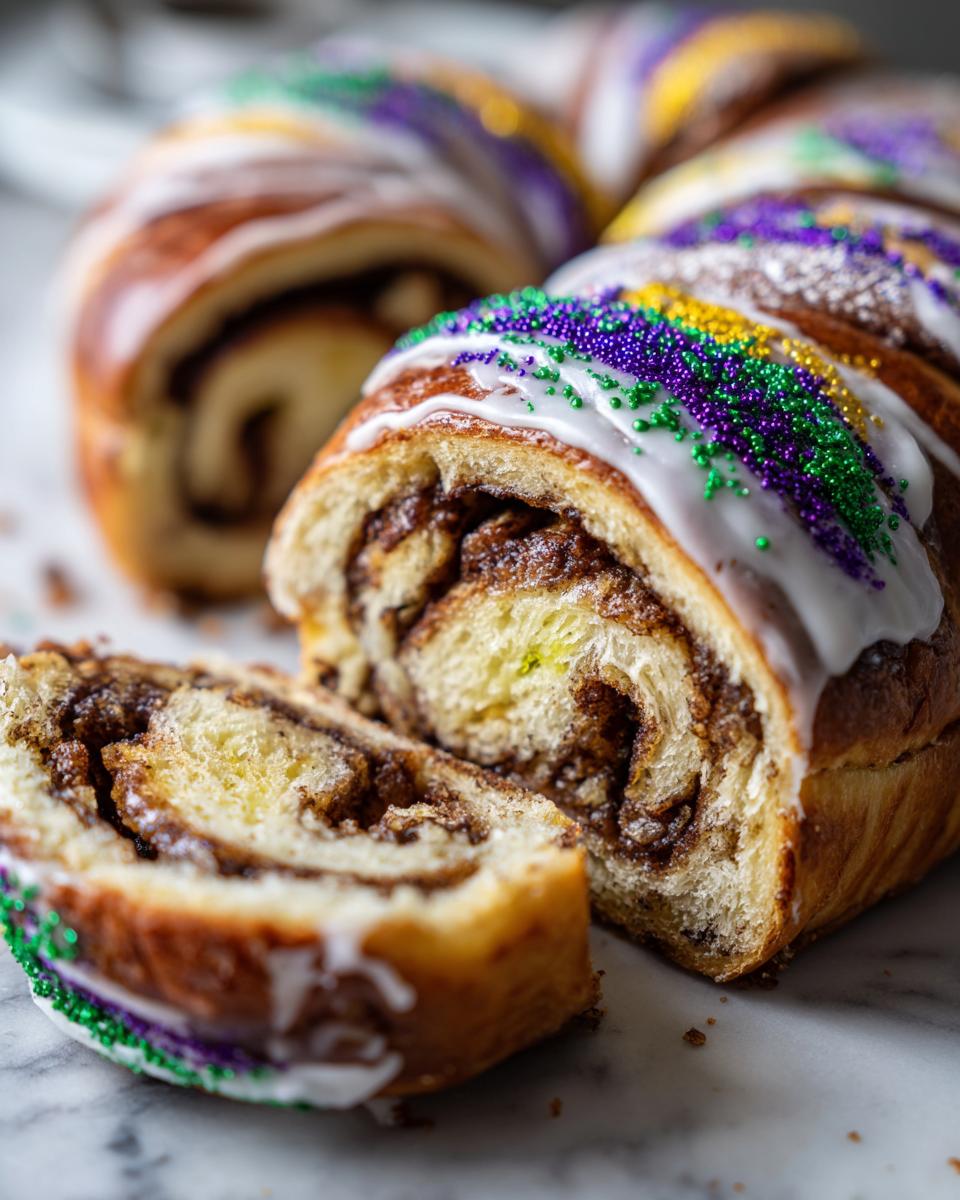
While it cools just slightly, whisk up your simple glaze—powdered sugar and milk whisked until smooth. Drizzle that glaze right over the top. Here’s the key to making these festive glazed cakes look the part: you MUST sprinkle those purple, green, and gold sanding sugars on immediately while the glaze is still wet so everything sticks perfectly. If you wait, you just get sad, uncolored spots! That’s it—your amazing, homemade king cake is ready for the Fat Tuesday table!
Tips for Success with Your Traditional King Cake Recipe
Now that you’ve got the dough mixed and shaped, I want to share a few little secrets I picked up watching my mentor try to master these Louisiana baking traditions. Don’t worry if your dough isn’t absolutely perfect—remember, these cakes thrive on love and warmth, not textbook precision! These extra tips will help guarantee you end up with that incredible, soft king cake that people fight over at the party.
Achieving Brioche Style Softness
If you want that truly tender, pull-apart quality that defines a great brioche style cake, temperature is your secret weapon. I’m not talking about the oven temperature here; I’m focused on the initial ingredients! Make absolutely sure your butter and your eggs are at true room temperature before you mix them into the dough. When the cold items meet the yeast mixture, it slows everything down, and you risk an uneven rise.
When the butter is soft but holds its shape, and the eggs are ready to go, you get the best emulsification. This traps the air needed for that impossibly light crumb when it bakes. You can think of it like making fluffy southern biscuits; if the fats are too cold, everything stays heavy. This level of care is what separates an okay yeast bread from a legendary king cake.
Optional Cream Cheese King Cake with Cream Cheese Filling Variation
Okay, so maybe while you’re prepping the cinnamon swirl, you realize you’re thinking about that super rich version. If you want to make a King Cake with cream cheese filling instead (or in addition to!), it’s ridiculously easy to swap it in! You don’t have to follow the cinnamon paste instructions.
Instead of mixing the butter, brown sugar, and cinnamon, you’re going to whip up this quick filling right before you roll out your dough. Just take 4 ounces of softened cream cheese, mix it with 1/4 cup of powdered sugar, and about half a teaspoon of vanilla extract until it’s perfectly smooth. I find that adding a little extra vanilla makes the cream cheese pop against the sweet dough.
Spread this decadent cream cheese layer evenly over your dough rectangle, leave that same one-inch border on the long side, and then proceed exactly as written in the main recipe—roll it up tight and pinch those seams! You might want to add an extra 5 minutes to the bake time just to ensure that thicker center filling gets completely set. It becomes an even richer, more decadent festive sweet bread.
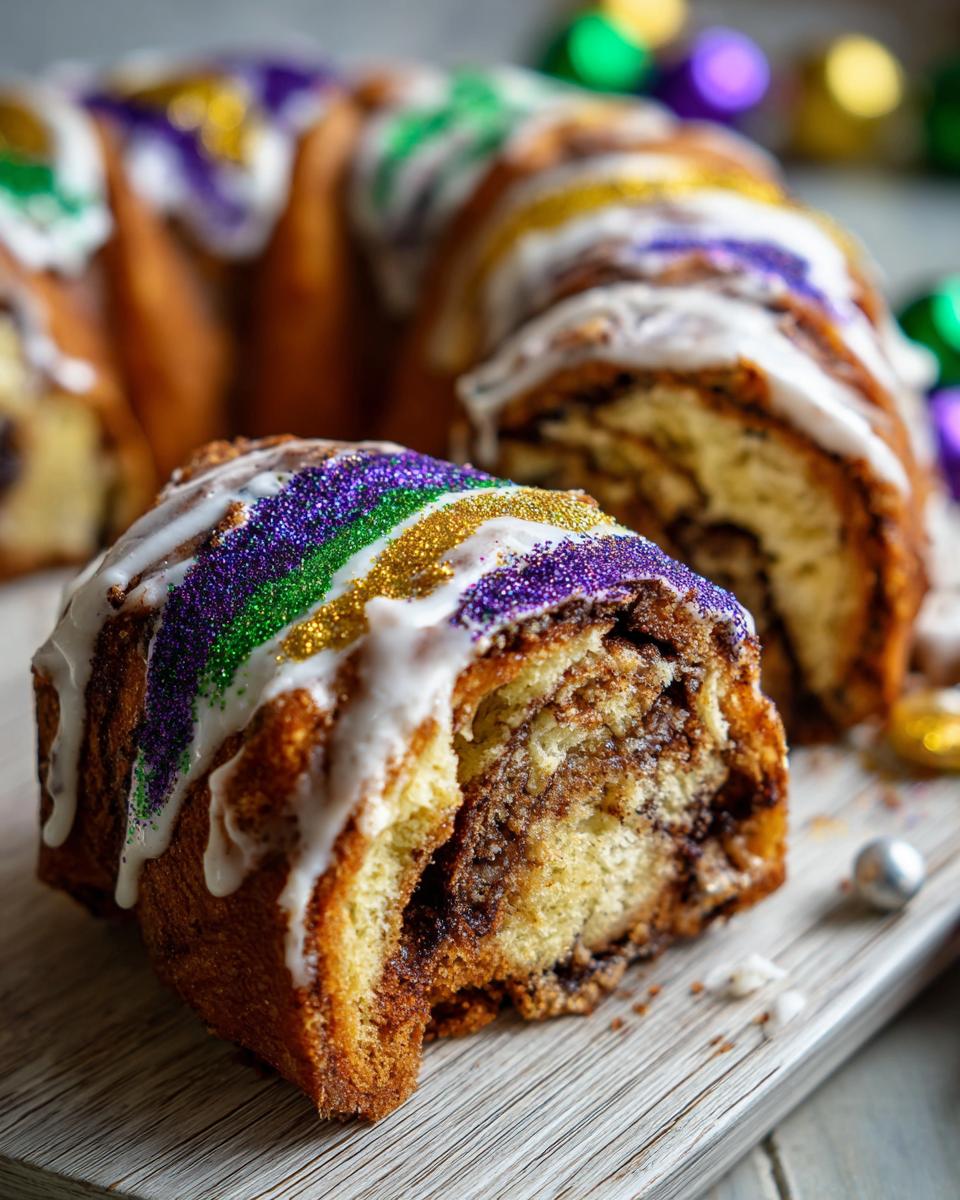
And speaking of tradition: If you’re feeling bold and want that fun surprise factor that New Orleans bakeries always include, remember to tuck a clean, small plastic baby figurine or a dried bean deep inside the dough before you seal that final ring. It’s a silly little ritual, but it makes everyone feel like a winner when they find it!
Storage and Reheating for Your Carnival Season Treats
Now, I know what you’re thinking: this showstopper is huge! Unless you’re hosting the entire Mardi Gras parade at your house, you’ll have leftovers, and we absolutely can’t let that gorgeous, soft dough go stale. Luckily, this sweet bread holds up quite well, but you have to store it properly to maintain that freshly baked feel.
For immediate enjoyment over the next day or two—which is usually how long they last around my house—just leave your uneaten king cake right on the counter. Cover it loosely with foil or plastic wrap. Don’t wrap it airtight while it’s still warm, because that moisture gets trapped and can make the crust soggy. You want it air-able but protected from dust bunnies!
If you need to save some for later in the week—maybe you’re planning a second party or just love breakfast pastry—the fridge is the way to go. Wrap it really well in plastic wrap, then maybe pop it into a large zip-top bag for extra defense against drying out. It should keep nicely for up to four days this way.
When it’s time to eat those refrigerated slices, don’t just grab them cold! That’s the biggest mistake people make with yeast breads. They get stiff and sad.
To bring back that beautiful, soft texture, you have two options. If you’re just eating a single slice, pop it in the microwave for about 10 to 15 seconds. That little burst of heat warms the butter back up inside the crumb. If you’re reheating a larger section, wrap it loosely in foil and warm it in a 300°F oven for about 10 minutes. That gentle heat revives the bread way better than the microwave does.
If you made this beauty ahead of time, fear not! This king cake freezes beautifully. Wrap the entire cooled cake (or individual slices) tightly in plastic wrap, then aluminum foil. You can store it frozen for up to two months. When you’re ready to eat it, let it thaw overnight on the counter still wrapped, then follow the gentle oven reheating instructions above. Check out my tips on preserving other delicious foods if you want to practice your preservation skills year-round!
Serving Suggestions for the King Cake
What’s a beautiful, towering king cake without the perfect beverage standing right next to it? This is a rich, sweet pastry, right? That means we need something to cut through that richness or something that just doubles down on the festive spirit!
When I serve this as a true Mardi Gras party food centerpiece, I always make sure I have a few options ready for whatever time of day folks decide to snack (because let’s be honest, king cake is acceptable for breakfast, lunch, and dinner during Carnival season!).
For the morning crowd, you absolutely have to have strong, dark-roast coffee. The slightly bitter edge of the coffee is the perfect foil for the sweet vanilla glaze and the warm cinnamon swirl. It’s a classic pairing for a reason, and it tastes just like what I imagine they drink walking across the French Quarter in the morning!
If you’re looking for something festive for an afternoon gathering or evening party, try serving this with a batch of my Cranberry Apple Cider Punch. It’s non-alcoholic, but it has those wonderful warm spices like cinnamon and clove that complement the cake’s filling perfectly. You can find the recipe for that festive punch right here on the Corner!
For the adults who might be around, a slightly dry sparkling wine or even a simple ice-cold milk works wonders. The bubbles or the fat in the milk cleanses the palate between bites of rich dough. Anything too sweet usually clashes, so I stick to simple, refreshing beverages. Whatever you pair it with, just make sure everyone gets a big ol’ slice!
Frequently Asked Questions About Making a King Cake
Making a king cake is fun, but sometimes little questions pop up once you get started mixing! That’s totally normal, especially when working with a yeast bread dessert like this. I pulled together the questions I hear most often so you can bake with total confidence and ensure you nail that authentic, soft texture. Let’s conquer those last-minute doubts!
Can I use store-bought dough for an easy king cake?
Oh, I hear you on wanting the easy route! If you are truly short on time, yes, you *can* use store-bought refrigerated cinnamon roll dough, and it will technically result in a ring-shaped, glazed pastry. But listen to me: the texture won’t be the same, darling. This recipe features a specific method to coax the dough into that gorgeous, pillowy, brioche style cake texture that you just can’t get from a tube. Using homemade dough, even if it takes longer for the rises, is the secret sauce to the real deal. If you use the can, you miss out on that incredible chewiness!
What is the significance of the purple, green, and gold colors?
This isn’t just about making pretty purple green gold desserts; those colors are steeped in tradition! They were chosen way back in the 1870s to represent the religious meanings of the Carnival season. Purple symbolizes Justice—like standing up for what’s right. Green stands for Faith, which we all need a little of, right? And the beautiful gold represents Power. So when you sprinkle those colors on your finished king cake, you’re decorating with all that history and spirit!
How do I know if my king cake has risen enough?
This is essential for a light final product! You have two rises to watch out for. For that first rise in the bowl, you’re looking for the dough to visibly double in size. If you gently poke it with a floured finger, the indentation should slowly spring back, but not immediately pop back up. If it collapses completely, it over-proofed. For the second rise, after you’ve shaped the ring, it should look noticeably puffy and airy—maybe an inch taller than when you first placed it on the pan. It should jiggle just a little when you gently shake the baking sheet. If it seems heavy or dense when you poke it, give it another 10 or 15 minutes in that warm spot!
Estimated Nutritional Data for This Mardi Gras Dessert
Now, I know we aren’t making this fluffy king cake to count every calorie—it’s Mardi Gras, after all! But I truly believe in being transparent about what goes into our baking. Since every ingredient can vary slightly based on your exact butter usage or how much sugar splashes onto the pan during rolling, these numbers are a solid estimate. Think of this as your guidepost, not a scientific guarantee!
This data is calculated based on a 10-serving yield for one slice of the cinnamon swirl cake, before any additional cream cheese frosting is added on top. If you’re tracking macros or calories, just keep that in mind! For more guidance on enjoying these favorites happily, feel free to check out my thoughts on balancing those richer classic recipes.
- Serving Size: 1 slice
- Calories: 380
- Sugar: 35g (Yes, it’s a treat!)
- Fat: 18g
- Saturated Fat: 10g
- Carbohydrates: 50g
- Protein: 6g
- Sodium: 250mg
Again, this is for the plain cake with the light glaze and sanding sugar only. If you decide to go heavy on extra cream cheese filling—and who could blame you?—those numbers will certainly climb slightly. Enjoy every bite of this amazing Mardi Gras dessert!
Share Your Festive King Cake Creations
Now that you’ve gone through the whole process—from waking up the yeast to crowning your creation with purple, green, and gold—I truly hope you’re staring at the most beautiful show-stopping festive cake you’ve ever made! Making a king cake is special because it’s a tradition, and traditions thrive when they are shared.
I absolutely live to see the beautiful things you all create in your kitchens! If this recipe brought a little bit of New Orleans celebration into your home, please let me know! Don’t just walk away—come back and tell the community how it went. Did the cinnamon swirl stay put? Did you hide the baby successfully? Your feedback helps me continue perfecting these classic American recipes here at Cookin’ Corner.
Here’s what I’d love for you to do next:
- Rate It! If you loved the soft texture and the easy steps, click those stars at the top of the page and leave us a rating. It truly helps other home cooks like you find reliable recipes.
- Drop a Comment: Did you try the optional cream cheese filling, or stick to the classic swirl? Share your variation stories below—I read every single note you leave!
- Snap a Photo: Seriously, take a picture of your finished, glazed, and glittery king cake! Tag me on social media when you post it. Seeing your festive bakes makes my entire day and keeps the spirit rolling long after Mardi Gras ends.
Thank you so much for trusting me with this wonderful recipe. If you ever have a question about this bake or anything else in the kitchen, don’t hesitate to reach out through my contact page. Happy Carnival season, everyone!
PrintEasy New Orleans Style King Cake with Cinnamon Swirl
Make an authentic, soft King Cake at home for Mardi Gras. This recipe features a sweet cinnamon swirl filling and a simple glaze, capturing the spirit of Louisiana baking traditions.
- Prep Time: 45 min
- Cook Time: 30 min
- Total Time: 3 hours 15 min
- Yield: 10 servings 1x
- Category: Dessert
- Method: Baking
- Cuisine: American
- Diet: Vegetarian
Ingredients
- 1 cup warm milk (about 110°F)
- 2 1/4 teaspoons active dry yeast
- 1/2 cup granulated sugar, divided
- 2 large eggs, room temperature
- 1/4 cup unsalted butter, softened
- 1 teaspoon salt
- 3 1/2 to 4 cups all-purpose flour, plus more for dusting
- 1/2 cup unsalted butter, melted (for filling)
- 1/2 cup packed light brown sugar (for filling)
- 2 tablespoons ground cinnamon (for filling)
- 1/2 cup powdered sugar (for glaze)
- 2 tablespoons milk or cream (for glaze)
- Purple, green, and gold sanding sugars (for decoration)
Instructions
- Activate the yeast: In a large bowl, combine the warm milk, yeast, and 1 tablespoon of the granulated sugar. Let stand for 5 to 10 minutes until foamy.
- Mix the dough: Add the remaining granulated sugar, eggs, softened butter, and salt to the yeast mixture. Gradually add the flour, mixing until a soft dough forms.
- Knead the dough: Turn the dough onto a lightly floured surface and knead for 8 to 10 minutes until smooth and elastic. Place the dough in a greased bowl, cover it, and let it rise in a warm place for 1 to 1.5 hours, or until doubled in size.
- Prepare the filling: While the dough rises, mix the melted butter, brown sugar, and cinnamon together in a small bowl until it forms a paste.
- Shape the cake: Punch down the risen dough. Roll it out on a lightly floured surface into a large rectangle, about 12 by 18 inches. Spread the cinnamon filling evenly over the dough, leaving a 1-inch border on one long edge.
- Roll and form the ring: Tightly roll the dough up lengthwise, starting from the long edge opposite the border. Pinch the seam closed. Bring the two ends together to form a circle, overlapping them slightly, and pinch them securely to seal. Place the ring on a baking sheet lined with parchment paper.
- Second rise: Cover the ring loosely and let it rise again in a warm spot for about 45 minutes, or until puffy. Preheat your oven to 375°F (190°C).
- Bake: Bake for 25 to 30 minutes, or until golden brown. Let the cake cool slightly on a wire rack.
- Make the glaze: Whisk together the powdered sugar and milk until smooth. Drizzle the glaze over the warm cake.
- Decorate: Immediately sprinkle the cake with purple, green, and gold sanding sugars before the glaze sets.
Notes
- For a traditional touch, you can hide a small, clean plastic baby figurine inside the cake before baking.
- If you prefer a cream cheese filling, mix 4 ounces of softened cream cheese with 1/4 cup powdered sugar and 1/2 teaspoon vanilla extract, then spread this mixture over the dough before adding the cinnamon layer.
- To achieve the classic brioche style, ensure your butter and eggs are at room temperature before mixing.
Nutrition
- Serving Size: 1 slice
- Calories: 380
- Sugar: 35g
- Sodium: 250mg
- Fat: 18g
- Saturated Fat: 10g
- Unsaturated Fat: 8g
- Trans Fat: 0.5g
- Carbohydrates: 50g
- Fiber: 2g
- Protein: 6g
- Cholesterol: 65mg