

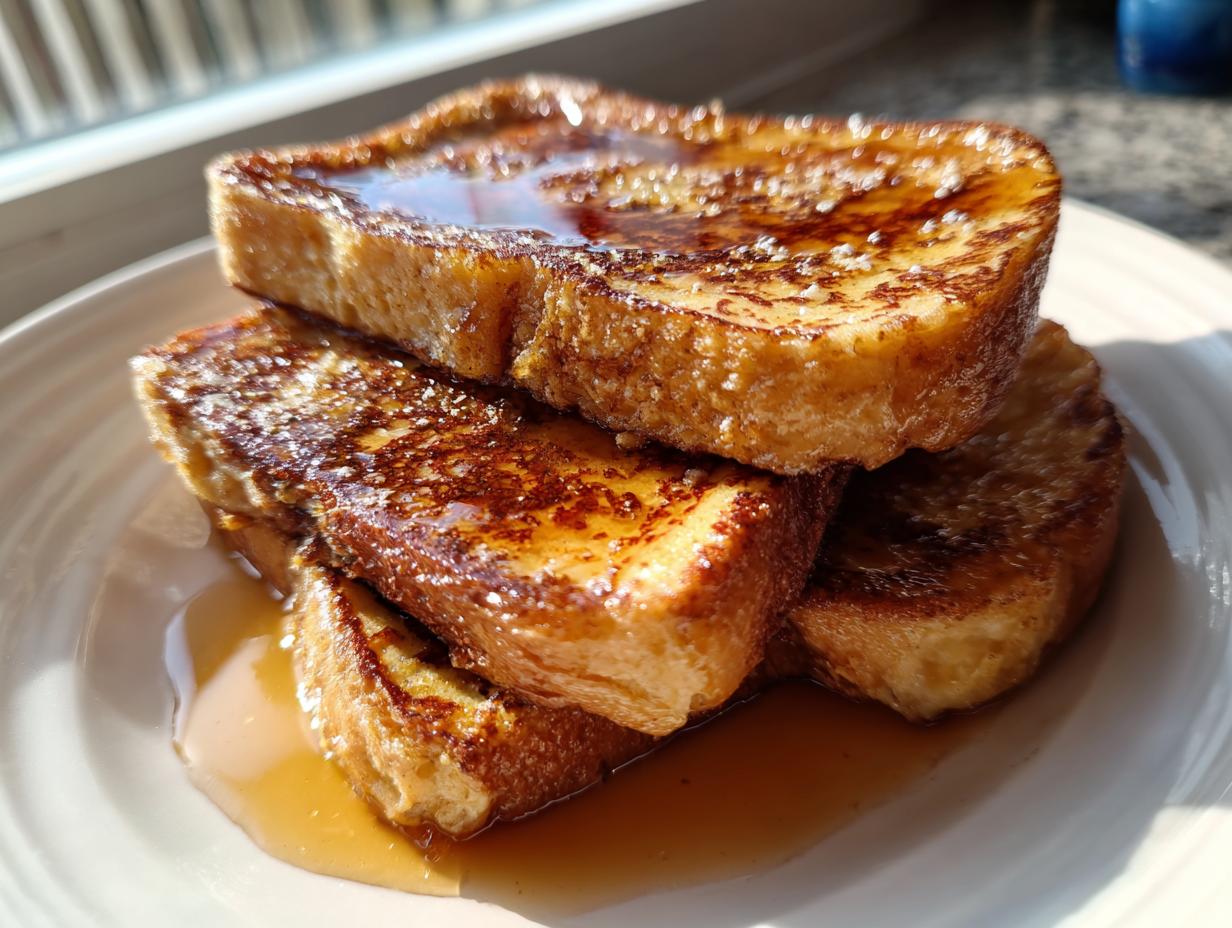
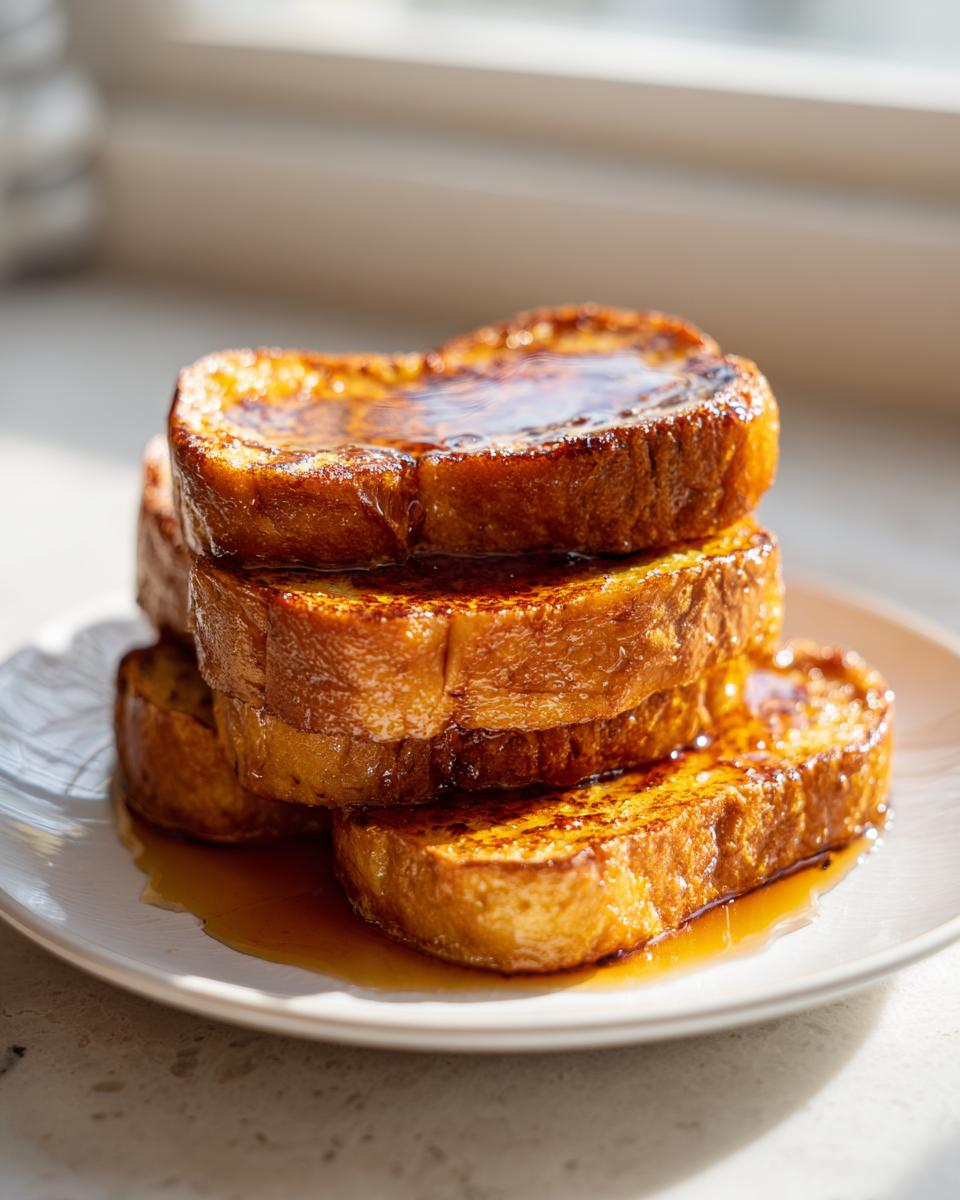
There is nothing sadder than a beautiful loaf of sourdough bread getting a little too firm sitting on the counter. Don’t you dare throw it out! We’re going to rescue that sturdy loaf and transform it into the most incredible weekend brunch recipes you can imagine. This is truly the best sourdough french toast you will ever make because it conquers the greatest French toast challenge: achieving that perfectly crispy, golden brown exterior while keeping the inside incredibly soft and custardy. Trust me, making this dish brings a little bit of that old-fashioned American warmth right into your kitchen.
- Why This is the Best Sourdough French Toast Recipe
- Gathering Ingredients for Perfect Sourdough French Toast
- Step-by-Step Instructions for Classic Sourdough French Toast
- Tips for Restaurant Style Sourdough French Toast Success
- Serving Suggestions for Your Sourdough Breakfast Ideas
- Storage and Reheating Sourdough French Toast
- Variations on Classic Sourdough French Toast
- Frequently Asked Questions About Sourdough French Toast
- Share Your Golden Brown Breakfast Creations
Why This is the Best Sourdough French Toast Recipe
I’ve tried every trick in the book to stop French toast from turning into a sad, soggy mess. Honestly, the game-changer for me was switching to sourdough. This isn’t just about using up leftovers; it’s about superior texture. When you dip regular bread, it often just dissolves on you before it even hits the pan. Not sourdough!
We’ve put this recipe through the ringer, serving it for special occasions and quick weekday rushes, and it always delivers a result worthy of a high-end brunch spot. We rely on tried-and-true methods here at Cookin’ Corner.
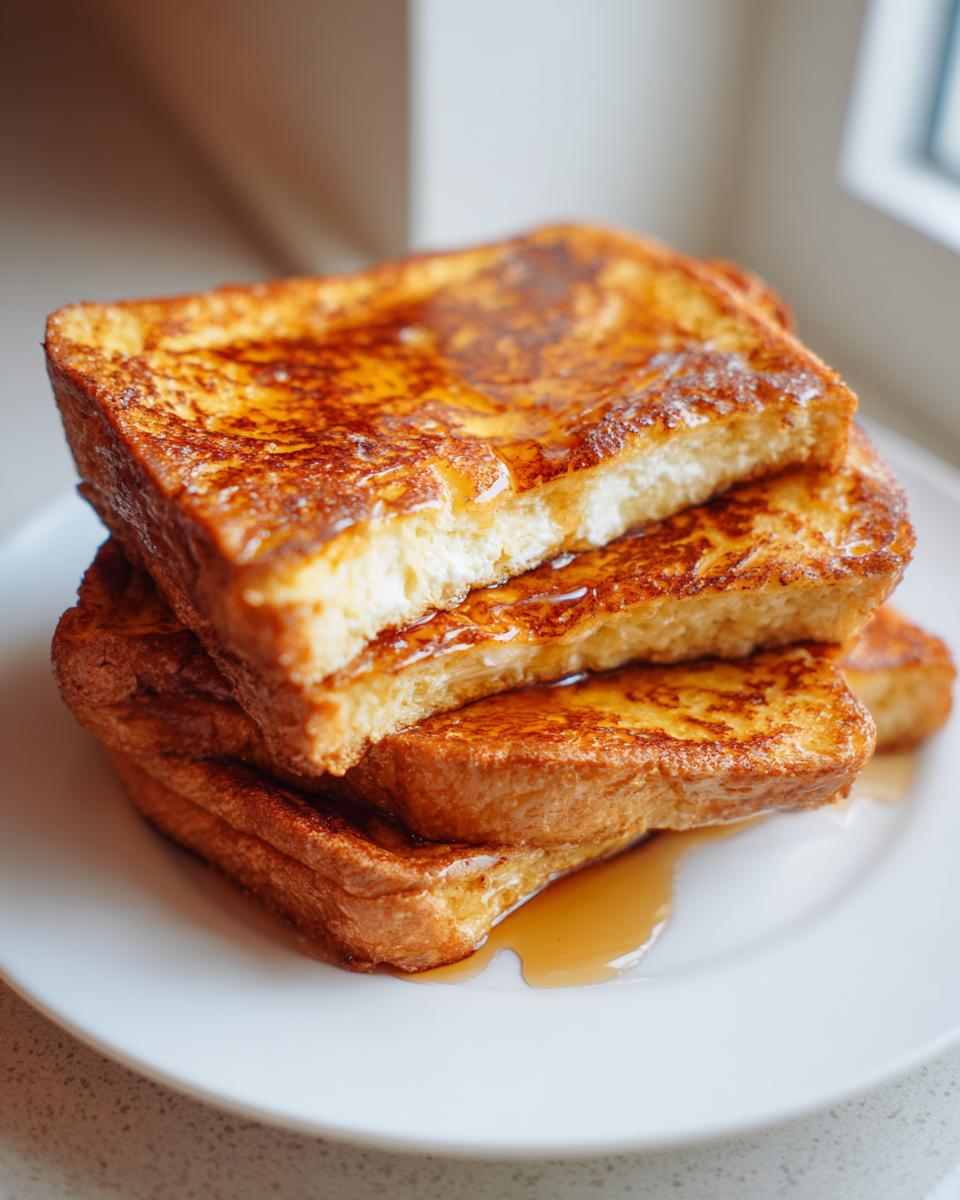
Achieving Custardy French Toast Texture
Sourdough has a tighter, heartier crumb than soft sandwich bread. Because it’s sturdy, whether you soak it for 15 seconds or 30 seconds, that gorgeous thick-cut sourdough slab stands up to the egg mixture. That sturdiness means the outside browns beautifully while the inside slowly steams into that rich, soft custard we all dream about. It’s the foundation of achieving amazing custardy french toast.
Flavor Boost from Sourdough Tang
Here’s the little secret that pushes this beyond just good: the flavor! The natural, subtle tang from the fermented sourdough dough cuts through the sweetness of the egg batter perfectly. It stops the overall dish from tasting overly sweet or heavy. It’s that slight sharpness that makes people stop and ask what your secret is—it tastes exactly like restaurant style french toast!
Gathering Ingredients for Perfect Sourdough French Toast
When we talk about making the best breakfast, it always starts with quality gathering. For this recipe, the true hero is your bread choice. We absolutely want day-old sourdough here—it’s the best way to use old sourdough bread! The slightly dried-out texture is ready to soak up all that lovely custard without turning mushy on you. Make sure you slice it thick, at least an inch if you can manage it. Thickness is key for that golden brown breakfast that’s fluffy inside.
Ingredient Notes and Substitutions for Sourdough French Toast
We’re keeping the batter simple, focusing on classic flavors. Don’t skimp on the vanilla—we want that rich, comforting scent we associate with Cinnamon Vanilla French Toast. For the milk component, the recipe calls for half-and-half, which gives you a lovely richness. If you want to treat yourself, go ahead and use heavy cream; it makes the custard extra luxurious!
Also, please make sure your spices—cinnamon and nutmeg—are fresh. Old spices taste dusty, and we’re aiming for bright flavor here!
Step-by-Step Instructions for Classic Sourdough French Toast
Now that we have our sturdy bread and rich custard mixture ready, it’s time for the magic. Remember, timing is everything when you’re aiming for that perfect texture. We want the bread soaked but not swimming, coated but not dripping—that’s the secret handshake to avoid soggy bottoms and ensure delicious results for your easy morning recipes.
Preparing the Cinnamon Vanilla French Toast Batter
First up, let’s get that egg mixture perfect. Grab a shallow dish—a pie plate works brilliantly for dipping. Whisk those eggs until they are light yellow, and then pour in your half-and-half, vanilla, cinnamon, and nutmeg. I always add the sugar and a tiny pinch of salt right here. It’s important that you whisk this really well until the granular sugar is mostly dissolved. If the sugar sits on the bottom, you end up with crunchy pockets on your otherwise smooth toast.
Cooking for Golden Brown Breakfast and Crispy Edges French Toast
Heat a large griddle or a heavy-bottomed skillet over medium heat. Medium is key—too high, and the outside burns before the inside custards; too low, and it gets oily! Add your butter and let it get happy and foamy. Now, time the soak! Dip one slice of sourdough into the custard mixture, making sure both sides get a good coat, about 15 to 20 seconds per side. Sourdough is tough, so it can handle it!
Gently lay the soaked bread onto that hot, buttery surface. Cook it for about 3 to 4 minutes until you see deep, golden brown color forming, especially around the edges. Those caramelized bits are the crispy edges French toast dream! Flip carefully and cook the second side until it matches. Keep the finished slices warm while you quickly repeat the process.
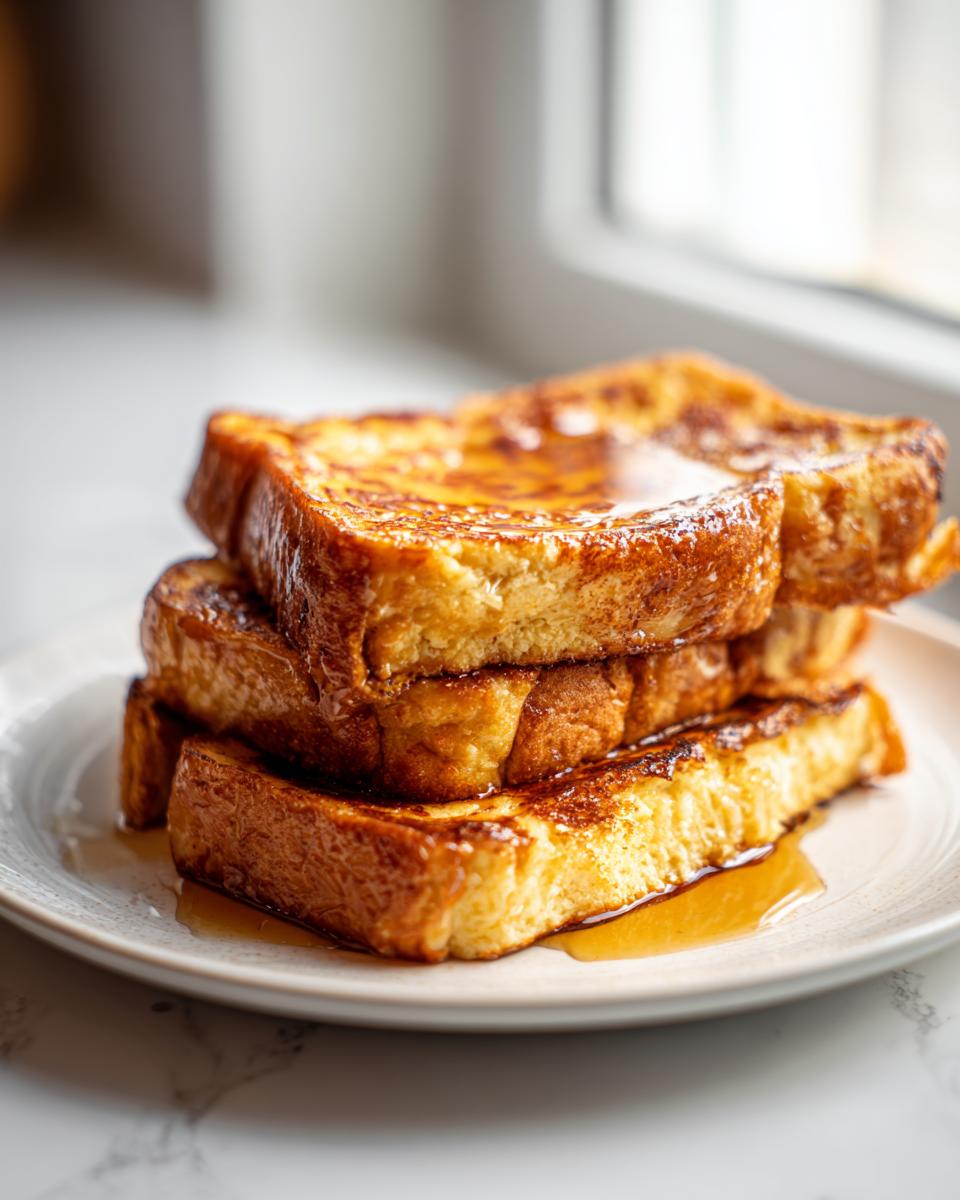
Tips for Restaurant Style Sourdough French Toast Success
Getting that restaurant-quality French toast isn’t just about dumping stuff in a pan; it’s about respecting the bread, especially when we’re working with something as special as sourdough. My grandmother always said you need technique, not just a recipe, to get true breakfast perfection. These little tricks are what separate the good brunch from the *great* brunch.
The Importance of Day-Old Sourdough Bread
If you skipped the note earlier, please bookmark this part! This is the absolute best way to use up old sourdough bread. When the loaf is older—say, two or three days—it gets a little firm. That firmness is your superpower here! Soft, fresh sourdough will soak up the egg mixture faster than you can blink, and then it collapses into a puddle when you try to flip it. The day-old texture acts like a sponge that has room to expand without dissolving. This is key to getting that perfect thick cut french toast that actually holds its shape.
Keeping Your Sourdough French Toast Warm
Since we’re cooking this in batches, the first slices are always judging the last slices, right? I learned this trick years ago when hosting big family brunches. Once your first pieces are perfectly gold across the edges and nice and custardy, don’t just set them on a plate! Set a wire cooling rack over a baking sheet and place the cooked French toast right on that rack. Then, slide the whole tray into your oven, set it super low—about 200 degrees F. This keeps them toasty warm and allows any residual moisture to escape, ensuring the bottom pieces don’t steam and get soggy while you finish up the rest of the batch. It’s a simple step, but it guarantees every plate you serve is piping hot and just as crisp as the first bite.
Serving Suggestions for Your Sourdough Breakfast Ideas
Once you’ve mastered the technique and pulled those golden slices off the griddle, half the fun of a big breakfast is deciding how to dress them up! Since the sourdough already carries a little bit of that lovely tang, it’s wonderfully versatile. You can keep it perfectly simple, or you can go all out for those elaborate Weekend Brunch Recipes we all look forward to.
The standard topping, good old real maple syrup, is always a winner because its deep, earthy sweetness pairs perfectly with the spiced batter. A big pat of melting butter right on top is non-negotiable for me—it just adds that final layer of richness that makes the whole plate feel cozy.
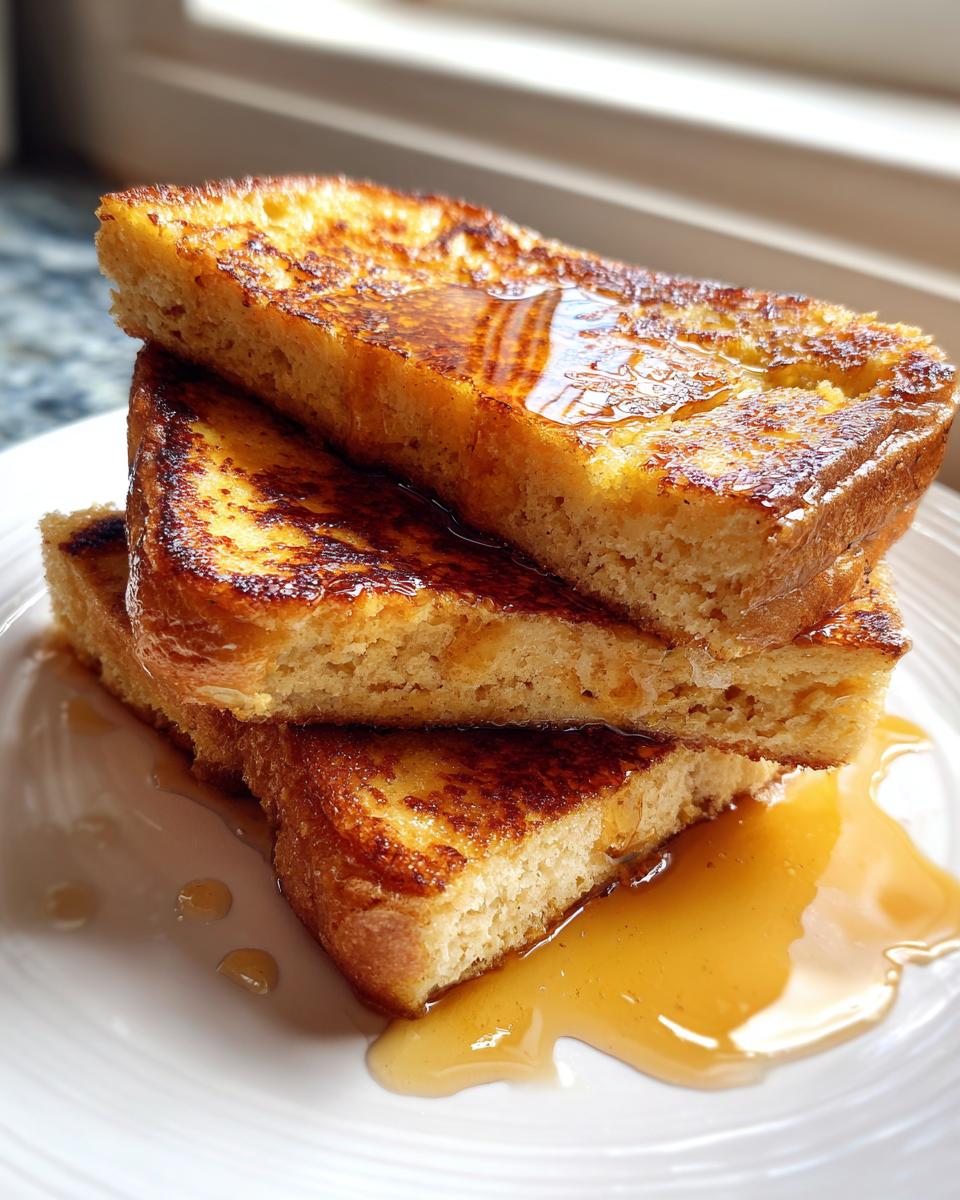
But if you want to elevate these beyond your everyday breakfast, try a little citrus love! A quick sprinkle of fresh orange zest over the top before you add the syrup brightens everything up immediately. It really complements the cinnamon and vanilla notes lurking in the batter.
For something a little cooler and smoother, a dollop of good quality Greek yogurt mixed with a tiny drizzle of honey makes a fantastic creamy counterpoint to the crispy edges. Or, if you feel like getting ambitious, a quick, warm berry compote—just toss some mixed berries in a small saucepan with a spoonful of sugar and cook until they break down a little—is next-level delicious alongside this comforting breakfast.
Storage and Reheating Sourdough French Toast
Even the best breakfast sometimes ends up with leftovers, and thankfully, this sourdough french toast holds up beautifully! It’s certainly made for eating right away, but if you have extra, don’t just toss it; we can rescue that crispy exterior later. This is a great way to manage those busy mornings by prepping ahead, which cuts down on your time for other easy morning recipes the next day.
For storage, the key is keeping the moisture separate from the crisp parts. Once the toast has cooled completely—and I mean really cool, don’t trap any steam in the container—lay the slices flat in a single layer inside an airtight container. If you stack them right away, they turn gummy! I sometimes put a paper towel between layers just to absorb any lingering humidity. You can keep these in the fridge for about three days, max.
Reheating is where you bring back the magic. I try to avoid the microwave whenever possible because that’s a guaranteed texture killer. Instead, use a toaster oven or a skillet. If you use the skillet, melt just a tiny bit of butter over medium heat and warm the slices gently for maybe two minutes per side. If you’re doing a big batch, spread them out on a baking sheet and pop them back into a 350-degree oven for about 8 to 10 minutes. That gentle dry heat works wonders to crisp up the edges again without drying out the inside custard too much. It won’t be quite as perfect as fresh off the griddle, but it’s awfully close!
Variations on Classic Sourdough French Toast
While I champion this pan-fried version because it’s fast and gives you that fantastic control over the crust, I know sometimes you need to feed a crowd, or you just want something that tastes like a decadent dessert for your Sweet Breakfast Casseroles collection. Don’t worry; the sourdough base is hardy enough to handle a few fun twists!
For the biggest impact with the least effort, think about adding things *into* the custard batter itself. We already use cinnamon and nutmeg for that warm scent, but you can easily kick things up a notch if you’re feeling inspired for a special occasion breakfast.
If you want to turn this into a baked dish—perfect for Make Ahead Breakfast Ideas—you can do that too! Instead of dipping and frying, you cube up about a full loaf of day-old sourdough and let the custard soak in overnight. Then you bake it in a buttered dish until it’s puffy and golden. It won’t have the same crispy edges as the fried version, but it’s zero stress in the morning for a big family gathering.
But sticking to the pan-fry method, try this: for a richer flavor profile, swap out some of the milk for a tiny splash of orange juice in your batter. That bright citrus note dances beautifully with the sourdough tang, making it taste incredibly vibrant. Or, if you have some browned butter left over from another project, use that instead of fresh butter for frying. It adds a deep, nutty base underneath all that cinnamon and vanilla!
Frequently Asked Questions About Sourdough French Toast
When you’re making something as beloved as French toast, you’re bound to have questions, especially when substituting that amazing sourdough! These are the things I hear most often from folks trying to achieve that perfect, comforting plate of comfort food breakfast perfection.
Can I use fresh sourdough bread for this sourdough french toast?
You *can*, but day-old is definitely better, as I harp on about! Fresh sourdough is so soft that it soaks up the custard nearly instantly, and it can get heavy and tear when you try to flip it. If all you have is fresh, it’s okay! Just reduce that soaking time to maybe 5 to 10 seconds per side. You want it coated, not saturated. The bread needs that initial dryness to become truly from scratch breakfast gold.
How do I make this a make-ahead breakfast?
If you’re planning for a big breakfast, you can certainly prep components ahead of time. Make your batter—just the egg, milk, and spice mix—and store it in the fridge in an airtight container for up to 24 hours. You can also arrange your thick slices in a casserole dish, pour the custard over them, and refrigerate overnight for an overnight sourdough french toast experience! Just know that pan-fried is truly best fresh, but the casserole method is a fantastic substitute for feeding a crowd.
What is the best way to use up old sourdough bread?
Well, you found it! This recipe is honestly the number one way I combat waste in my kitchen. Those firm, slightly too-tough loaves that seem destined for the compost bin are actually the perfect vessel for soaking up rich custard. It rescues the bread, saves you money, and results in a much better texture than using soft bread. It elevates what seemed like an unusable loaf into one of the very best Sourdough Breakfast Ideas!
Share Your Golden Brown Breakfast Creations
Now that you’ve made your own batch of glorious, crispy, custardy goodness, I truly would love to know what you think! This recipe came from my memories, and your success makes my day. It’s why we do this here at Cookin’ Corner—to create dependable, delicious classics that bring families together for wonderful brunch menu ideas.
Did you manage to get those perfect crispy edges? Were you able to rescue a loaf that was borderline too hard? Please hop down to the comments section below and leave a review! Giving this recipe a star rating helps other home cooks find the best ways to use their wonderful sourdough loaves.
And if you snapped a picture of your beautiful, golden brown breakfast—maybe drizzled with syrup or piled high with fresh fruit—please share it with me on social media! Tag me so I can see your masterpieces. Nothing makes me happier than seeing these timeless American classics come to life in your kitchens.
PrintEasy Sourdough French Toast: Crispy Outside, Custardy Inside

Use your leftover sourdough bread to make this easy sourdough French toast. This recipe delivers a restaurant-style breakfast with crispy edges and a soft, custardy center in under 25 minutes.
- Prep Time: 5 min
- Cook Time: 15 min
- Total Time: 20 min
- Yield: 4 servings 1x
- Category: Breakfast
- Method: Pan-Frying
- Cuisine: American
- Diet: Vegetarian
Ingredients
- 8 thick slices sourdough bread (day-old works best)
- 4 large eggs
- 1 cup half-and-half or whole milk
- 1 teaspoon pure vanilla extract
- 1 teaspoon ground cinnamon
- 1/4 teaspoon ground nutmeg
- 1 tablespoon granulated sugar
- Pinch of salt
- 2 tablespoons unsalted butter, for cooking
- Maple syrup, for serving
Instructions
- In a shallow dish, whisk together the eggs, half-and-half, vanilla extract, cinnamon, nutmeg, sugar, and salt until fully combined. This creates your simple egg batter.
- Heat a large griddle or non-stick skillet over medium heat. Add half of the butter and let it melt until it foams slightly.
- Dip one slice of sourdough bread into the egg mixture, letting it soak for about 15 to 20 seconds per side. Sourdough is sturdy, so it can handle a good soak without getting soggy.
- Place the soaked bread onto the hot griddle. Cook for 3 to 4 minutes per side until the French toast is golden brown and crispy on the edges.
- Remove the cooked slices and keep them warm while you cook the remaining bread, adding more butter to the skillet as needed.
- Serve your homemade breakfast classics immediately with warm maple syrup.
Notes
- For the best texture, use thick-cut sourdough bread. The tanginess of the sourdough enhances the flavor profile.
- If you prefer a richer custard, substitute whole milk with heavy cream or half-and-half.
- This recipe is perfect for weekend brunch recipes or a quick morning meal for families.
Nutrition
- Serving Size: 2 slices
- Calories: 350
- Sugar: 12
- Sodium: 320
- Fat: 16
- Saturated Fat: 7
- Unsaturated Fat: 9
- Trans Fat: 0
- Carbohydrates: 38
- Fiber: 2
- Protein: 14
- Cholesterol: 150