

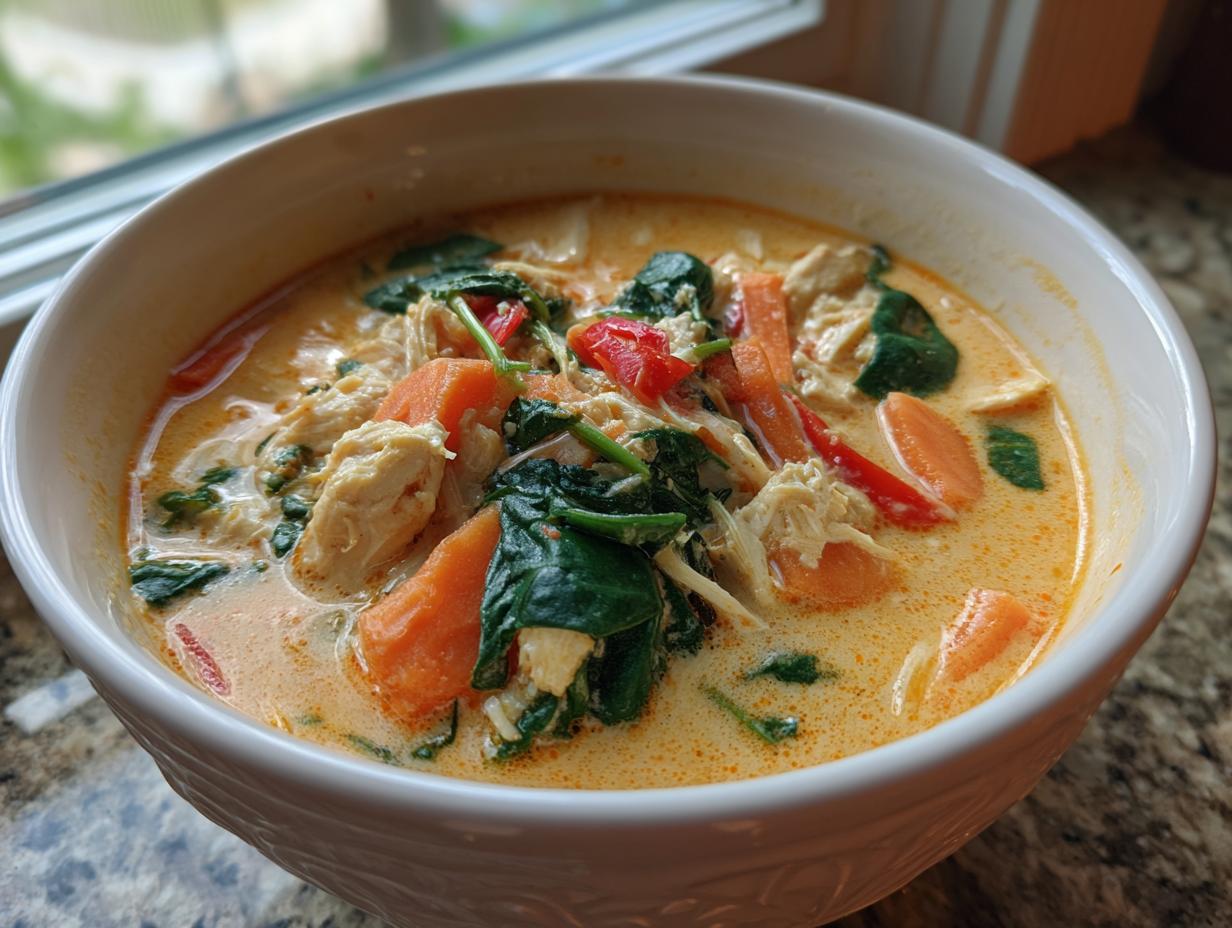
There is just something about a bowl of hot, steamy soup that feels like a hug when the weather cools off, isn’t there? Forget those sad, watery versions you get sometimes. I’m here to share what I genuinely believe is the best coconut curry soup recipe you’ll ever make. This isn’t some fancy, complicated thing you need a trip to the specialty market for, either! We’re keeping this super simple—it’s a flavorful, Thai-inspired dish that cooks up entirely in one pot.
That reliability comes straight from my roots. My life started in a place where food had to be trustworthy and delicious, just like my grandmother’s tried-and-true dishes. This recipe holds that same heart. It delivers bold, aromatic flavor in a creamy base without keeping you chained to the stove. If you need a quick weeknight triumph, get ready for this incredible coconut curry soup!
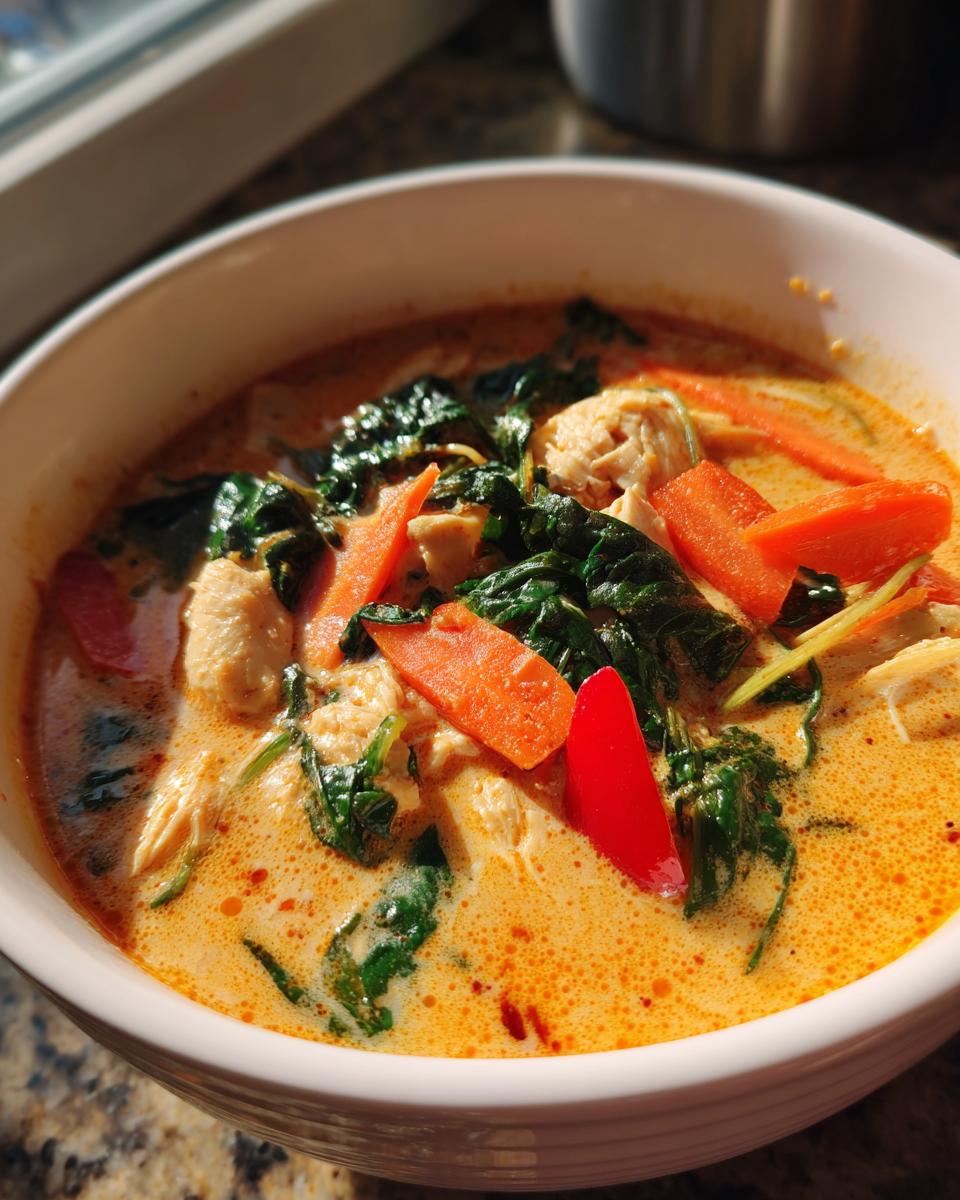
- Why This Quick Coconut Curry Soup is Your New Weeknight Favorite
- Gathering Ingredients for Your Flavorful Coconut Curry Soup
- Step-by-Step Instructions for the One Pot Coconut Curry
- Authentic Touches: Making Your Coconut Curry Soup Like Tom Kha Gai
- Making Your Coconut Curry Soup Hearty: Additions and Variations
- Tips for the Best Creamy Coconut Soup Texture and Spice Level
- Storage and Reheating Your Leftover Coconut Curry Soup
- Frequently Asked Questions About This Easy Curry Soup
- Share Your Coconut Curry Soup Creations
Why This Quick Coconut Curry Soup is Your New Weeknight Favorite
When I say quick, I mean it! My philosophy here at Cookin’ Corner is that amazing flavor shouldn’t equal hours of work. This delicious soup is truly a 30 minute soup recipe—sometimes even faster once you get the hang of it. I’ve worked this recipe over and over again to ensure it’s foolproof for real home cooks.
- Maximum impact, minimum mess.
- Bold, bright Thai flavor without takeout guilt.
- Ready before the kids finish their homework!
You’ll find recipes for tons of great easy dinner ideas, but this one stands out for pure weeknight satisfaction.
Flavor Profile: Authentic Thai Coconut Curry Soup Taste
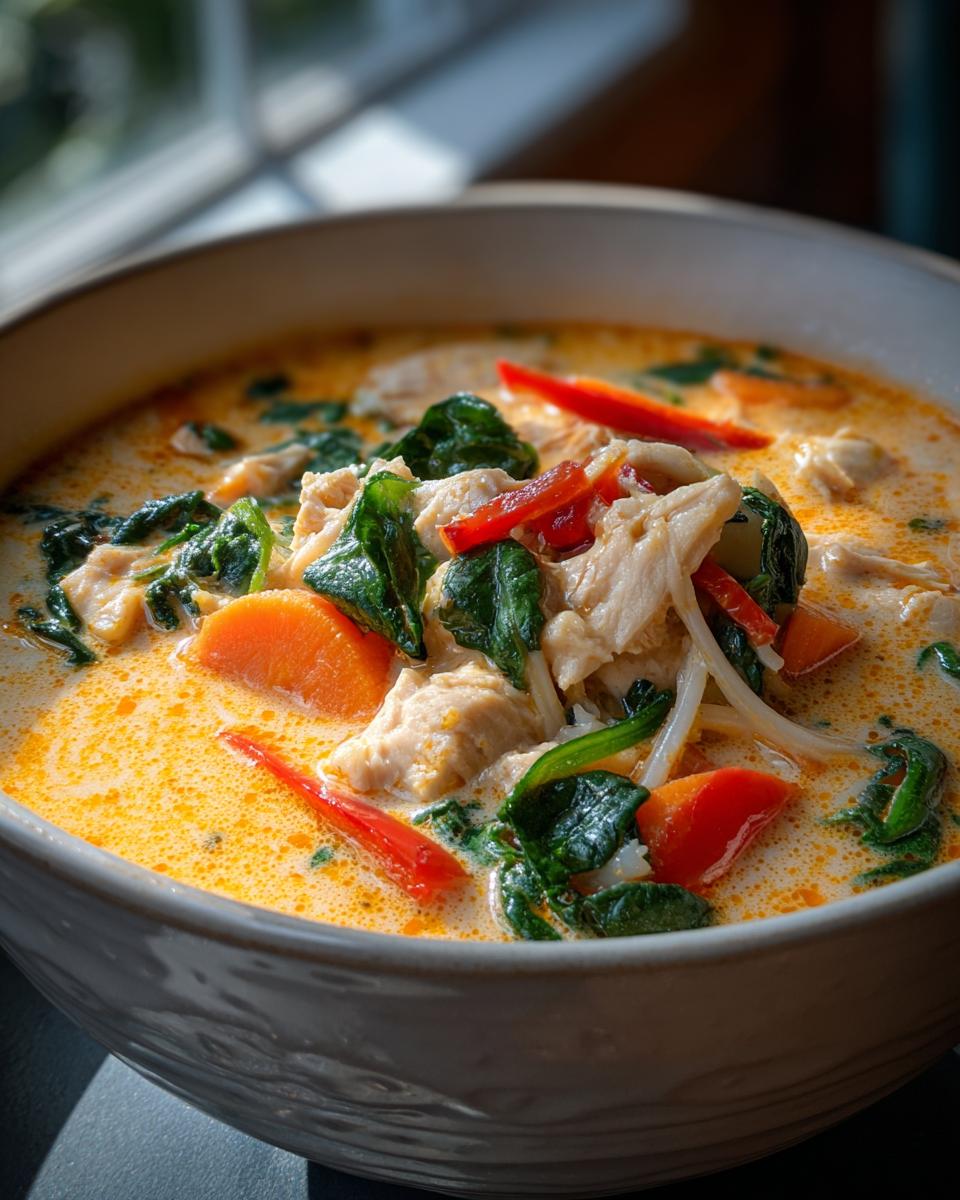
The magic that makes this the best coconut curry soup comes from hitting those key notes: spicy, salty, sweet, and tangy. We rely on full-fat coconut milk, and trust me, don’t try to swap it for light! That richness is essential for that incredible, velvety texture. It turns into a truly creamy coconut soup that coats every vegetable perfectly.
One Pot Simplicity for Quick Weeknight Soup
If you hate dishes, this recipe is your best friend. We do everything right in one big pot—sautéing those fragrant spices, simmering the veggies, and finishing the broth. Seriously, the whole process, from chopping to clearing the table, clocks in at under 35 minutes. That’s why it’s the ultimate quick weeknight soup!
Gathering Ingredients for Your Flavorful Coconut Curry Soup
Okay, the beauty of this coconut curry soup is that the ingredient list looks long, but honestly, most of it is just throwing things into one pot! We build serious flavor fast. You want everything prepped and ready before you even turn on the stove so we can move fast. Feel free to check out my collection of quick and easy recipes for other ways to save time!
Protein Choices for Coconut Curry Soup (Chicken or Tofu)
You have options here, which is why this recipe works for so many people! You can use leftover cooked chicken breast—cubed, of course. Or, if you’re leaning toward a vegetarian coconut curry soup, firm tofu is absolutely perfect. Make sure you press the tofu a bit first so it doesn’t water down your broth too much. For texture, I like cutting the chicken or tofu into nice, even cubes. This keeps the soup feeling hearty and balanced, which is what folks want when they look for a good coconut curry with chicken recipe.
Essential Aromatics for the Thai Coconut Soup Recipe Base
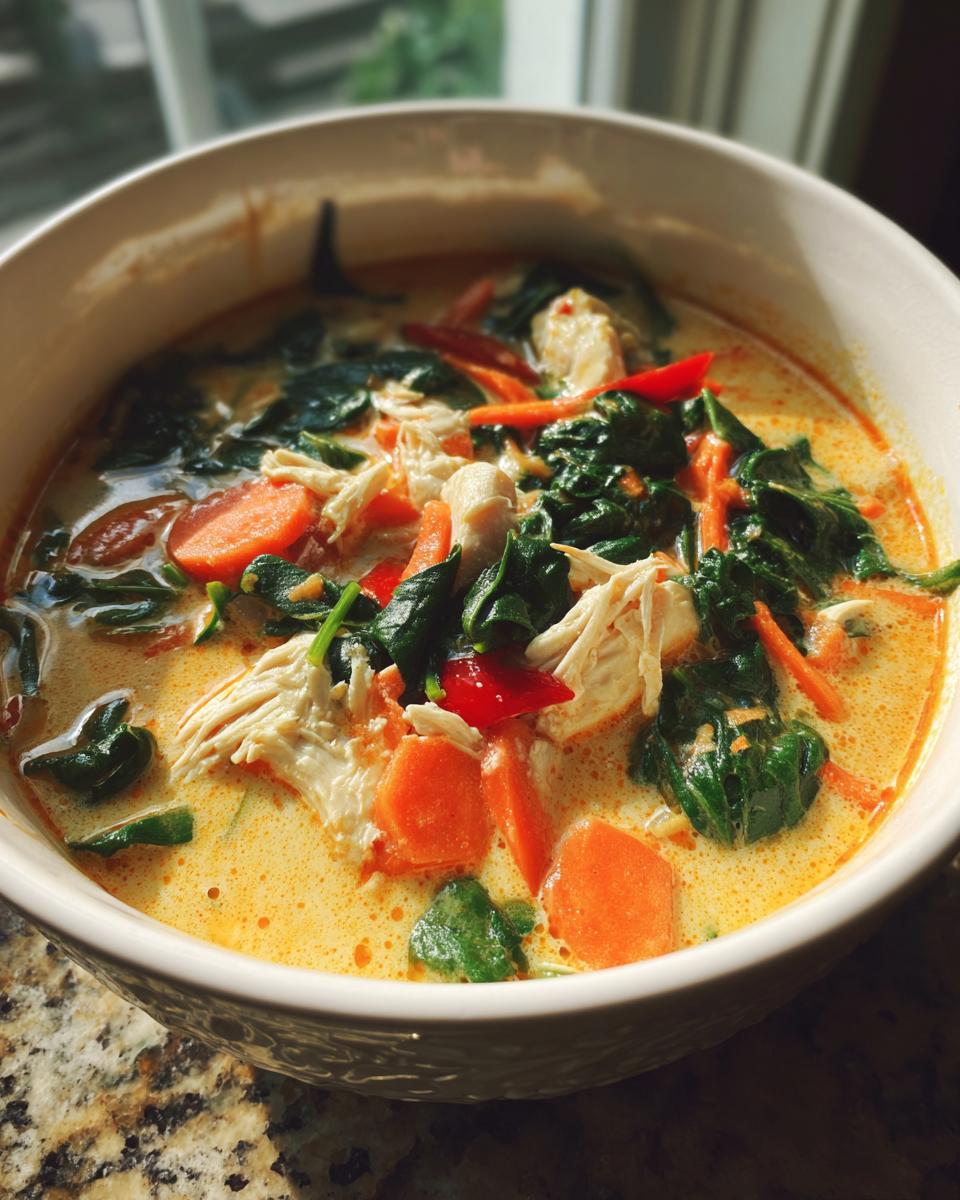
Don’t skimp here; this is where we fake restaurant flavor in minutes! We need yellow onion, diced nice and small. Then, the powerhouse trio: fresh garlic, fresh ginger (please grate this fresh, jarred stuff ruins the zing!), and if you like a little kick, a minced Thai chili or jalapeño. Finally, don’t panic about the red curry paste. Grab the best quality red curry paste you can find at your store. That little bit of paste holds so much complexity—it’s the secret to a truly authentic Thai coconut soup recipe flavor profile!
Step-by-Step Instructions for the One Pot Coconut Curry
Alright, let’s get this show on the road! The best part about this recipe is that you don’t need to make a separate batch of broth or worry about juggling three pans. Everything happens right in your trusty Dutch oven. Remember, cooking is just following fun directions, and these directions lead to amazing flavor. If you’re looking for more great home-cooked meals, check out my favorite healthy recipes while you wait for the onions to soften!
Building the Spicy Coconut Broth Foundation
First things first, get your coconut oil warm over medium heat. We don’t want it smoking, just nice and slick. Toss in your diced onion and let those babies soften up—about five minutes. Now for the smell-good stuff: garlic, ginger, and that chili if you’re brave! Cook that for just one minute until you can really smell it waking up your kitchen. Then, here is the tip that makes all the difference for a truly flavorful soup idea: stir in the red curry paste and let it cook for a full minute while stirring constantly. This “blooming” step toasts the spices in the oil and deepens the whole profile for your spicy coconut broth.
Simmering Vegetables and Protein in the Coconut Curry Soup
Once the paste is fragrant, splash in that coconut milk and the broth—say hello to your base! Add your soy sauce and a tiny pinch of brown sugar to balance things out. Drop in the mushrooms and carrots next. Let those simmer gently for about eight minutes until the carrots give a little when poked. We don’t want them mushy! After that, toss in your pre-cooked chicken or tofu and the peppers for just three more minutes so they just warm through. Remember, the spinach goes in last—literally just toss it in right before you turn the heat off. You stir until it wilts, splash in the lime juice, and you’re done. Seriously, that’s it!
Authentic Touches: Making Your Coconut Curry Soup Like Tom Kha Gai
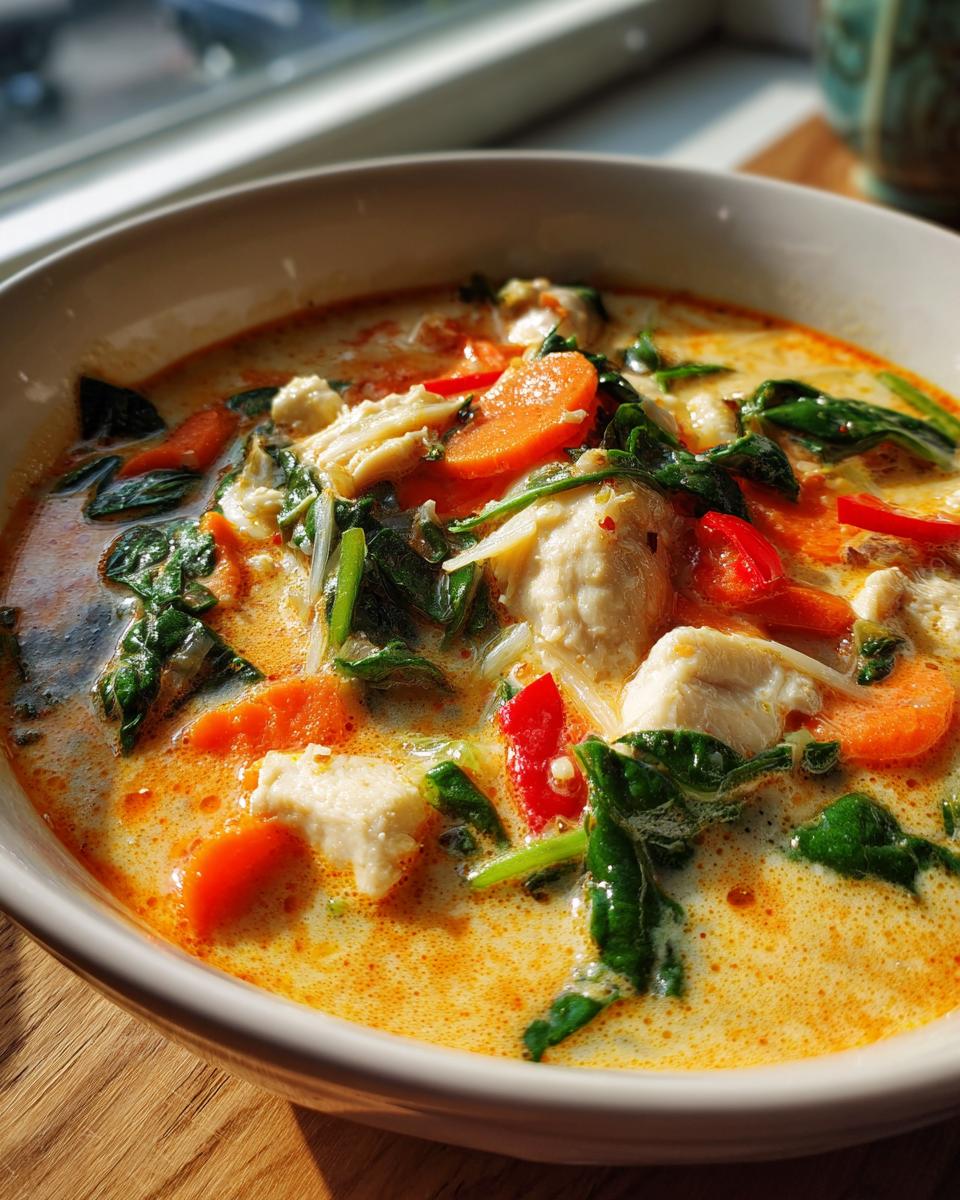
So, you had a great, quick dinner and you have leftovers. That’s fantastic! But maybe you’re feeling extra adventurous next time, or maybe you really want that specific tart, fragrant flavor you get in a true Tom Kha Gai recipe. While our main recipe is designed for speed, we can absolutely sneak in a few of those authentic Thai elements that just elevate everything.
This is where we build trust with the recipe—it shows we aren’t just throwing random ingredients together; we understand the traditional profile. If you want to dive deeper into the history of the real Tom Kha Gai, I highly recommend taking a look at this great resource I found for authentic Thai flavor profiles right here. It’s amazing how much depth you can get from such a short ingredient list.
To get closer to that traditional Thai coconut soup recipe vibe, you need to look for lemongrass and kaffir lime leaves. Yes, they require a little sourcing, but they completely transform the broth.
Adding Lemongrass and Kaffir Lime Leaves for Depth
If you can find them fresh, awesome! If not, sometimes frozen works in a pinch. For the lemongrass, you don’t chop it up finely, oh no. You take a couple of stalks, slice off the very dry top, and then you bruise them hard with the back of a heavy knife—think of it like tenderizing meat! That pressure releases those incredible oils.
For the kaffir lime leaves, just tear them slightly in half before dropping them in. You can add both the bruised lemongrass and the leaves right when you add your broth and coconut milk (Step 5 in the instructions). Let them steep while everything simmers. They perfume the entire pot. Just make sure you fish them out before you serve the soup because nobody wants to bite into a tough leaf!
Why Lime Juice Alone Isn’t Enough for the Authentic Tang
We finish our standard coconut curry soup with fresh lime juice, and that’s essential for balancing the creaminess. But if you are going for that true Southeast Asian brightness, those kaffir lime leaves provide a totally different, almost floral citrus note that the lime juice just can’t replicate on its own. It’s subtle, but if you love what you are tasting, this is the next step for you. It’s a favorite modification, right up there with my other favorite comfort meal, the Chicken Gnocchi Soup, because both rely on a perfectly balanced liquid base.
Making Your Coconut Curry Soup Hearty: Additions and Variations
Sometimes you don’t just want soup for a light meal; you want it to be the main event, right? A phenomenal coconut curry soup deserves to be a filling meal, especially if you’re making this on a chilly night when you need something substantial. That’s why I love how adaptable this recipe is. If you’re looking for more cozy meal inspiration, you should check out my recipe for potato dumplings—that same comfort factor is in this soup!
Serving Coconut Curry Soup with Noodles or Dumplings
If you want to turn this into a truly satisfying bowl, adding something starchy is the way to go. People absolutely love turning this into a style of soup with dumplings, and that’s a brilliant move for a cozy dinner. Whether you’re using frozen potstickers or wontons like you see all over social media, or if you’re adding in some cooked ramen noodles, the timing matters!
Here’s my big tip: never put raw noodles or frozen dumplings into the pot to cook the whole time. They will absorb all your liquid and turn into a mushy mess! Instead, cook those noodles or dumplings separately according to their package directions. Then, once your soup is totally finished—the very last step before you ladle it out—toss in the cooked components right into the serving bowl, or just let them simmer in the pot for about 60 seconds maximum to heat through. This keeps the broth clear and the noodles perfectly chewy!
Creating a Vegetarian Coconut Curry Soup Version
I know so many of you are looking for fantastic vegetarian coconut curry soup options that don’t taste like they were missing something, and honestly, this recipe takes that swap seamlessly. If you skip the chicken breast, you just need two simple changes. First, swap out the chicken broth for good quality vegetable broth. That’s the easiest swap in the world!
Second, for protein, I highly recommend using extra-firm tofu, pressed and cubed like we talked about earlier. If you want even more heartiness, instead of tofu, toss in a can of chickpeas or even some steamed lentils right when you add the carrots. Because the base flavor from the curry paste and coconut milk is so strong and vibrant, you never feel like you’re missing the meat. It’s still packed with that intense flavor that makes this an amazing healthy curry soup!
Tips for the Best Creamy Coconut Soup Texture and Spice Level
We’ve covered speed and flavor delivery, but now we need to talk about the *feel* of the soup. When you’re making a creamy coconut soup, texture is just as important as taste! We want that rich, tongue-coating sensation that makes you close your eyes when you take a spoonful. As a home cook who tests things repeatedly, I’ve learned a few non-negotiable rules about the fat content and the spice that keep this recipe delicious and reliable every single time.
If you’re also a fan of really satisfying, texture-rich comfort foods, you have to check out my Smothered Chicken and Rice Casserole—it’s all about that creamy payoff!
Don’t Skimp on the Full-Fat Coconut Milk
This is probably my biggest piece of expert advice for this coconut curry soup. You absolutely must use the full-fat canned coconut milk. I know the light version seems healthier, and maybe it is on paper, but it absolutely will not give you the right mouthfeel here.
Light coconut milk gets thin and watery once it hits the broth, and it doesn’t thicken properly, no matter how long you simmer it. Full-fat milk has the necessary fat content that emulsifies slightly with the curry paste and oil, creating that luxurious, velvety hug we are aiming for. It might have more calories, but it delivers the signature texture of these amazing Asian soup recipes, and that’s worth it!
Mastering the Heat: Curry Paste vs. Fresh Chili
When dealing with a spicy coconut broth, it’s smart to know where your heat is coming from so you can control it. We use two sources here: the red curry paste and the optional minced fresh chili. Since different brands of red curry paste have wildly different heat levels, you should always start conservatively with the paste—maybe start with just one generous tablespoon instead of the full two.
The fresh chili or jalapeño is much more predictable. It gives you a sharper, brighter heat. If you like it mild, skip the fresh chili altogether and just rely on the paste. If you want it truly fiery—like the kind of heat that makes you sweat just a little—add the full chili *and* use a hotter brand of curry paste. Since you add the paste first and let it toast, you can really gauge the base heat before adding all that liquid.
Preventing the Soup from Breaking or Separating
Sometimes when you mix fat (coconut milk) with water/broth, it looks like it separates into streaks of white and clear liquid. It’s not ruined, but it’s not pretty! This usually happens if you boil the coconut milk too rapidly.
My trick is to always bring the broth and coconut milk mixture up to a *gentle simmer*—think small, lazy bubbles, not a rolling boil. Once the heat is down, you incorporate the vegetables, which keeps the temperature even. Also, stirring in the lime juice right at the very end, *after* you’ve taken the pot off the heat, helps keep that creamy emulsion stable right until it hits your bowl. Taking these little precautions ensures you get that perfect, homogenous, creamy coconut soup every time.
Storage and Reheating Your Leftover Coconut Curry Soup
Oh, this is one of the greatest gifts of making soup: leftovers! This coconut curry soup tastes even better the next day once all those fragrant spices have had time to really mingle and deepen their flavor overnight. I often make a double batch just so I have something guaranteed delicious on hand for lunch the next day. If you enjoy making big batches of comforting meals, you might also want to check out my recipe for slow cooker chicken noodle soup.
Storing it in the fridge is super straightforward, but you do have to be mindful of any additions you made, like if you tossed in ramen or fresh cilantro.
Best Way to Store Your Leftover Soup
For the very best texture and flavor when reheating, I always recommend storing the soup base (the broth, veggies, chicken/tofu) separately from any additions. If you added noodles, rice, or dumplings the night before, they tend to get overly soft and expand in the liquid overnight, which changes the whole experience.
Cool the soup completely before you store it. Seriously, don’t put a huge hot pot right into the fridge; it can mess with your fridge temperature! Once cooled, transfer the soup into airtight containers. It lasts beautifully in the refrigerator for about three to four days. It’s so handy to have these quick bowls ready to go after a busy day!
Reheating for the Best Creamy Coconut Soup Experience
You have two main avenues for reheating, depending on how quickly you need your creamy coconut soup fix. The stovetop is usually my preference because you have better control over the heat.
- Stovetop Method: Pour the amount you want into a small saucepan and reheat slowly over medium-low heat. Stir it often to prevent the coconut solids from sticking to the bottom of the pan. You only need to bring it up to a gentle simmer; don’t let it boil hard!
- Microwave Method: This is faster, of course. Just place the soup in a microwave-safe bowl and heat in 60-second bursts, stirring in between.
If you added the lime juice the first time around, give it a quick taste when reheating. Sometimes the brightness mellows out in the fridge, so you might want to squeeze in just a tiny drop of fresh lime juice right before serving to wake everything back up.
Can This Coconut Curry Soup Be Frozen?
Yes, absolutely! This recipe freezes like a dream, which is perfect for meal prepping when you have a lot of time on the weekend. The notes mentioned it freezes well, and I confirm that! For the best results, leave out the spinach, lime juice, and any added starch (like pre-cooked noodles) before freezing.
Cool the soup completely, then portion it into freezer-safe containers or heavy-duty zip-top bags, leaving about an inch of headspace for expansion. It keeps for up to three months. When you’re ready to eat, thaw it overnight in the fridge, then reheat as directed above. Remember to add your fresh spinach and that squeeze of lime at the very end after it’s heated through!
Frequently Asked Questions About This Easy Curry Soup
Whenever I release a recipe that’s this popular, I always get flooded with the same brilliant questions! That’s totally normal, because we all want to make sure our dinner works out perfectly on the first try. Because this is such a flavorful soup idea, people often wonder about adapting it for their routine or dietary needs. I’ve rounded up the most common things I hear from readers looking to customize their coconut curry soup.
You can find more tips on my other favorite weeknight meals over at my Chicken Taco Soup post, too!
Can I make this coconut curry soup ahead of time?
Oh, absolutely yes! In fact, if you want the absolute best, most mature flavor for this easy curry soup, I suggest making it the day before. When you let it chill overnight, the ginger, garlic, and curry paste really marry together, giving you a deeper, richer taste that is just wonderful. It’s one of those meals that tastes better as leftovers!
As I mentioned before, if you know you won’t eat it all within three or four days, go ahead and freeze it. Just be sure to skip adding in the fresh spinach and the lime juice until you reheat it later. That way, everything stays bright and fresh when you’re ready to enjoy! It’s a fantastic fall comfort soup to have waiting for you.
How do I adjust the spice level in this Asian soup recipe?
Handling the heat is all about understanding where the spice lives in the recipe, and honestly, it’s your call entirely! This is where we make sure it fits whether you need a mild, healthy curry soup or something that truly clears your sinuses.
Remember, we have two main heat contributors: the fresh chili (or jalapeño) and the red curry paste. The fresh chili gives a sharp, sharp kick right away. If you want low heat, just omit the fresh chili entirely. The curry paste, however, dissolves into the broth, creating background warmth.
If you want it milder, use only 1 tablespoon of the curry paste instead of 2, and add a tiny splash more broth if you feel the flavor is too weak. If you want it spicy, go ahead and use the full amount of chili *and* the full amount of curry paste—maybe even add a dash of chili oil right at the end! I always recommend starting low, tasting after the broth simmers, and then adding more paste if you can handle it.
Can I make this a lower-fat or healthier curry soup?
I totally get the desire to lighten things up sometimes! If you are aiming for a strictly lower-fat version of this coconut curry soup, the number one thing people ask about is swapping out the coconut milk. While I scream from the rooftops that full-fat is best for texture, you *can* use the light version if you have to. Just know that the soup won’t be as thick or luxurious.
To combat the thinness, you can thicken it slightly with a slurry of cornstarch and water right at the end, or just add more vegetables that break down a bit, like sweet potato, which release starch naturally. Also, remember how I mentioned using vegetable broth is a great option for making it vegetarian coconut curry soup? Choosing low-sodium broth is another simple step toward making this an even more healthy curry soup option!
Share Your Coconut Curry Soup Creations
Now that you’ve whipped up this incredible one-pot coconut curry soup and filled your kitchen with those amazing Thai aromas, I want to see what you created! Seriously, there is nothing I love more than hearing from you all about how a recipe worked out in your own kitchen. This is where the Cookin’ Corner community truly shines.
If you loved this quick weeknight magic, please be a sweetheart and leave a rating for the recipe right below! Five stars mean the world to me and let other home cooks know this recipe is reliable and delicious. You can also drop a comment and tell me what you added—did you go for the ramen noodles? Did you try making this a fall comfort soup with pumpkin? Spill the beans!
And while you’re showing off that gorgeous bowl of creamy coconut soup, snap a picture! Tag me on social media so I can share your delicious work on my feed. Connecting with you all is why I started this site, so please reach out if you have any questions or just want to say hello; you can always reach me through the contact page!
PrintQuick One-Pot Thai Coconut Curry Soup

Make this flavorful, creamy coconut curry soup in one pot for a fast weeknight dinner. This recipe captures the aromatic taste of Thai cuisine and is easy to customize.
- Prep Time: 15 min
- Cook Time: 20 min
- Total Time: 35 min
- Yield: 4 servings 1x
- Category: Dinner
- Method: Stovetop
- Cuisine: Thai
- Diet: Low Fat
Ingredients
- 1 tablespoon coconut oil
- 1 yellow onion, diced
- 3 cloves garlic, minced
- 2 teaspoons fresh ginger, grated
- 1 red Thai chili or 1/2 jalapeño, minced (optional for spice)
- 2 tablespoons red curry paste
- 1 (13.5 ounce) can full-fat coconut milk
- 4 cups chicken or vegetable broth
- 1 tablespoon soy sauce or tamari
- 1 teaspoon brown sugar
- 1 cup sliced mushrooms
- 1 cup chopped carrots
- 1 cup chopped bell pepper
- 1 cup cooked chicken breast or firm tofu, cubed
- 1 cup fresh spinach
- Juice of 1 lime
- Fresh cilantro, chopped, for garnish
- Cooked ramen noodles or rice, for serving (optional)
Instructions
- Heat the coconut oil in a large pot or Dutch oven over medium heat.
- Add the diced onion and cook until softened, about 5 minutes.
- Add the minced garlic, grated ginger, and minced chili (if using). Cook for 1 minute until fragrant.
- Stir in the red curry paste and cook for 1 minute, stirring constantly to toast the spices.
- Pour in the coconut milk and broth. Add the soy sauce and brown sugar. Bring the mixture to a gentle simmer.
- Add the mushrooms and carrots. Cook for 8 minutes, or until the carrots begin to soften.
- Add the bell pepper and your choice of cooked chicken or tofu. Simmer for 3 more minutes to heat through.
- Stir in the fresh spinach until it wilts completely. Remove the pot from the heat.
- Stir in the fresh lime juice. Taste and adjust seasoning if needed.
- Ladle the coconut curry soup into bowls. Serve immediately, garnished with fresh cilantro. Add ramen noodles or rice to the bowls if desired.
Notes
- For a vegetarian coconut curry soup, skip the chicken and use vegetable broth and tofu or chickpeas as the protein source.
- If you want a richer, more authentic Tom Kha Gai flavor, add 2 bruised stalks of lemongrass and 4 kaffir lime leaves when simmering the broth, removing them before serving.
- This soup freezes well; cool completely before transferring to an airtight container.
Nutrition
- Serving Size: 1.5 cups
- Calories: 350
- Sugar: 7
- Sodium: 650
- Fat: 25
- Saturated Fat: 20
- Unsaturated Fat: 5
- Trans Fat: 0
- Carbohydrates: 20
- Fiber: 4
- Protein: 15
- Cholesterol: 45