

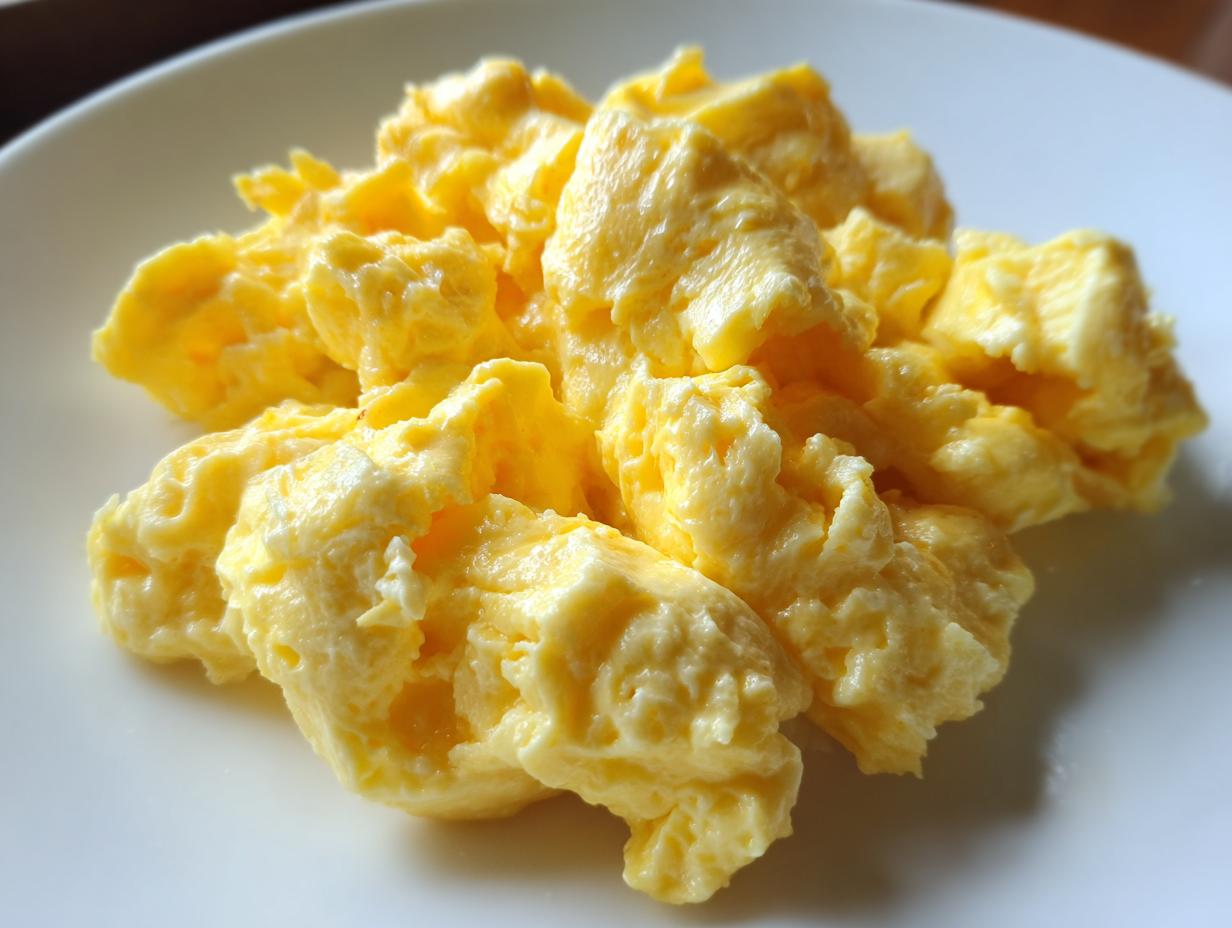
You know what just ruins a perfectly good morning? A plate of dry, rubbery scrambled eggs. I swear, it’s the simplest breakfast, yet so many people mess it up! If you’ve ever been disappointed by eggs that turn into little, tough pebbles, you’ve come to the right spot. Here at Cookin’ Corner, we believe mastering the classics is the cornerstone of real home cooking heritage. That’s why I’m sharing my foolproof low-and-slow technique that guarantees your scrambled eggs will be unbelievably fluffy and creamy every single time. Forget everything you thought you knew; let’s make some seriously velvety eggs!
- Why Our Low-and-Slow Scrambled Eggs Are the Best Scrambled Eggs Ever
- Ingredients for the Ultimate Creamy Egg Recipe
- How to Prepare Perfect Eggs Every Time: Step-by-Step Instructions for Scrambled Eggs
- Expert Tips for Making Velvety Eggs Tutorial
- Elevating Your Scrambled Eggs: Gourmet Brunch Ideas and Chef Methods
- Storage and Reheating Instructions for Leftover Scrambled Eggs
- Quick Morning Meals Pairing Suggestions
- Frequently Asked Questions About Making Scrambled Eggs
- Nutritional Estimates for These Creamy Scrambled Eggs
Why Our Low-and-Slow Scrambled Eggs Are the Best Scrambled Eggs Ever
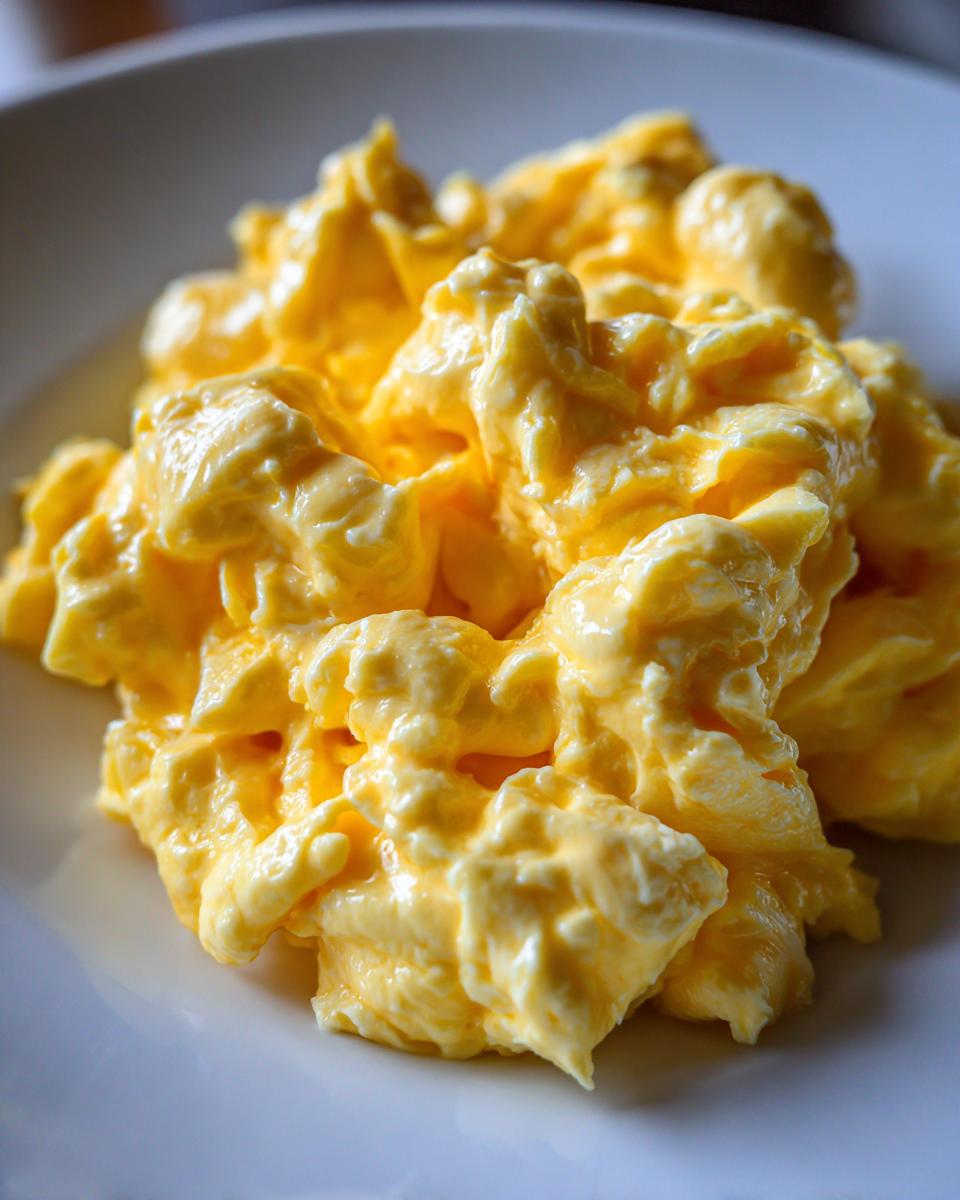
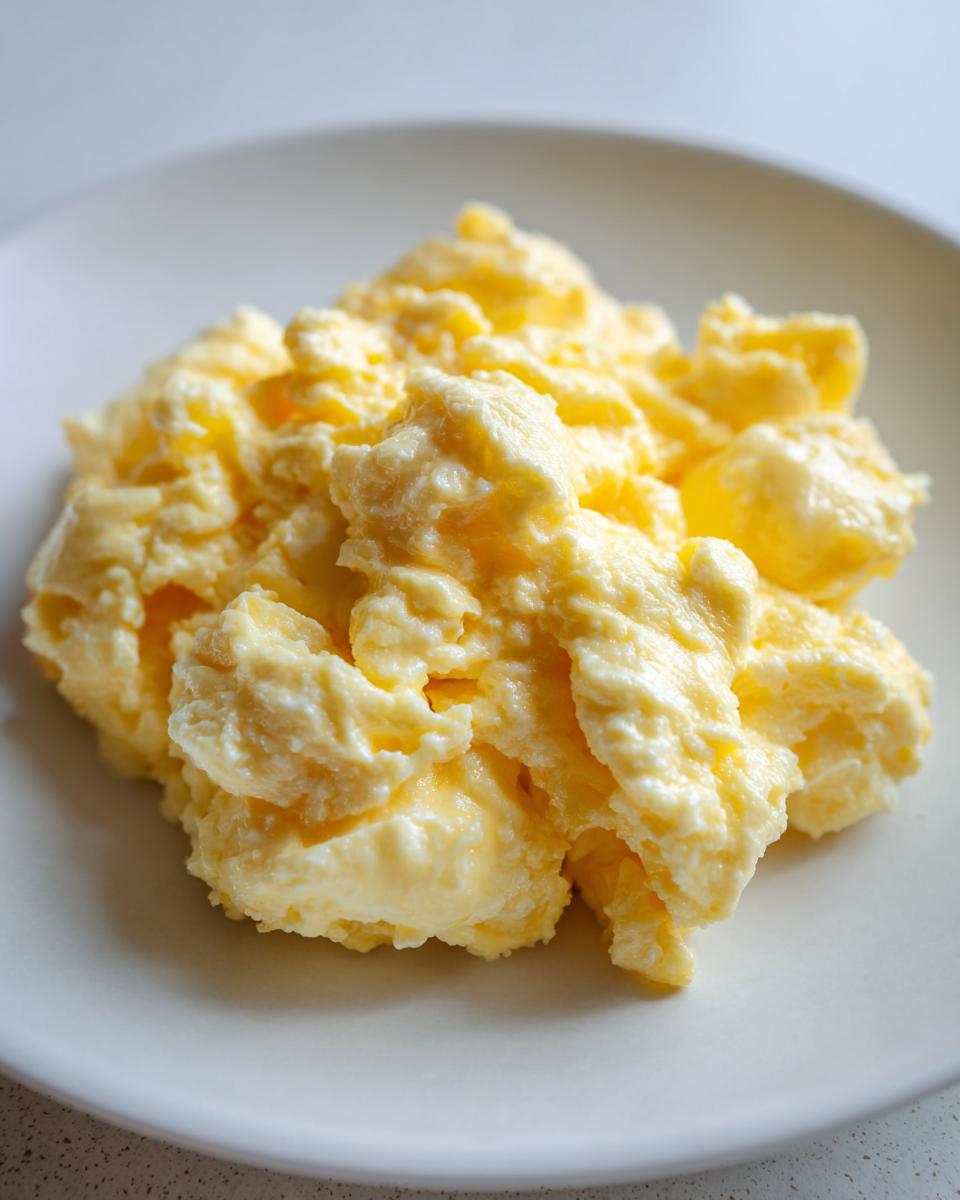
Look, high heat is the enemy of tender eggs. When you blast eggs on high heat, the proteins tighten up way too fast, squeezing out all the moisture until you’re left with those sad, dry little chunks. That’s not what we’re after! We want large, soft curds that feel luxurious and melt in your mouth. That’s the difference between a standard plate and what I guarantee will be the best scrambled eggs ever.
By keeping the heat low—I mean really low—we give the eggs time to cook gently. This process develops that incredible, velvety texture we obsess over. It turns simple scrambled eggs into something genuinely special. This method is all about patience, which pays off big time by dinnertime!
Achieving the Fluffy Egg Technique: The Science of Gentle Heat
The key to that enviable fluffiness is keeping everything moving slowly. When the heat is low, the egg molecules don’t seize up all at once. Plus, adding that little bit of heavy cream or whole milk does more than just add richness; it introduces fat and moisture that coats those proteins. This barrier helps slow down the cooking, keeping the air bubbles you incorporate during the whisking trapped inside. It’s the secret to a truly satisfying fluffy egg technique!
Ingredients for the Ultimate Creamy Egg Recipe
For the best scrambled eggs, you don’t need a huge shopping list! Precision here is important, though, because these simple ingredients are what make the creamy texture happen. Trust me on using the good stuff for the dairy, because it makes a world of difference!
- 6 large eggs
- 2 tablespoons heavy cream (or whole milk)
- 1 tablespoon unsalted butter
- 1/4 teaspoon salt
- Pinch of black pepper
Ingredient Notes and Flavor Variations
If you don’t have heavy cream on hand, whole milk works, but the cream gives you that truly luxurious, velvety result that makes this such a wonderful creamy egg recipe. If you want a little bit of tang—the secret some chefs use—sub out the cream for two tablespoons of room-temperature cream cheese. Just break it up into the eggs before you whisk!
Also, if you’re looking for a serious boost of protein but still want that fluffiness, try mixing in about half a cup of cottage cheese with the eggs before whisking. It seems wild, but when cooked low and slow, it blends right in and creates these incredibly moist pockets. That’s a fantastic way to make a high protein breakfast!
How to Prepare Perfect Eggs Every Time: Step-by-Step Instructions for Scrambled Eggs
This is where the magic—and the patience—comes in! If you follow these steps exactly, you’ll see why people rave about these soft, restaurant-quality scrambled eggs. Remember, we want to coax these eggs into cooking beautifully, not shock them into submission. We’re aiming for that ideal texture so they qualify as the perfect eggs every time.
- In a medium bowl, whisk the eggs and heavy cream together until the mixture is uniform and slightly frothy. Add the salt and pepper. Do not over-whisk; you want some air incorporated for fluffiness.
- Place a non-stick skillet over medium-low heat. Add the butter and let it melt completely until it foams slightly. That slight foam tells you the pan is ready!
- Pour the egg mixture into the skillet. Let the eggs sit undisturbed for about 30 seconds until the edges just begin to set—don’t poke them yet!
- Using a heat-resistant rubber spatula, gently push the cooked egg from the edge toward the center, tilting the pan so the uncooked egg flows underneath.
- Continue this slow pushing and folding motion. Keep the heat low; this is the absolute key to achieving those large, soft curds instead of tiny, dry pieces.
- When the eggs are mostly set but still look slightly wet and glossy (this is the secret cue for creaminess!), remove the pan from the heat immediately. The residual heat will finish cooking them right on the plate.
- Serve the creamy scrambled eggs right away on toast or as part of your favorite scrambled eggs breakfast!
Mastering the Gentle Fold for Velvety Eggs Tutorial
The folding technique is what makes a big difference between sad clumps and that gorgeous, velvety texture. Don’t scramble them like you’re beating paint! Instead, use your spatula to gently cut across the bottom of the setting eggs, maybe about a quarter of the way across the pan. Then, gently lift that cooked section and roll or fold it over the molten center underneath. Tilt the pan slightly so that beautiful liquid egg rushes out underneath the larger fold you just made.
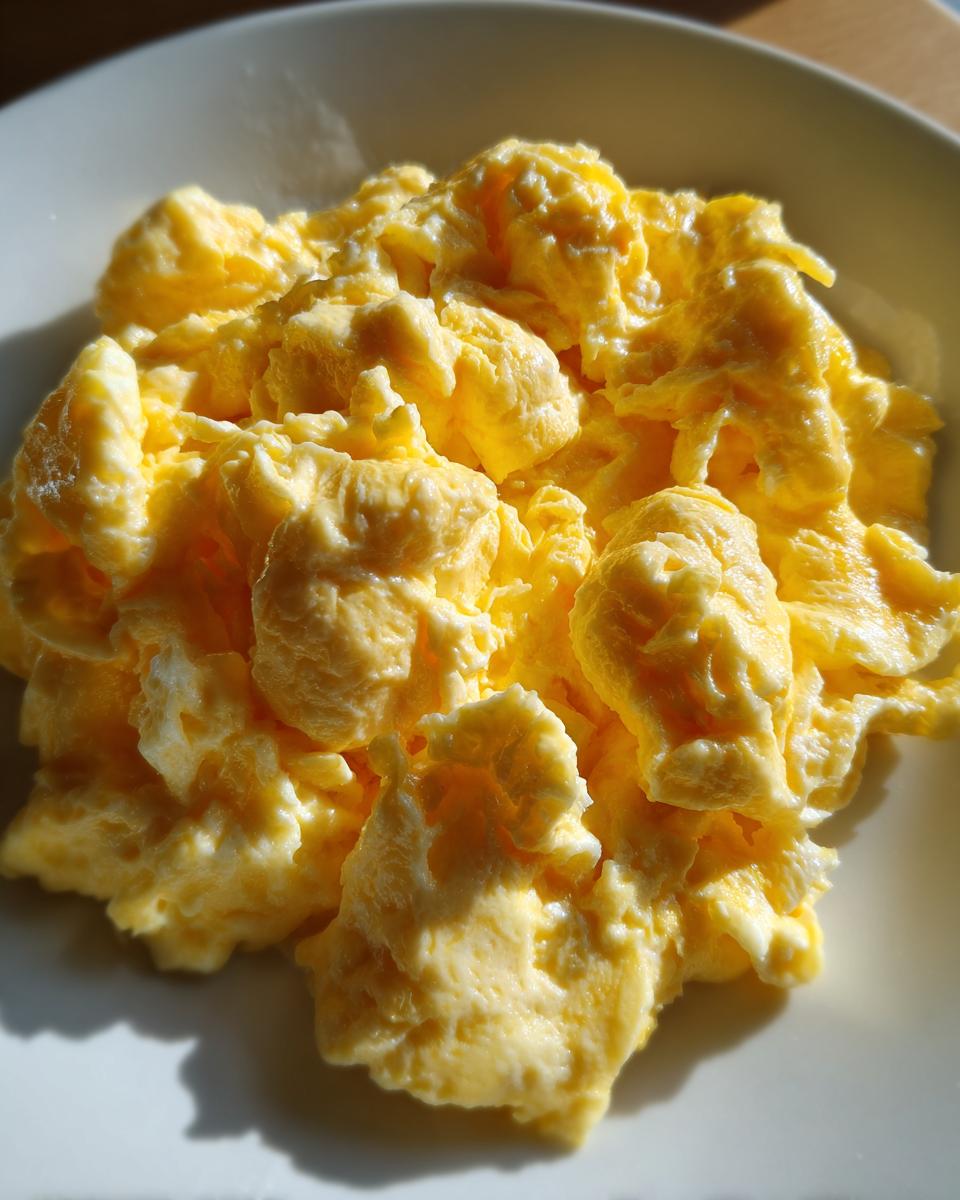
This folding action naturally stops the eggs from breaking down into too many little pieces. It encourages the formation of soft, substantial sheets that eventually break down into large, dreamy curds. It takes practice, sure, but once you get the hang of this gentle fold, you’ve unlocked the secret to truly velvety eggs tutorial.
Expert Tips for Making Velvety Eggs Tutorial
I’ve told you my core, low-and-slow method, but trust me, the small details are what elevate these from just good to absolutely phenomenal. Even when aiming for those silky soft eggs, sometimes one tiny mistake can throw off the whole texture. Here are a few things I learned over the years that make sure my eggs are perfect, regardless of my mood!
First and foremost, you absolutely need a good non-stick pan—and I mean *good*. If your pan has even one tiny scratch or a spot where things tend to stick, the eggs will grab hold there when they start to set. That means jerky pulling instead of smooth folding, and suddenly, your beautiful curds are ragged and overcooked. Dedicate one of your best pans just for eggs, okay? It’s worth protecting your investment for these moments!
Next, let’s talk salt! Most folks salt their eggs right when they whisk them, but I actually wait until right before they go into the pan, or even after I take them off the heat. Salt is a magnet for moisture. If you salt too early, it starts drawing the liquid out of the eggs before they even hit the butter, which works against our whole fluffy goal. A tiny pinch goes in with the whisking for flavoring, but the main seasoning happens at the very end.
And finally, pay attention to your spatula! Having a heat-resistant rubber spatula is non-negotiable for this technique. Plastic or metal spatulas tend to scrape the bottom of the pan too aggressively, which shreds the delicate curds we’re trying to form. You want a soft edge that can gently nudge and fold the developing egg layers. It keeps everything looking soft and beautiful, which helps immensely when you’re trying to create those fantastic, silky soft eggs.
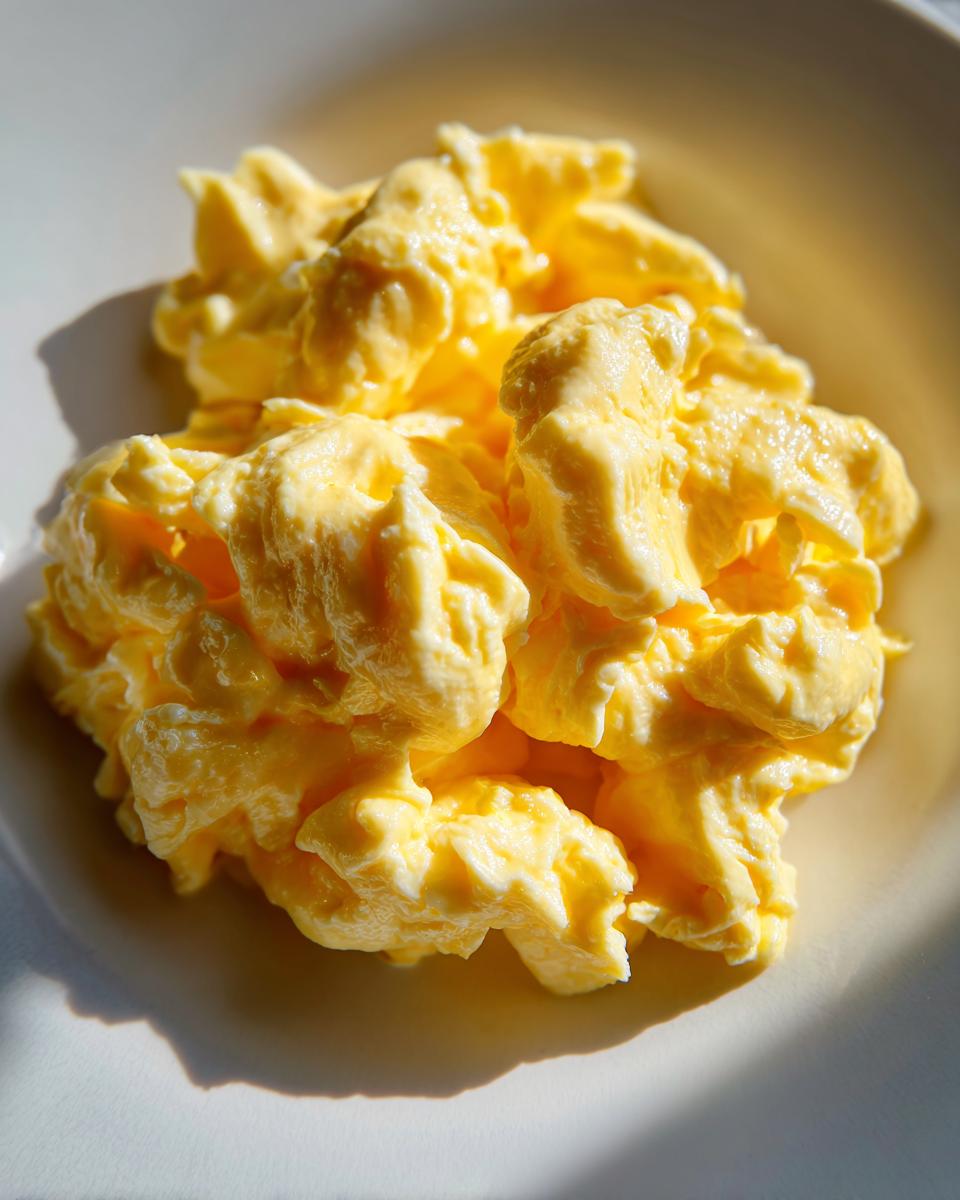
If you’re looking for more ways to perfect your morning routine, check out these simple egg cooking tips for other techniques!
Elevating Your Scrambled Eggs: Gourmet Brunch Ideas and Chef Methods
Okay, so you’ve mastered my low-and-slow technique for what I genuinely think are the best scrambled eggs ever—creamy, fluffy, done! But maybe you want to push those breakfast boundaries a little for the weekend? This is where we dip our toes into chef territory for some truly gourmet brunch ideas.
If you’ve ever heard about the Gordon Ramsay egg method, that’s a totally different approach designed for maximum silkiness. His technique involves putting the pan on and off the heat constantly—maybe 30 seconds on low, then 30 seconds off the heat—while stirring vigorously with a spatula the entire time. It’s much more hands-on than my method, but it results in egg curds that are almost custard-like. It’s definitely worth trying if you want a different style of scrambled eggs.
And of course, we can’t forget cheese! Nothing turns this classic into a decadent treat faster than some good cheddar. If you wait until the eggs are about 90% done—still a little wet—toss in about a quarter cup of sharp cheddar. The heat left in the pan is enough to melt it perfectly into those soft curds. That’s how you nail those cheesy egg recipes for a fantastic, comforting meal!
Storage and Reheating Instructions for Leftover Scrambled Eggs
Now, I have to be honest with you—the absolute best way to enjoy these glorious, creamy scrambled eggs is fresh off the pan. Truly, they are a masterpiece when served immediately! Leftovers are tricky because eggs tend to dry out fast once they cool down, but if you’ve got extras, don’t toss them!
Store any leftovers in a small, airtight container. I wouldn’t keep them for more than two days in the fridge; they really start to change texture after that. When it’s time for round two, resist the urge to microwave them on high. That’s a recipe for destroying that lovely velvety texture we worked so hard for!
For reheating, put your portion of scrambled eggs in a non-stick skillet over the lowest heat setting. Add just a tiny splash—maybe a teaspoon—of milk or water. Gently fold them until they are warmed through and glossy again. It seems minor, but that little bit of liquid helps reintroduce steam and moisture, saving your leftovers from becoming sad, flat disks!
Quick Morning Meals Pairing Suggestions
The beauty of having incredibly creamy, rich scrambled eggs is that they are already the star of the show. You don’t have to overcomplicate your plate, especially if you’re whipping these up as one of those rush-hour quick morning meals. When your eggs are this velvety, you need things around them that provide texture contrast.
My absolute favorite way to serve them is with something crisp. Think thick slices of toasted sourdough—get that crust really crunching! The soft egg just sinks beautifully into the toasted surface. If I have an extra five minutes on a weekend morning, I’ll pair them with perfectly seasoned breakfast potatoes or hash browns. That contrast between the soft, warm egg and the crispy outside of the potato is just heavenly.
For a slightly more refined feel, try laying them next to a few slices of smoked salmon. The salty richness of the fish plays so well with the mild creaminess of the eggs. If you’re going for those easy breakfast recipes during the week, just a sprinkle of fresh chives or parsley on top of the finished eggs makes them look professional without adding any real effort. It just brightens up the whole plate!
Frequently Asked Questions About Making Scrambled Eggs
I know you might still have a few burning questions, especially if you’re trying to nail that perfect texture for your next meal. It takes a little practice, but these little tips should clear up anything holding you back from having the perfect eggs every time. Here are some of the questions I get asked most often about making fantastic scrambled eggs.
What is the secret to fluffy scrambled eggs?
The absolute biggest secret for getting those fluffy scrambled eggs that make such a great quick morning meal is twofold: gentle heat and not over-whisking! You want to mix just until the yolks and whites are combined and slightly frothy—you’re incorporating air, but you don’t want to beat the life out of them. Then, keep that stove setting on medium-low and cook them slowly. That slow cook traps the air and moisture, resulting in cloud-like texture.
Can I use water instead of heavy cream?
You certainly *can* use water, but I wouldn’t recommend it if your main goal is that rich, creamy texture! Water will still cook the eggs, but it won’t add the necessary fat to achieve that truly velvety mouthfeel. If you must substitute the cream, use whole milk first. Water tends to make the eggs steam a bit more, which really works against our fluffy egg technique goal.
How can I make high protein breakfast scrambled eggs without losing creaminess?
This is where our cottage cheese trick comes in handy! As I mentioned earlier, mixing in some full-fat cottage cheese before cooking is incredible for a high protein breakfast boost. Because the cheese melts into the eggs while cooking slowly, it adds protein without adding any rubberiness. It actually contributes to that soft, creamy texture rather than fighting it.
Is the Gordon Ramsay egg method better than low-and-slow?
That depends on what you like! If you want large, soft, pillowy curds, my low-and-slow method is easier and very reliable for those big, satisfying bites. The Ramsay method is all about creating super rapid, small, silky curds—almost like a sauce. It’s technically more demanding because of the constant stovetop cycling, so for an easy breakfast that still tastes gourmet, stick to the slow method!
Nutritional Estimates for These Creamy Scrambled Eggs
I always want to be upfront about what’s in the food we cook here. Below are the estimated nutritional values for one serving of these classic scrambled eggs, based on the ingredients listed. Please remember these are just estimates!
If you decide to toss in that sharp cheddar cheese or use cottage cheese for an extra protein kick, those numbers will change, so keep that in mind when you’re planning your meal. These values reflect the basic recipe intended for two people.
- Serving Size: 1 serving
- Calories: 250
- Sugar: 1g
- Sodium: 250mg
- Fat: 18g
- Protein: 18g
The Best Scrambled Eggs: Fluffy, Creamy, and Perfect Every Time
Learn the foolproof low-and-slow technique to make truly fluffy and creamy scrambled eggs. This easy breakfast recipe delivers velvety, tender curds perfect for a satisfying morning meal or gourmet brunch.
- Prep Time: 5 min
- Cook Time: 8 min
- Total Time: 13 min
- Yield: 2 servings 1x
- Category: Breakfast
- Method: Stovetop Cooking
- Cuisine: American
- Diet: Vegetarian
Ingredients
- 6 large eggs
- 2 tablespoons heavy cream (or whole milk)
- 1 tablespoon unsalted butter
- 1/4 teaspoon salt
- Pinch of black pepper
Instructions
- In a medium bowl, whisk the eggs and heavy cream together until the mixture is uniform and slightly frothy. Add the salt and pepper. Do not over-whisk; you want some air incorporated for fluffiness.
- Place a non-stick skillet over medium-low heat. Add the butter and let it melt completely until it foams slightly.
- Pour the egg mixture into the skillet. Let the eggs sit undisturbed for about 30 seconds until the edges just begin to set.
- Using a heat-resistant rubber spatula, gently push the cooked egg from the edge toward the center, tilting the pan so the uncooked egg flows underneath.
- Continue this slow pushing and folding motion. Keep the heat low. This low-and-slow method creates large, soft curds rather than small, dry pieces.
- When the eggs are mostly set but still look slightly wet and glossy (this is key for creaminess), remove the pan from the heat immediately. The residual heat will finish cooking them.
- Serve the creamy scrambled eggs right away on toast or as part of your favorite easy breakfast recipes.
Notes
- For extra richness, stir in 1/4 cup of shredded sharp cheddar cheese just before removing the eggs from the heat.
- If you prefer a tangier flavor, substitute the heavy cream with 2 tablespoons of full-fat cream cheese, breaking it up into the eggs before cooking.
- To achieve a Gordon Ramsay style texture, cook the eggs over low heat, stirring constantly with a spatula off and on the heat source every 30 seconds.
Nutrition
- Serving Size: 1 serving
- Calories: 250
- Sugar: 1
- Sodium: 250
- Fat: 18
- Saturated Fat: 9
- Unsaturated Fat: 9
- Trans Fat: 0
- Carbohydrates: 2
- Fiber: 0
- Protein: 18
- Cholesterol: 450