

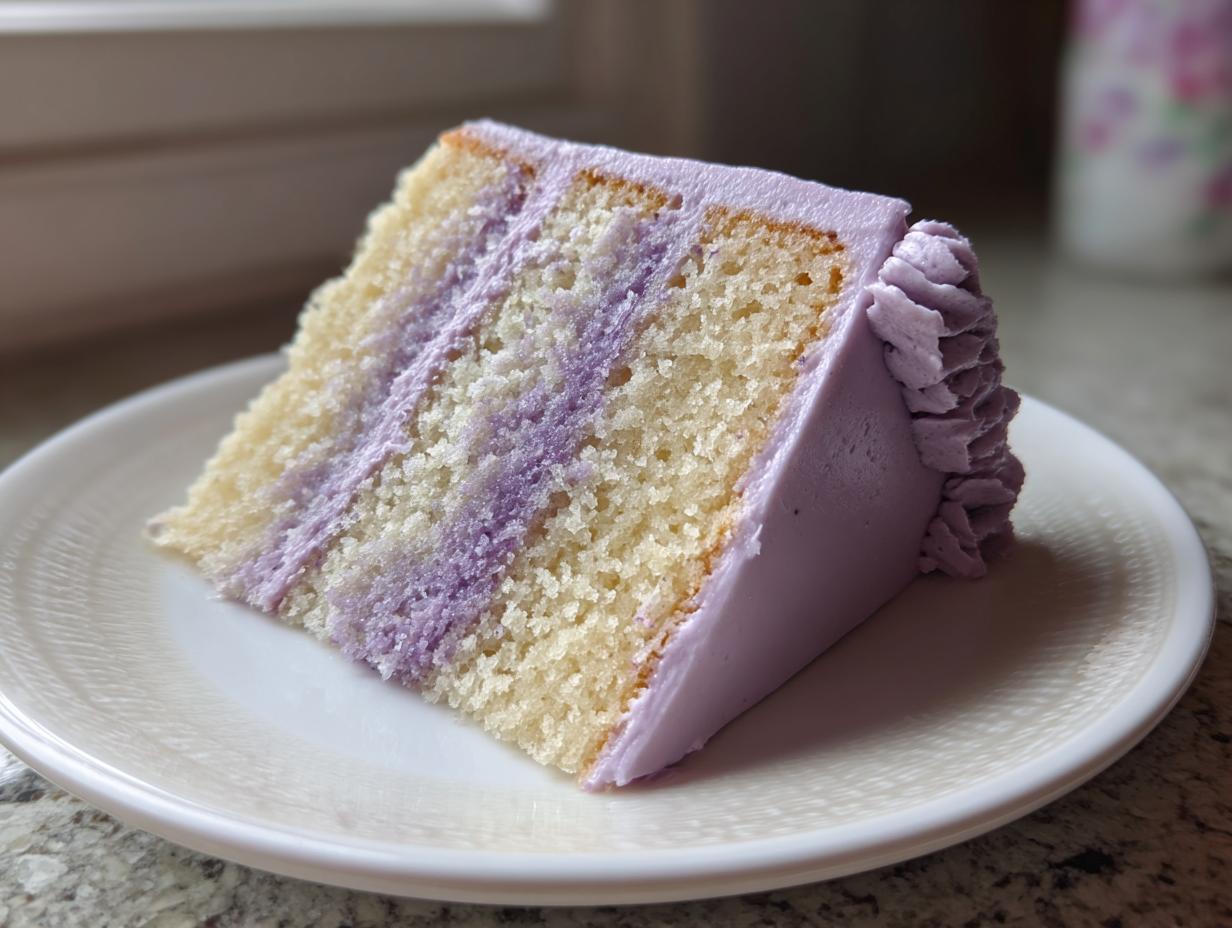
Sometimes, you just crave a dessert that feels like it belongs at an elegant garden party—something delicate, yes, but still deeply satisfying. That’s exactly what we capture with this Lavender Vanilla Cake. When I first started baking with florals, I worried it would taste soapy or just… strange. But trust me, once you find the right balance, this lavender cake becomes magic! This recipe is my trusted take on the classic flavor profile, built on the same principles Sarah Jane Thompson established: solid, reliable home cooking that delivers big on flavor without needing professional training. This isn’t just a pretty cake; it’s one that actually tastes incredible and works every time you try it.
- Why This Lavender Cake Recipe Works for Your Kitchen
- Gathering Ingredients for Your Aromatic Cake
- How to Prepare Your Lavender Vanilla Cake
- Expert Tips for Baking the Best Lavender Cake Recipe
- Serving Suggestions for Your Elegant Tea Time Treats
- Storage and Reheating Instructions for Your Lavender Cake
- Frequently Asked Questions About Floral Flavored Baked Goods
- Estimated Nutritional Data for This Aromatic Cake
- Share Your Perfect Lavender Cake Creation
Why This Lavender Cake Recipe Works for Your Kitchen
When you see a floral cake, you might worry it’ll taste like potpourri, right? I’ve certainly made that mistake before! But this isn’t just any Aromatic Floral Cake; it’s built for real-life flavor. The secret to making this work beautifully every single time is texture and restraint. This recipe promises a wonderful, fragrant dessert without overpowering your palate.
Achieving the Perfect Balance in Your Lavender Cake
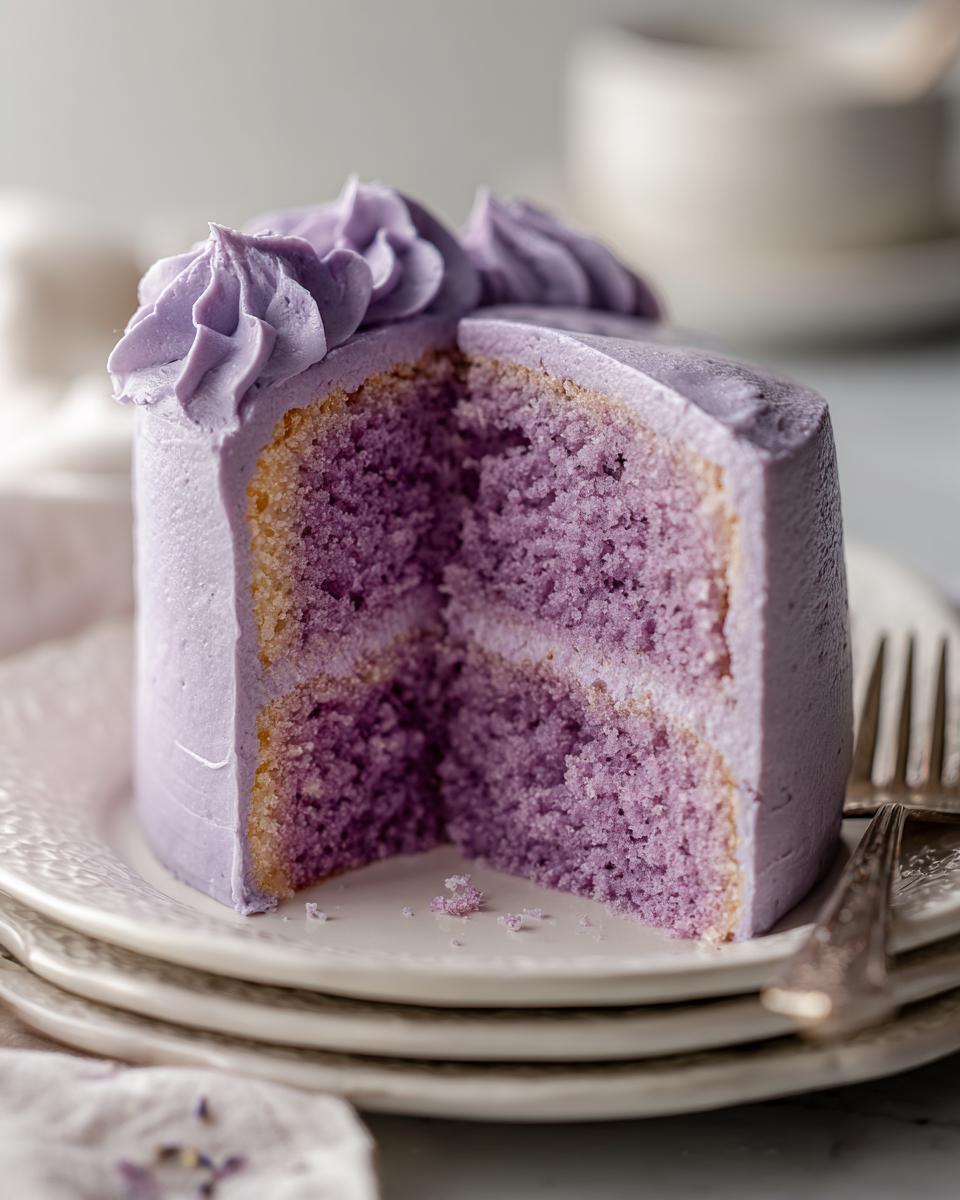
The trick to a truly successful lavender cake is making sure the lavender sings the harmony, not the lead solo. That’s why we pair it with rich, familiar vanilla extract. The vanilla acts like a warm, cozy blanket that holds the delicate floral notes in place. You get that gorgeous, sophisticated scent, but the overall flavor profile remains comforting and perfectly balanced. It’s refined without being fussy, which I love!
Tips for a Moist Lavender Cake Tutorial
If you’re aiming for that melt-in-your-mouth crumb every baker dreams of, you need to pay attention to the foundation. This is the essential part of any Moist Lavender Cake Tutorial. Remember what I said about creaming? That takes time! Beating the butter and sugar until they look pale and fluffy incorporates tons of necessary air. Also, please remember to alternate your dry ingredients with the milk—it’s the oldest trick for a tender crumb that won’t turn dense on you.
Gathering Ingredients for Your Aromatic Cake
Alright, let’s talk shopping! Even though this is a Recipe for Aromatic Cake, you won’t need any wild or exotic ingredients, but we do need precision, especially when it comes to our star—the lavender. Getting the measurements right in the cake batter versus the frosting is super important for that beautiful scent without overpowering the vanilla. We’re keeping the ingredients list tidy by splitting it into the cake layers and the frosting, which makes prepping way easier. You can find more tips on creamy frosting techniques over at my favorite red velvet cake recipe—they use a similar method.
Ingredients for the Moist Lavender Cake
For the actual cake layers, here’s what you’ll need to gather up:
- 1 3/4 cups all-purpose flour
- 1 1/2 cups granulated sugar
- 1 tablespoon baking powder
- 1/2 teaspoon salt
- 1 cup unsalted butter, softened
- 4 large eggs
- 1 cup whole milk
- 1 tablespoon vanilla extract
- 2 teaspoons culinary dried lavender buds, finely ground
Ingredients for the Lavender Buttercream Frosting
Now for the frosting that makes this whole lavender cake shine! Pay close attention to sifting that sugar—it makes all the difference for creamy texture. This uses the Lavender Buttercream Frosting recipe that is silky smooth.
- 1 cup unsalted butter, softened
- 4 cups powdered sugar, sifted
- 1 teaspoon vanilla extract
- 1/2 teaspoon culinary dried lavender buds, finely ground
- 2-3 tablespoons heavy cream
- Pinch of salt
How to Prepare Your Lavender Vanilla Cake
This is where the real magic happens! I’ve written out the steps clearly, but remember, baking is always about watching your batter and trusting your instincts a little bit. We’re aiming for that Perfect Texture Cake, and technique matters more than anything else here. Don’t rush the mixing, and definitely don’t rush the cooling!
Mixing the Lavender Cake Batter
First things first, get that oven warmed up to 350°F (175°C) and prep those pans—grease, flour, and parchment circles. That’s step one! Then, whisk your dry stuff—flour, power, salt—and set it aside. Now, grab your stand mixer or a nice sturdy bowl for the creaming. Beat that softened butter with the sugar until it’s genuinely fluffy and pale like a cloud. Beat in those four eggs one by one, scraping down the sides like crazy, then stir in your vanilla and that finely ground lavender. Remember steps four and five: you must alternate adding the dry ingredients and the milk, starting and finishing with the dry. Just mix until you see it come together; seriously, stop mixing when you still see a few pale streaks!
Baking and Cooling the Layers
Divide that slightly chunky but beautiful batter evenly into your two pans. Bake them for about 30 to 35 minutes. How do you know they’re done? Check with a toothpick! When it comes out clean, they’re ready. Don’t just yank them out, though! Let them chill in the pan for a solid 10 minutes—this keeps them from crumbling when you invert them. Then, flip them onto a wire rack to cool down completely. I mean it, completely cool. Frosting a warm layer is a disaster waiting to happen!
Creating the Silky Lavender Buttercream Frosting
While those layers are cooling (patience!), let’s whip up that frosting you’ve been dreaming about. Beat your softened butter until it looks light. Now, add your sifted powdered sugar slowly, mixing on low so you don’t create a sugar snowstorm in your kitchen. Once it’s incorporated, add your vanilla, that ground lavender, and a pinch of salt. To get that perfect, spreadable consistency for your lavender cake topping, you’ll add heavy cream one tablespoon at a time until it feels silky smooth and easy to work with.
Assembling the Final Lavender Cake
This is the fun part! Once the cakes are totally cool—no warm spots allowed—place the first layer on your stand. Take about a third of that beautiful frosting and spread it evenly. Wait, I almost forgot! Sometimes I like to mix just a tiny bit of purple food coloring into the remaining frosting just so the outside looks as lovely as it smells, but that’s optional. Place the second layer on top. Now, use the rest of your lavender buttercream to frost the top and the sides for a smooth, polished finish. If you have any whole buds left over, sprinkle a few on top for decoration!
Expert Tips for Baking the Best Lavender Cake Recipe
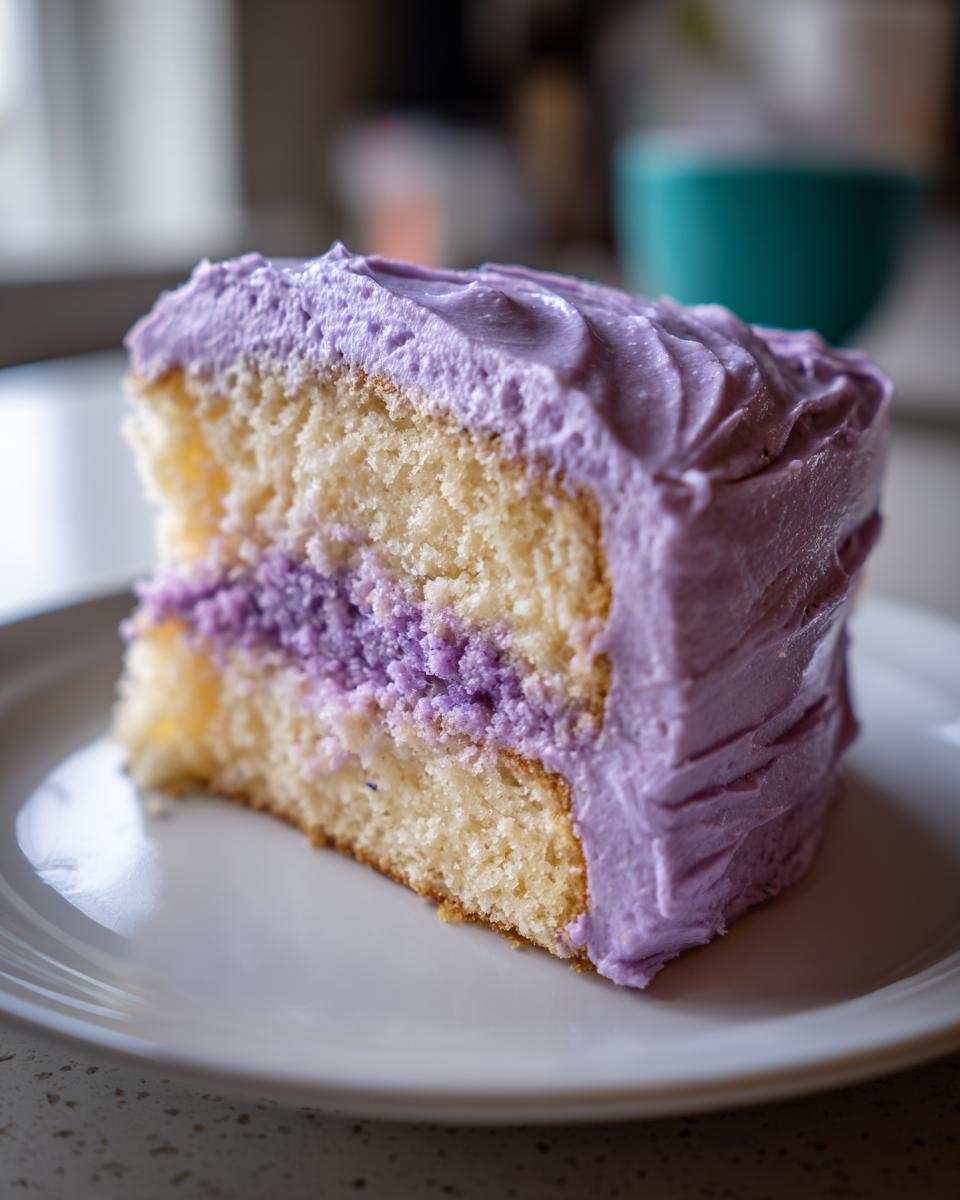
Making this lavender cake perfect, you know, where it tastes like a dream and not something you’d accidentally use to scent your linen drawer? That requires a couple of little tricks I picked up along the way. It really boils down to how you treat that lavender. It’s all part of learning How to Bake with Culinary Lavender successfully!
Maximizing Lavender Flavor
Seriously, please don’t just dump the whole dried buds straight in there! Just like the notes say, you have to deal with them first. I use my little spice grinder, and I pulse those dried buds until they are basically powder. This releases so much of that lovely scent right into the batter and the frosting. If you want to go full-throttle aromatic, try steeping 1 tablespoon of buds in your milk for about 30 minutes, then strain it out before adding it to the batter. Make sure the milk is cool again before using it, though!
Flavor Variations: Lemon Lavender Cake Inspiration
If you feel like this fragrant cake needs a little extra zip—maybe you’re having a summer picnic or just want a bit more brightness—don’t be afraid to switch up the topping! One of my favorite tweaks is using that light lemon glaze I mentioned in the notes instead of the thick buttercream. That switch turns this cake into a wonderful Lemon Lavender Cake Inspiration. The citrus really cuts through the richness and brightens up those floral notes beautifully. It keeps the cake feeling light and springy! You can read more about that specific Lavender Cake with Lavender Buttercream Frosting Recipe for tips on presentation, too!
Serving Suggestions for Your Elegant Tea Time Treats
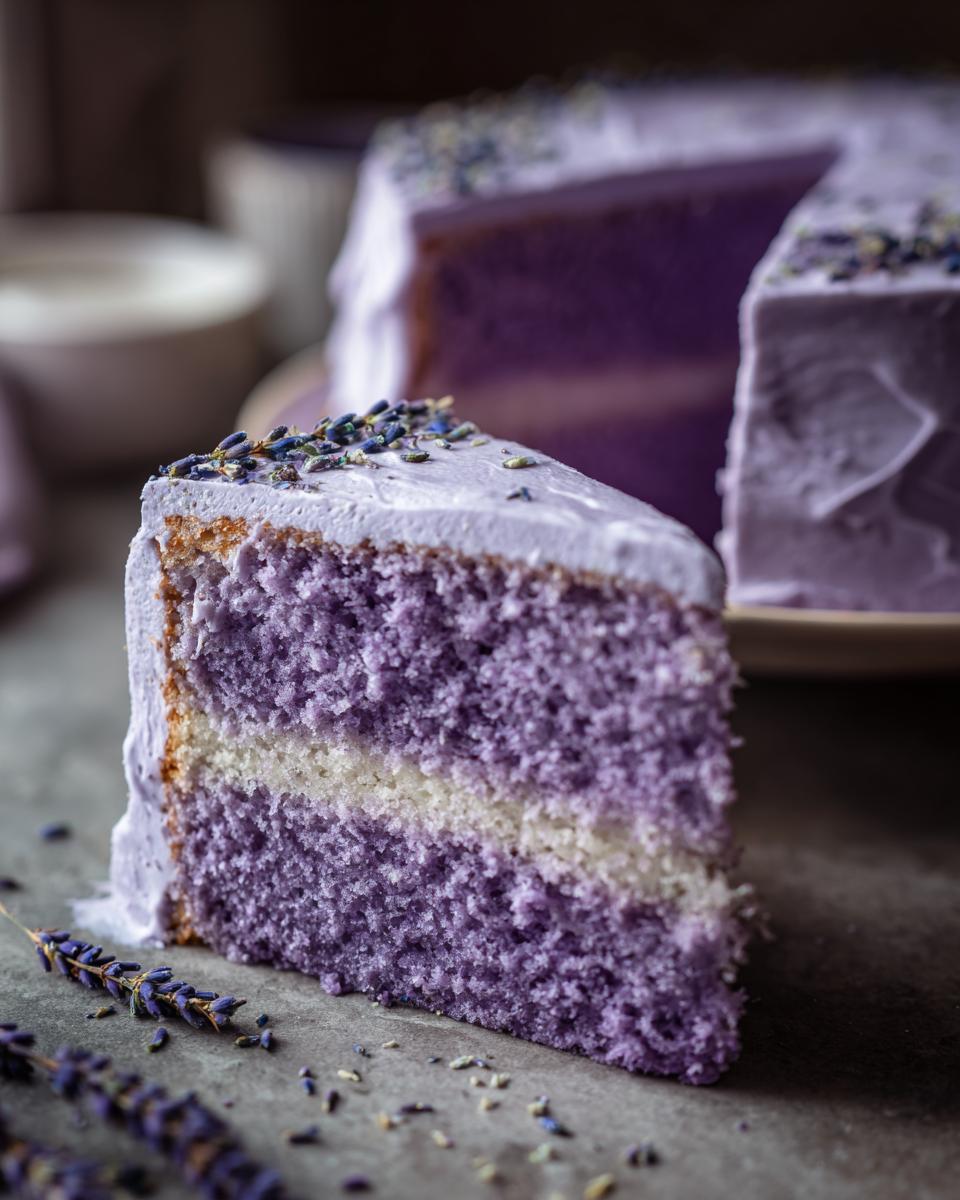
Honestly, this lavender cake just screams for a beautiful presentation. It’s the kind of dessert that makes any afternoon feel a little more special, easily transitioning from a casual snack to one of those gorgeous Elegant Tea Time Treats you see in magazines. I picture it waiting proudly on a tiered stand at a springtime shower or as the centerpiece for some lovely Garden Party Cakes.
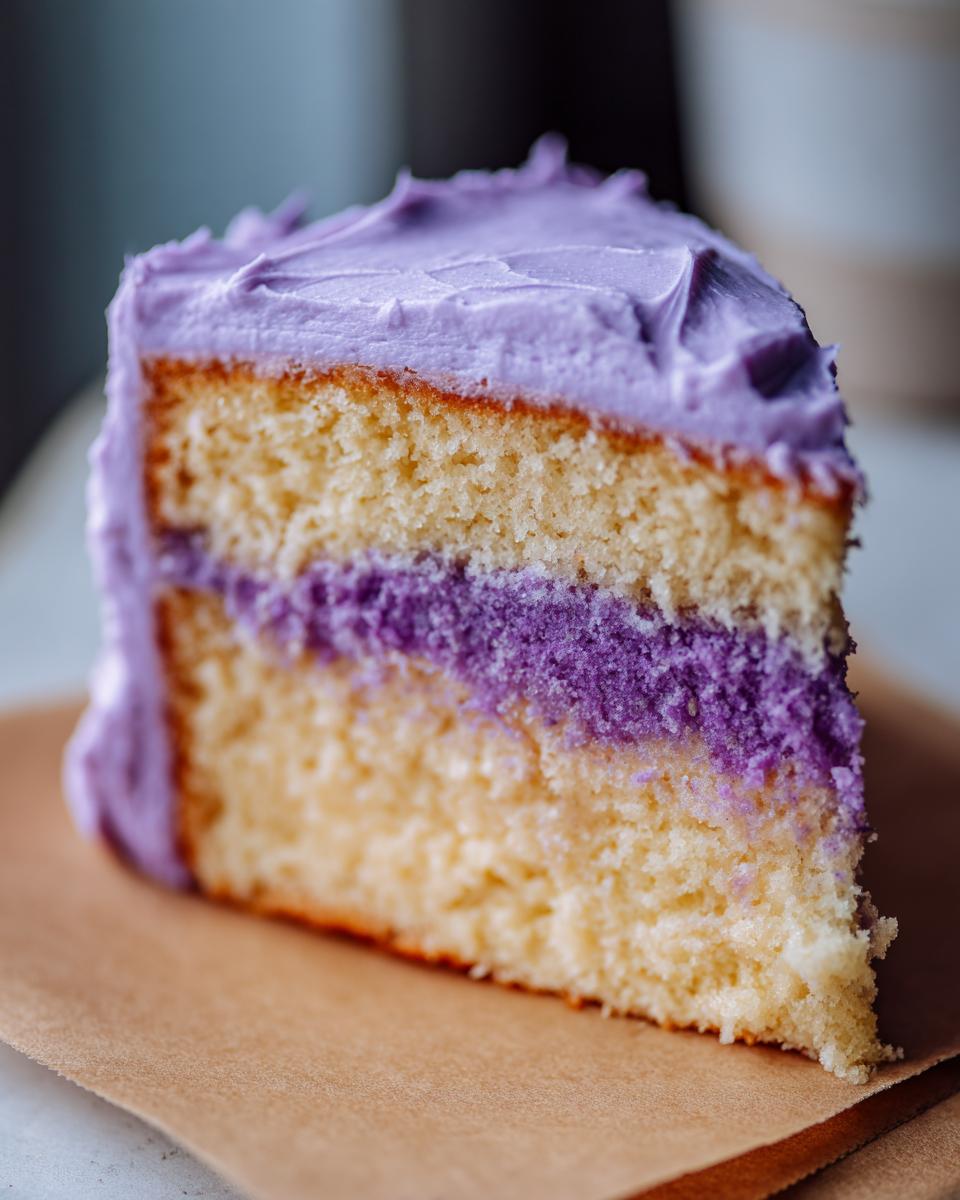
When it comes to pairings, keep it light! I love serving a slice alongside a simple cup of Earl Grey—the citrus notes in the tea play so nicely with the floral lavender. If you’re looking for something simpler than frosting, like the light glaze mentioned earlier, try serving it with fresh raspberries or a tiny dollop of unsweetened whipped cream. It lets that delicate flavor shine without feeling too heavy. For more ideas on making your treats the star, check out my recipe for soft and chewy applesauce cookies!
Storage and Reheating Instructions for Your Lavender Cake
This beautiful lavender cake is best enjoyed the day it’s made, but I know we often have leftovers, right? Good news: this cake holds up really well! Because it has that rich buttercream frosting, you’ll want to cover the whole thing loosely with plastic wrap or place it in a cake dome. If I’m just keeping it for a day or two, I leave it right out on the counter at room temperature. The butter in the frosting will keep it nice and soft.
If you need to keep it longer than two days, definitely move it to the fridge. Just make sure it’s sealed up tight so it doesn’t absorb any other smells from your fridge. The cream in the frosting can get a little firm when cold, so always pull it out about an hour before you plan to serve it—that little bit of warming up brings back that amazing soft texture. For more storage tips on creamy desserts, peep my guide on making an easy no-bake ice cream pie; the handling advice is surprisingly similar!
Frequently Asked Questions About Floral Flavored Baked Goods
It’s totally normal to have questions when you’re branching out into something as delicate as floral flavored baked goods! I’ve gathered the ones I hear most often about making the absolute best lavender cake. Don’t worry if you’ve never used dried florals before; we’ll sort it out!
Can I use fresh lavender instead of dried in this lavender cake?
Oh, that’s a great question! Fresh lavender is lovely, but it is much stronger than the dried stuff, and it holds way more moisture. If you decide to swap, you usually need about three times the amount of fresh flowers compared to dried buds. My advice? Start with half the amount you think you need, as you can always add more flavor, but you can’t take it out once it’s in the batter! The dried buds we use here break down better for a smooth texture.
What is the best way to achieve a London Fog Cake Recipe flavor profile?
If you are dreaming of that famous tea shop flavor, you’re looking for the Earl Grey Tea Infused Cake variation! To nail that cozy, sophisticated flavor profile, you need to infuse the tea into the liquids. Before you start mixing, gently warm up your milk and steep about two tablespoons of loose-leaf Earl Grey tea in it for about 20 minutes. Strain it really well, let it cool back down to room temperature, and then use that infused milk in step 4 of the recipe instead of plain milk. It gives you that beautiful bergamot note!
Is this recipe suitable for making Honey Lavender Desserts?
Absolutely! This recipe is wonderfully adaptable for creating Honey Lavender Desserts. If you want to switch from sugar to honey, I suggest swapping out about half to two-thirds of the granulated sugar for honey. But here’s the critical part: honey is liquid, and sugar is dry! So, for every cup of sugar you replace with honey, reduce the milk in the recipe by about 2 tablespoons. Taste it once the batter is mixed, too, because honey sweetness can vary!
If you’ve tried this aromatic cake or have other questions, feel free to jump over to my dessert recipes page for more inspiration or drop me a line!
Estimated Nutritional Data for This Aromatic Cake
Okay, let’s cover the details so you know exactly what you’re serving up. I always feel it’s important to be upfront about what goes into our baking, even if these numbers are just a jumping-off point. This is our healthy recipes information, broken down for one slice of this beautiful lavender cake.
Please keep in mind that these are just estimates, you know? The exact size of your eggs, the brand of butter, or how much frosting you lovingly pile on will change the final count a little bit. Think of this as a helpful guide for enjoying your gorgeous Aromatic Cake!
- Serving Size: 1 slice
- Calories: 450
- Sugar: 55g (That’s the fun part!)
- Sodium: 180mg
- Fat: 23g
- Saturated Fat: 14g
- Unsaturated Fat: 9g
- Trans Fat: 0.5g
- Carbohydrates: 60g
- Fiber: 1g
- Protein: 5g
- Cholesterol: 95mg
If you’re worried about sugar, remember that switching to that lemon glaze variation we talked about will definitely cut down on the overall richness compared to the full buttercream frosting. Enjoy every single bite!
Share Your Perfect Lavender Cake Creation
Now that you’ve baked up something truly special, I really, really want to see it! When you invite the fragrance of lavender into your own kitchen, you’re creating something beautiful, and I’d love to celebrate that with you.
Did this lavender cake turn out just like you imagined? Did you take the plunge and try the lemon glaze, or did you stick to the classic silky buttercream? Please don’t be shy! Drop that 5-star rating right below the recipe card—it helps other home bakers know this heritage recipe is worth their time.
And if you snapped a picture, tag me on social media! Knowing that one of my tried-and-true recipes ended up making *your* family table a little more elegant is genuinely the best part of what I do here at Cookin’ Corner. If you ever have a question while you’re baking, or just want to share a story about your afternoon tea, feel free to reach out through my contact page. Happy baking!
PrintLavender Vanilla Cake with Silky Lavender Buttercream
This recipe delivers a moist, aromatic lavender cake balanced perfectly with vanilla, topped with a smooth lavender buttercream frosting. It is a sophisticated dessert ideal for afternoon tea or special gatherings.
- Prep Time: 25 min
- Cook Time: 35 min
- Total Time: 60 min
- Yield: 10 servings 1x
- Category: Dessert
- Method: Baking
- Cuisine: American
- Diet: Vegetarian
Ingredients
- 1 3/4 cups all-purpose flour
- 1 1/2 cups granulated sugar
- 1 tablespoon baking powder
- 1/2 teaspoon salt
- 1 cup unsalted butter, softened
- 4 large eggs
- 1 cup whole milk
- 1 tablespoon vanilla extract
- 2 teaspoons culinary dried lavender buds, finely ground
- For the Buttercream: 1 cup unsalted butter, softened
- 4 cups powdered sugar, sifted
- 1 teaspoon vanilla extract
- 1/2 teaspoon culinary dried lavender buds, finely ground
- 2–3 tablespoons heavy cream
- Pinch of salt
Instructions
- Preheat your oven to 350°F (175°C). Grease and flour two 8-inch round cake pans. Line the bottoms with parchment paper.
- In a medium bowl, whisk together the flour, baking powder, and salt. Set aside.
- In a large bowl, cream the softened butter and granulated sugar together until light and fluffy. This step helps create a tender crumb.
- Beat in the eggs one at a time, mixing well after each addition. Stir in the vanilla extract and the finely ground lavender buds.
- Alternate adding the dry ingredients and the milk to the butter mixture, beginning and ending with the dry ingredients. Mix until just combined; do not overmix.
- Divide the batter evenly between the prepared cake pans. Bake for 30 to 35 minutes, or until a toothpick inserted into the center comes out clean.
- Let the cakes cool in the pans for 10 minutes before inverting them onto a wire rack to cool completely.
- To make the frosting, beat the softened butter until smooth. Gradually add the sifted powdered sugar, mixing on low speed until incorporated.
- Add the vanilla extract, ground lavender, and salt. Beat on medium speed until fluffy. Add heavy cream, one tablespoon at a time, until you reach a smooth, spreadable consistency for your lavender buttercream frosting.
- Once the cakes are completely cool, place one layer on a serving plate. Spread about one-third of the frosting over the first layer. Place the second layer on top.
- Frost the top and sides of the cake with the remaining lavender buttercream. Decorate with a few whole lavender buds if desired.
Notes
- To get the most flavor from the lavender, grind the dried buds finely using a spice grinder or mortar and pestle before adding them to the batter and frosting.
- For an even more aromatic cake, steep the milk in 1 tablespoon of lavender buds for 30 minutes, strain, and then use the infused milk in the recipe. Cool the milk before using.
- This cake pairs well with a light lemon glaze if you prefer a less rich topping than buttercream.
Nutrition
- Serving Size: 1 slice
- Calories: 450
- Sugar: 55g
- Sodium: 180mg
- Fat: 23g
- Saturated Fat: 14g
- Unsaturated Fat: 9g
- Trans Fat: 0.5g
- Carbohydrates: 60g
- Fiber: 1g
- Protein: 5g
- Cholesterol: 95mg