

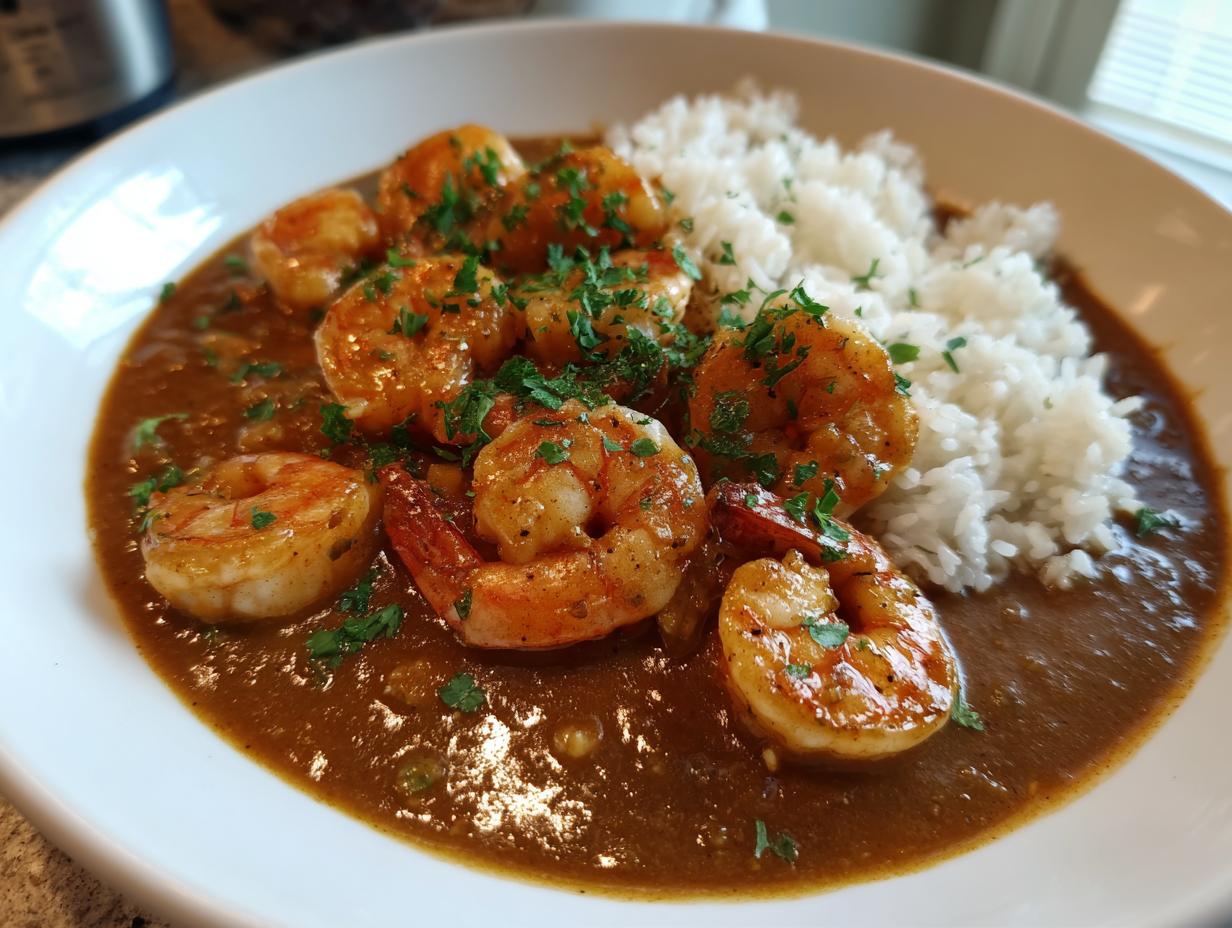
Some flavors just wrap you up like a warm blanket, don’t they? For me, that’s anything that smells like the bayou; that deep, savory aroma that instantly takes me back to imagining those bustling kitchens in New Orleans. If you’ve been searching for that true, soul-satisfying taste of Louisiana, you’ve found the right spot. We aren’t making a watered-down version here today. This is my guide to making the authentic, classic shrimp etouffee, focusing hard on the rich roux technique that gives this Cajun comfort food its legendary color and depth. I learned early on from my family that tradition holds the best secrets, and making this dish from scratch properly is a beautiful rite of passage. Get ready to create something truly special! If you love this kind of rich flavor profile, you absolutely have to check out my recipe for authentic red beans and rice.
- Why This Authentic Classic Shrimp Etouffee Recipe Works
- Gathering Ingredients for Your Shrimp Etouffee
- How to Make Shrimp Etouffee Step by Step
- Tips for Perfect Authentic Shrimp Etouffee
- Serving Suggestions for Your Classic Shrimp and Rice Meal
- Storage and Reheating Instructions for Shrimp Etouffee
- Frequently Asked Questions About Shrimp Etouffee
- Estimated Nutritional Value for This Flavorful Louisiana Dinner
- Share Your Homemade Cajun Sauce Creations
Why This Authentic Classic Shrimp Etouffee Recipe Works
When you commit to making this dish, you’re signing up for a real taste of Louisiana, don’t they? For me, that’s anything that smells like the bayou; that deep, savory aroma that instantly takes me back to imagining those bustling kitchens in New Orleans. This recipe works because it respects the old ways. We aren’t skipping steps, especially the important ones! It turns simple ingredients into a rich, velvety sauce that screams Cajun comfort food. Trust me, making it this way gives you the deepest possible flavor for a truly memorable Flavorful Louisiana dinner, and it sets you up perfectly for future recipes, like my chicken tinga later this week!
Here’s what sets this method apart:
- It relies on a slow, perfectly developed roux, which is non-negotiable for depth.
- We honor the Holy Trinity, ensuring that foundational vegetable blend builds flavor from the very start.
- The timing for the shrimp is precise so they stay wonderfully tender in the savory sauce.
The Secret to Perfect Shrimp Etouffee: The Roux
Honestly, if you mess up the roux, you’ve messed up the dish. That’s just the reality of authentic cooking here. Mastering the roux is the single most important step for achieving true shrimp etouffee. You absolutely need patience because we are aiming for a dark color—think rich milk chocolate. That deep brown hue is where all the nutty, complex flavor lives. If it’s blonde, it’s just a gravy, but when it’s dark like this, baby, that’s etouffee! It builds amazing Authority, I promise.
Building the Holy Trinity Base
Before we get the liquid in there, we have to sweat down the Holy Trinity: onion, celery, and bell pepper. These three vegetables are the backbone of every great shrimp etouffee and every good Creole starter. Cooking them slowly in that rich roux base allows their sweetness to emerge and meld with the fat. Skipping any one of them leaves the dish tasting thin. This is exactly how you learn to make etouffee from scratch—you respect those vegetable foundations!
Gathering Ingredients for Your Shrimp Etouffee
Now that we know the technique, let’s get our cast of characters ready! Having everything prepped and waiting nearby is crucial, especially when we start cooking the roux, because once those veggies hit the pot, things move fast. You’ll need your flour and oil for that famous base, of course. Then gather your Holy Trinity: a big onion, celery, and green bell pepper, all chopped up nicely. Don’t forget your minced garlic! For the body of the sauce, we’re using seafood or chicken stock, diced tomatoes—undrained, please, for extra moisture—thyme, oregano, bay leaf, salt, pepper, and cayenne. And of course, we need a pound of fresh, peeled and deveined shrimp ready to go into that amazing sauce. If you’re looking for a great gravy to practice technique on later, try my recipe for easy chicken gravy!
Ingredient Notes and Substitutions for Shrimp Etouffee
I want you to feel confident walking into this, so let’s talk ingredients. About the stock: seafood stock is traditionally best because it deepens that New Orleans seafood flavor, but honestly, a good quality chicken stock works wonderfully if you can’t find seafood stock easily. The real trick is the cayenne pepper. Starting with half a teaspoon gives you a nice warmth, but if you like a spicy shrimp stew, feel free to bump that up! Remember, we are making our own homemade Cajun sauce, so you are the boss of the heat. Don’t skimp on the fresh shrimp, though; that’s where the tenderness comes from!
How to Make Shrimp Etouffee Step by Step
Okay, this is where the magic happens! Don’t let the steps scare you; if you follow along, this Easy Shrimp Etouffee step by step becomes incredibly manageable. Remember, cooking is about process, and we’re just laying down flavor layers until we plate up that perfect entree recipes for seafood lovers. We start with the most critical part, the time commitment to that beautiful, dark roux. I usually put on some good music during this part because you have to be focused! You’ll want to keep your stock warm nearby—it makes whisking in so much smoother. If you need a fast, flavorful side dish for another night, try my recipe for garlic noodles!
Technique Focus: Achieving the Best Roux for Etouffee
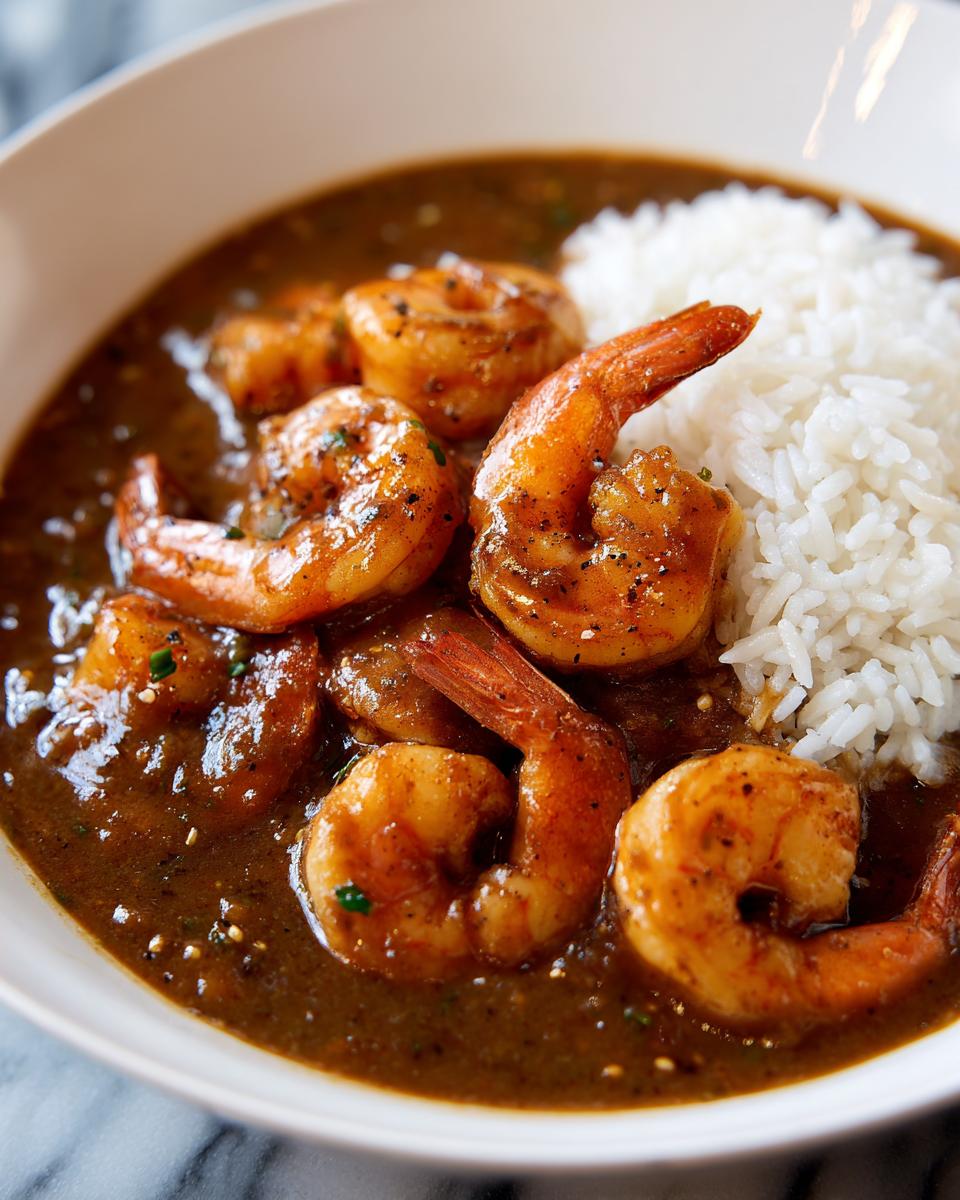
This is Step One, and I mean it when I say we take our time. Grab that heavy pot, splash in your oil and flour, and put it over medium heat. Now, you stir. Stir constantly! Don’t walk away to check your phone or answer the door. You are watching the color change from pale blonde past peanut butter, all the way to a deep, rich milk chocolate. This can take 20 to 30 minutes, maybe even longer depending on your stove. Patience is your best virtue here. If you see it look like it’s starting to smoke or smell acrid, pull it RIGHT OFF the heat immediately. A burnt roux means starting over, but a perfectly cooked one builds incredible Authority!
Simmering the Flavor Base of Your Shrimp Etouffee
Once your roux is deep brown, toss in the Holy Trinity (onion, celery, pepper) and cook them down until soft—about 8 minutes. Then, kill the heat momentarily and slowly start whisking in your warm seafood stock. This is vital! Whisk like you mean it until you have a smooth liquid with no lumps. Once smooth, add your tomatoes, herbs, cayenne, and bay leaf. Bring that whole pot to a gentle simmer, cover it up, and let it hang out for at least 30 minutes. Seriously, 30 minutes minimum! This resting time is when that wonderful, homemade Cajun sauce really starts to become something special and deepens the flavor significantly.
Cooking the Tender Shrimp in Savory Sauce
The grand finale! Once your sauce has had its long, slow simmer and tastes amazing, it’s time for the shrimp. Drop your peeled and deveined shrimp right into that hot sauce. Now, here’s the warning: shrimp cook lightning fast! You only cook them for about 3 to 5 minutes, just until they turn pink and curl up slightly. If you leave them in too long, they toughen up, and that ruins the final texture of your shrimp etouffee. That’s why we add them last. Once they’re done, pull that bay leaf out, taste for final seasoning, and get ready to serve that tender shrimp in savory sauce!
Tips for Perfect Authentic Shrimp Etouffee
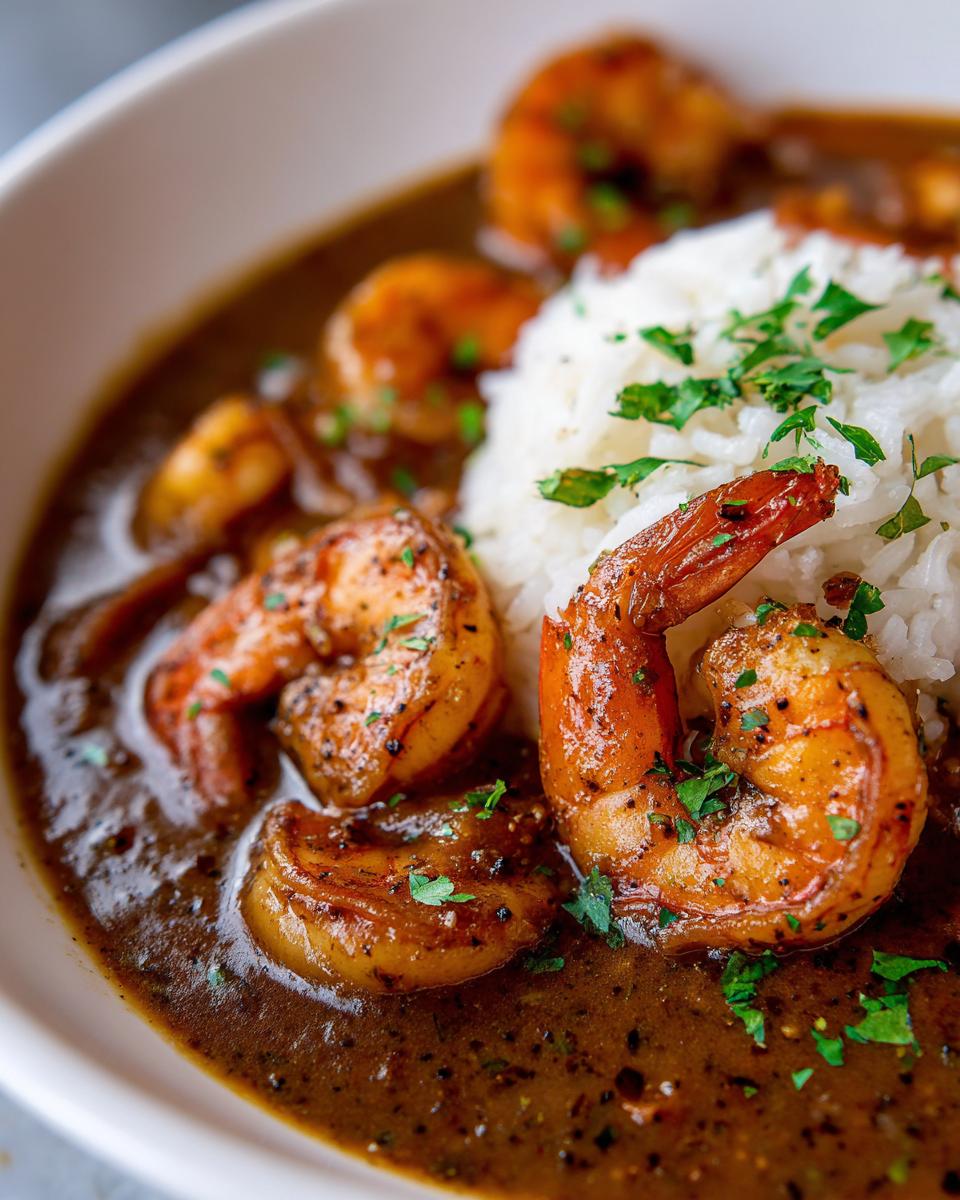
Even with the best instructions, cooking traditional food takes a little bit of that patient wisdom I learned watching my grandmother when I was learning to master this traditional southern cooking. Here are the few little habits that ensure my shrimp etouffee comes out tasting exactly like it should: unforgettable.
First, that roux. My notes stress this because it’s key to authentic Creole recipe status: do not rush it, and don’t let the heat get too high! If you start smelling burning instead of deep, nutty warmth, pull that pot off the burner for 30 seconds to cool it down before continuing to stir. It’s worth the extra five minutes of attention.
Second, try to use the best stock you can find. If you are making this for a special occasion, homemade seafood stock makes a huge difference, but if you’re in a pinch and opting for store-bought, pick a low-sodium version. I always recommend adding the seasonings—thyme, oregano, cayenne—to the sauce about halfway through the simmering stage. This lets the dried herbs really bloom without getting scorched earlier on. You can check out another amazing traditional side dish that pairs well; my creamy baked mashed potatoes are a comforting addition.
Finally, if you see anyone else making this specific recipe, I just love seeing how they use that wonderful sauce! You can find another version of this dish over at Shrimp Etouffee if you want to compare notes!
Serving Suggestions for Your Classic Shrimp and Rice Meal
Okay, the pot is simmering, the shrimp are perfectly tender—now we eat! This whole dish is meant to be served as a gorgeous classic shrimp and rice meal. The best way I know to present this is spooning that rich, dark sauce right over a big bed of piping hot, fluffy white rice. Make sure the rice is ready to go right when the etouffee is done simmering, because this dish waits for no one!
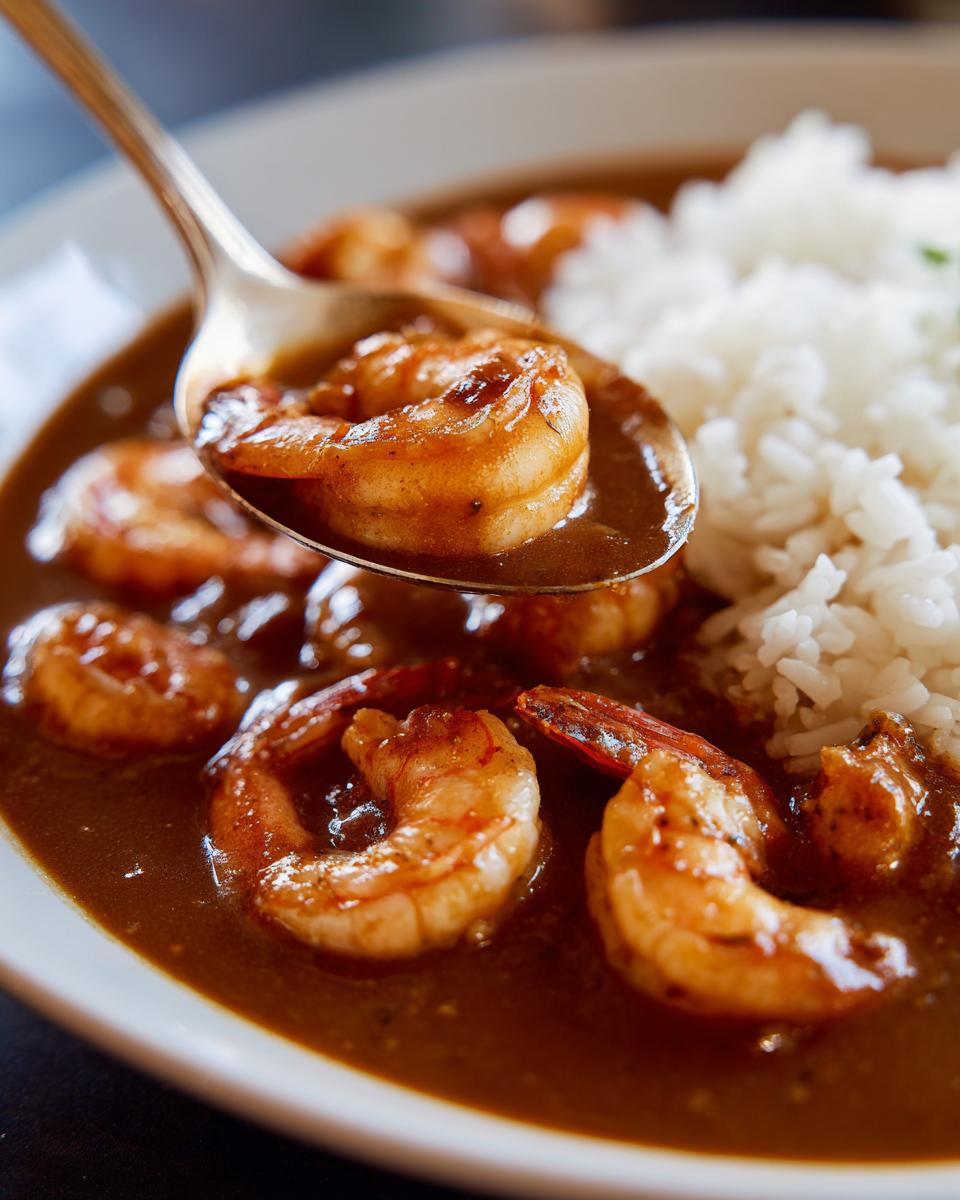
Don’t forget the finish! A good sprinkle of fresh chopped parsley right over the top brings a necessary pop of color and freshness that cuts through all that deep roux flavor. If you want to get fancy with your rice accompaniment, you could try making my cilantro lime rice instead of plain white rice. It adds a bright, unexpected layer of flavor that I personally adore alongside that heavy, savory sauce!
Storage and Reheating Instructions for Shrimp Etouffee
It’s hard to have leftovers of this glorious Cajun comfort food, but when you do, you’ll want to treat them right! Store any extra shrimp etouffee in an airtight container in the fridge. It keeps beautifully for about three to four days. The flavor actually gets even deeper the next day—bonus!
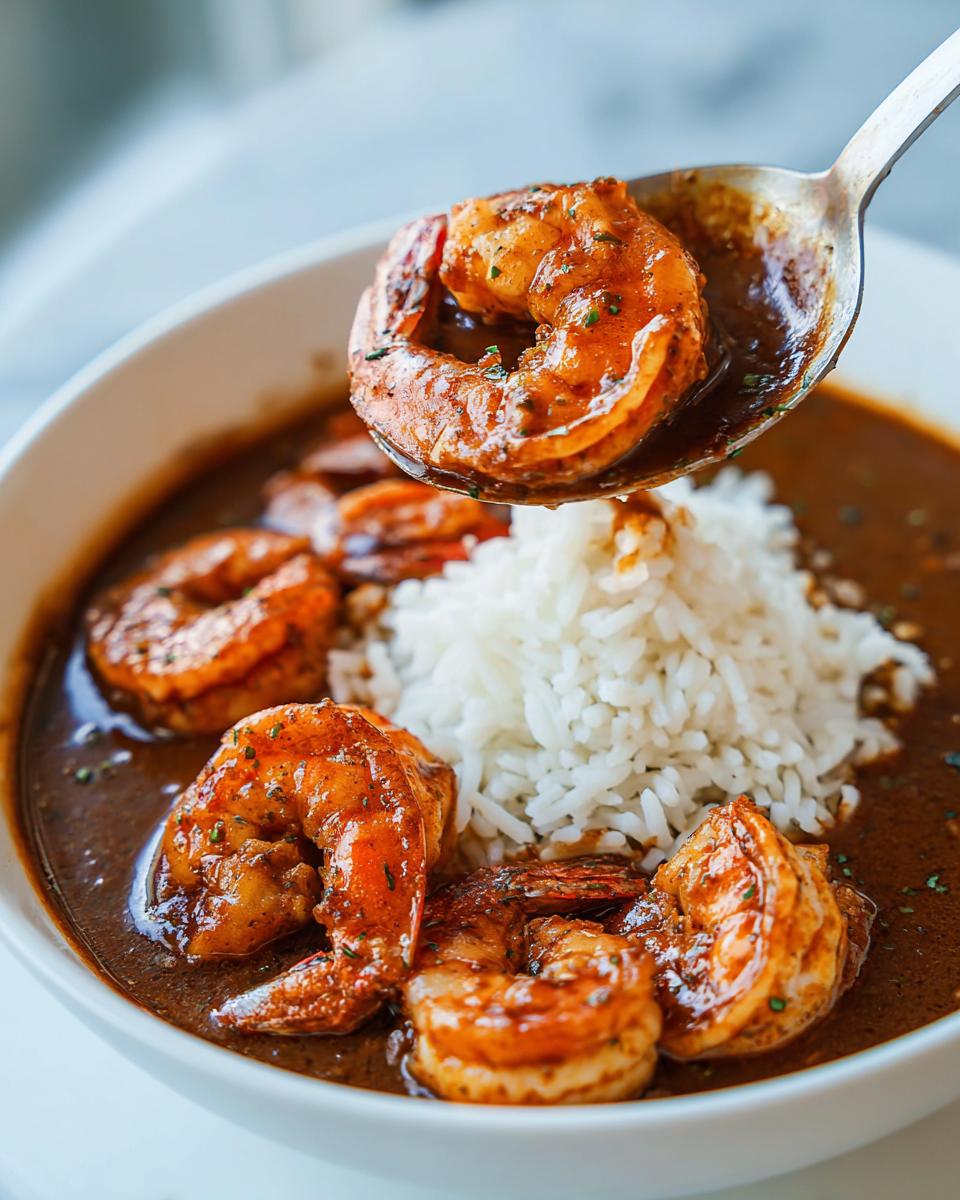
When you are ready to reheat, the stovetop is always the gentlest way. Heat it slowly over medium-low heat. Do not just crank the heat up! We want to coax that sauce back to life, not scorch that precious roux layer we worked so hard on. If it looks a little thick after chilling, just whisk in a splash of water or stock while it warms up to get that perfect, creamy consistency back again.
Frequently Asked Questions About Shrimp Etouffee
I know when you’re first tackling a classic like this, you have questions! When I started exploring how to make etouffee from scratch, I certainly did. Here are the things I hear most often about getting this Flavorful Louisiana dinner just right.
What if I want a quicker shrimp etouffee?
I totally get it; sometimes you need that quick weeknight etouffee! The only section you really can’t shortcut is the roux—a dark roux should always take 20 minutes minimum, or it won’t taste authentic. However, you can shave time off the simmer period from 30 minutes down to 15 minutes if you are really pressed. Also, if you use high-quality, store-bought seafood stock, that saves you a ton of prep time right there. It won’t be as rich, but it’ll still be delicious!
Can I use chicken instead of shrimp in this Creole recipe?
Oh yes, you absolutely can substitute! Chicken étouffée is also a wonderful Authentic Creole recipe. If you use boneless, skinless chicken thighs, you should cut them into bite-sized pieces and add them right after the Holy Trinity, simmering them until they are cooked through (usually about 15-20 minutes) *before* you add the stock and simmer the base. Remember, shrimp go in last because they are so delicate, but chicken needs that extra time to get nice and tender in the sauce.
If you’re looking for another cozy meal idea, my butternut squash chili is phenomenal on a cold night, too! And if you want to see a fantastic example of this dish made by another great cook, check out this version over at Flavorful Cajun Shrimp Etouffee Recipe for comparison!
Estimated Nutritional Value for This Flavorful Louisiana Dinner
Now, I always tell people that while we cook with heart and soul, we should still have a general idea of what we’re putting on the table. Keep in mind these numbers are just estimates based on the ingredients listed in my recipe for this Flavorful Louisiana dinner, and they really depend on the exact products you use, especially how much salt sneaks in! For one generous serving over rice, you’re looking at about 380 calories, with around 18 grams of fat and a whopping 30 grams of protein. That’s a hearty, satisfying plate of Cajun comfort food!
We aim for traditional, delicious flavor here, not necessarily low-fat perfection, but this is a wonderful option for seafood lovers. If you are looking for other meals that fit a lighter profile, don’t forget to browse my collections of healthy recipes for inspiration!
Share Your Homemade Cajun Sauce Creations
Well, you’ve done it! You dove headfirst into making a real Louisiana legend. Now that you’ve mastered that tricky roux and plated up your perfect shrimp etouffee, I really want to know how it turned out for you! Did your roux hit that perfect milk chocolate color? Did your shrimp stay nice and tender in that amazing savory sauce?
Please come back and leave a rating below! Tell me what you loved, or if you have any tweaks to your own homemade Cajun sauce. I adore seeing your creations, so share a photo if you can! Until next time, happy cooking! If you need a fun appetizer to go with your leftovers, try my easy cowboy caviar next!
And if you want to see how others approached their classic version, take a peek at this example from Simple Classic Shrimp Etouffee Comfort Food Recipe for inspiration!
PrintAuthentic Classic Shrimp Etouffee with a Rich Roux

Make this authentic Shrimp Etouffee, a flavorful Cajun comfort food straight from Louisiana. You will learn the step-by-step method for building a rich, dark roux that creates the deep flavor base for this classic New Orleans seafood dish.
- Prep Time: 20 min
- Cook Time: 60 min
- Total Time: 80 min
- Yield: 4 servings 1x
- Category: Dinner
- Method: Stovetop Simmering
- Cuisine: Cajun
- Diet: Low Fat
Ingredients
- 1/2 cup all-purpose flour
- 1/2 cup vegetable oil
- 1 large yellow onion, chopped
- 1 cup celery, chopped
- 1 cup green bell pepper, chopped
- 3 cloves garlic, minced
- 1 pound raw shrimp, peeled and deveined
- 4 cups seafood or chicken stock
- 1 (14.5 ounce) can diced tomatoes, undrained
- 1 teaspoon dried thyme
- 1 teaspoon dried oregano
- 1/2 teaspoon cayenne pepper (adjust to your spice preference)
- 1 bay leaf
- Salt and black pepper to taste
- 1/4 cup chopped fresh parsley, for garnish
- Hot cooked white rice, for serving
Instructions
- Make the roux: In a heavy-bottomed pot or Dutch oven, combine the flour and oil over medium heat. Stir constantly until the mixture turns a dark brown color, similar to milk chocolate. This takes patience, about 20 to 30 minutes. Do not let it burn.
- Add the Holy Trinity: Add the chopped onion, celery, and bell pepper to the roux. Stir well and cook until the vegetables soften, about 8 minutes.
- Add the garlic and cook for 1 minute until fragrant.
- Stir in the seafood stock slowly, whisking constantly to prevent lumps from forming in the roux.
- Add the diced tomatoes, thyme, oregano, cayenne pepper, and bay leaf. Season with salt and pepper. Bring the mixture to a simmer.
- Reduce the heat to low, cover the pot, and let the etouffee simmer for at least 30 minutes to allow the flavors to meld. Stir occasionally.
- Add the peeled and deveined shrimp to the simmering sauce. Cook for 3 to 5 minutes, or until the shrimp turn pink and are cooked through. Avoid overcooking the shrimp.
- Remove the bay leaf. Taste the sauce and adjust salt and pepper as needed.
- Serve your flavorful Louisiana dinner immediately over hot cooked white rice. Garnish with fresh parsley.
Notes
- Making a proper roux is the key to authentic Cajun cooking; keep the heat medium-low and stir constantly to achieve that deep color without burning.
- If you prefer a milder flavor, reduce the cayenne pepper or omit it entirely.
- For an even richer flavor, use homemade seafood stock.
Nutrition
- Serving Size: 1 serving
- Calories: 380
- Sugar: 5
- Sodium: 650
- Fat: 18
- Saturated Fat: 3
- Unsaturated Fat: 15
- Trans Fat: 0
- Carbohydrates: 25
- Fiber: 3
- Protein: 30
- Cholesterol: 210