

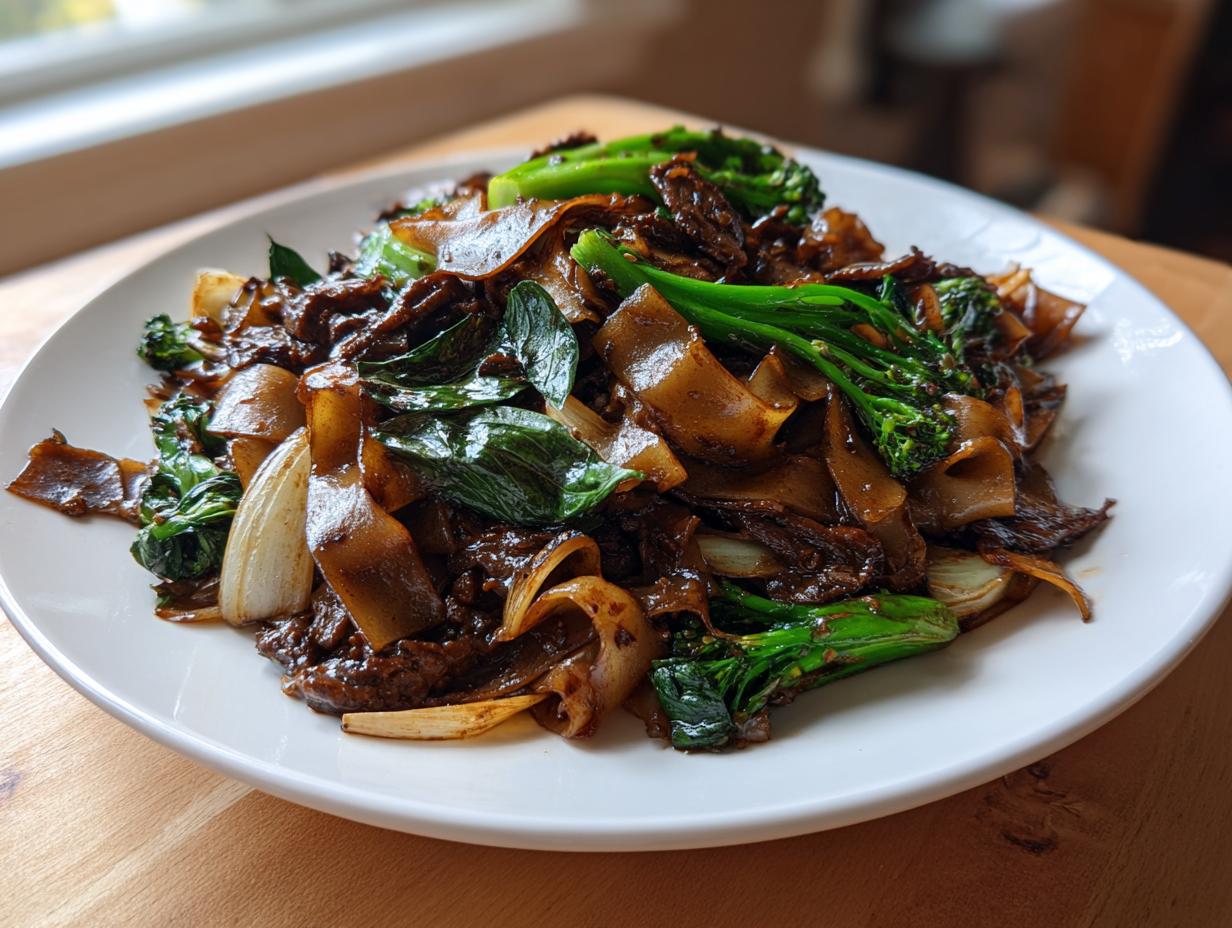
Oh, you know that feeling, right? That specific, intense craving hits you late in the evening—you just need that incredibly bold, spicy kick that only truly authentic Thai takeout seems to deliver. For me, growing up on hearty Midwest comfort food, recreating those vibrant, complex flavors was a total challenge at first! But I kept testing, relying on that core belief that if you put in the care, the flavor will follow. That’s why I’m so excited to share my foolproof, yet totally genuine, recipe for thai drunken noodles, or Pad Kee Mao, as they are known in Thailand. Trust me, this recipe delivers that incredible, smoky, spicy Thai stir fry punch—all ready to eat in under 30 minutes. It tastes exactly like the best street food! If you want some inspiration for other sauces while you’re cooking, check out my recipe for easy 5-minute creamy peanut sauce.
- Why This Authentic Thai Drunken Noodles Recipe Works Every Time
- Gathering Ingredients for Thai Drunken Noodles (Pad Kee Mao)
- Step-by-Step Instructions: How to Make Drunken Noodles
- Tips for Making the Best Drunken Noodles (Pad Kee Mao)
- Customizing Your Thai Noodle Stir Fry (Protein Variations)
- Storage and Reheating Instructions for Leftover Thai Drunken Noodles
- Frequently Asked Questions About Making Pad Kee Mao Recipe
- Estimated Nutritional Snapshot for Thai Drunken Noodles
- Share Your Authentic Thai Noodles Creations
Why This Authentic Thai Drunken Noodles Recipe Works Every Time
Listen, I know you see ‘authentic’ and think it means spending all day in the kitchen, but that’s not how we do things here at Cookin’ Corner! My goal was to bring you that intense, restaurant-quality flavor of street style noodles without needing an hour. These homemade drunken noodles genuinely come together in about 30 minutes, making them perfect for a weeknight treat.
- It’s genuinely quick—ready before you can even talk yourself out of ordering takeout.
- It hits all the right spots: savory, spicy, slightly sweet, and deeply aromatic.
- It captures that elusive, deep flavor you only usually get from street vendors.
Achieving That Signature Smoky Flavor
The single most important thing for making your Thai drunken noodles taste legit is HEAT. You absolutely must get your wok or your biggest skillet screaming hot before anything goes in. We are aiming for that char, that whisper of smoke they call wok hei. If your pan isn’t smoking hot when you toss in the noodles, you end up with just soggy noodles instead of the incredible, slightly charred texture you expect from a great Pad Kee Mao recipe. Don’t be shy with the heat!
Speaking of building flavor foundations, you should see how easy it is to whip up this quick homemade teriyaki sauce recipe when you need an alternate Asian-inspired flavor boost!
Gathering Ingredients for Thai Drunken Noodles (Pad Kee Mao)
This is where organization really saves the day, especially since we are cooking these thai drunken noodles so fast! It’s all about having these components ready to go before that wok gets hot. You don’t want to be scrambling for the fish sauce when the garlic is already browning, trust me on this one. Below, I’ve broken down everything you need, from the base noodles right up to what makes the sauce sing. If you are looking for ideas on prepping your meat ahead of time, be sure to peek at my guide for the best chicken marinade for juicy flavor recipes!
Sauce Components for Your Pad Kee Mao Recipe
The backbone of any great authentic Thai noodles dish lies in that perfect blend of salty, sweet, and savory—that deep umami punch! We need a few key players here. Whisking these together first ensures you get that beautiful, even coating on everything. You’ll grab soy sauce for saltiness, but the dark sweet soy sauce is non-negotiable; it gives us the color and that richness that makes a Pad Kee Mao recipe authentic. Don’t forget the oyster sauce and fish sauce—they are locked in a beautiful dance for that savory balance!
Protein and Vegetable Prep for Spicy Thai Stir Fry
For the protein, grab about eight ounces of whatever you love—sliced chicken, thin strips of beef, shrimp, or cubed tofu work great—and get it ready. The key for this spicy Thai stir fry is slicing everything relatively thin so it cooks in minutes. We need onions, bell peppers (any color you like!), and some Chinese broccoli or regular broccoli florets. But the star that signals you are truly making Thai basil noodles? That needs to be the fresh Thai basil leaves. Load up on them because they wilt down surprisingly fast but perfume the whole dish beautifully!
Step-by-Step Instructions: How to Make Drunken Noodles
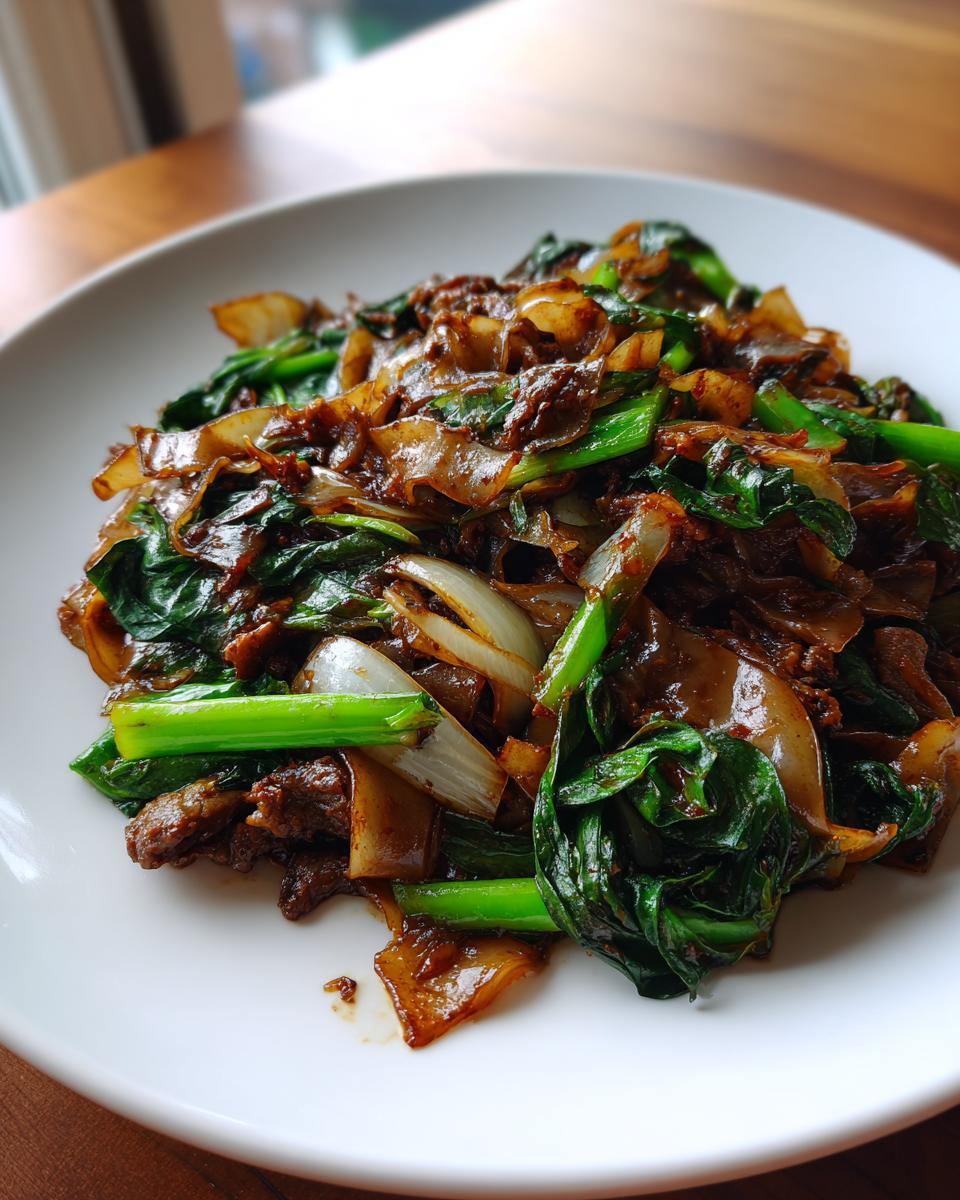
Okay, deep breath! We are about to go from zero to hero in about 20 minutes of actual cooking time. As I always say, the secret to any great stir-fry, especially when making these thai drunken noodles, is mise en place—everything ready to go! We want that high-heat, fast toss to get that perfect char needed for truly smoky Thai noodles. Try not to clutter your station, keep your sauce handy, and let’s get cooking!
Noodle Preparation and Sauce Mixing for Homemade Drunken Noodles
First things first: deal with those noodles! If you’re using the dried wide rice noodles, follow the package directions exactly for soaking. You want them pliable but still slightly stiff—we call this al dente, or slightly firm. If you bite into one and it’s mushy, it’s going to turn into soup when you toss it in the wok later, so check them often! Drain these really well. While that’s happening, go ahead and grab a small bowl and whisk together all your sauce components—the soy sauces, oyster sauce, fish sauce, sugar, and pepper. Keep that bowl right next to the stove. Having the sauce pre-mixed is vital for a successful easy Pad Kee Mao cook time.
The High-Heat Stir-Fry Technique for Thai Drunken Noodles
Now, for the action! Get your wok (or best large skillet) on the highest heat setting your stove has. Seriously, let it get hot—you might see a wisp of smoke, and that’s good! Add your oil, then immediately toss in your sliced protein. Cook that fast until it is about 90% done, and scoop it right out onto a clean plate. We do this because if you leave the meat in, it will overcook while you deal with the veggies. Next, toss in your garlic and chilies. Stir constantly for just 15 seconds until you can really smell that sharp, spicy aroma—go too long and you’ll burn the garlic! After that, slide in your onions, peppers, and broccoli. Tossing constantly for maybe two or three minutes is all they need; we want them tender-crisp, not floppy!
Combining Noodles and Finishing the Easy Pad Kee Mao
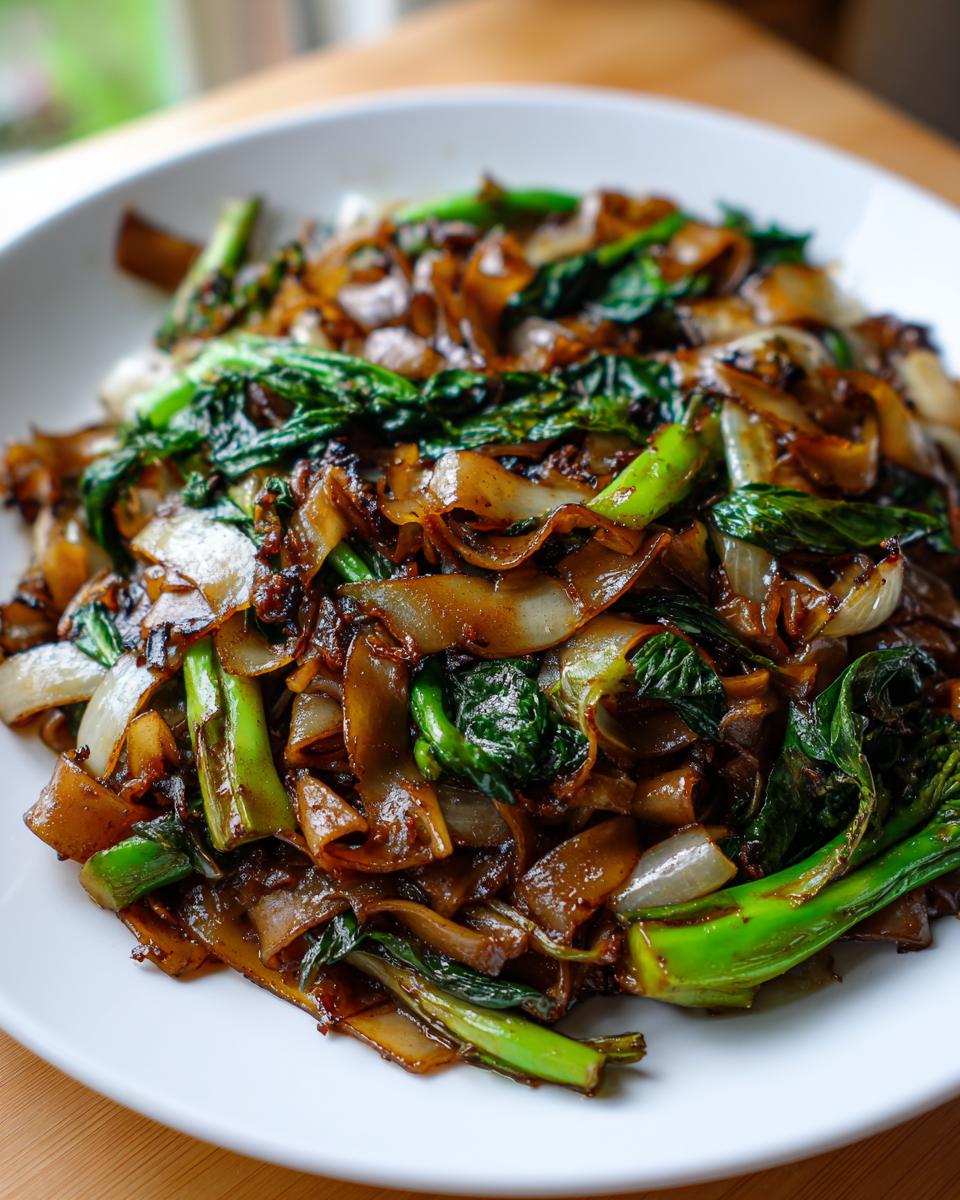
Time to bring it all home! Put the cooked protein back into the hot pan with your sizzling vegetables. Immediately pour in that pre-mixed sauce and toss everything until it’s coated. Now, dump in those drained rice noodles! Keep tossing everything vigorously in that hot pan for just 60 to 90 seconds. The goal here is to heat the noodles through and let them soak up all that glorious flavor from the sauce. The second the noodles look glossy and coated, take the wok completely off the heat. This is my biggest expert tip: Stir in the cup of fresh Thai basil leaves *after* the heat is off. If you add basil while it’s still roaring hot, it immediately turns black and limp, and you lose that anise-like flavor. A quick toss, and your homemade drunken noodles are ready to plate immediately!
If you need ideas for a bright side dish, you might look into my recipe for quick easy chicken piccata lemon caper sauce, though I usually just eat these noodles by themselves!
Tips for Making the Best Drunken Noodles (Pad Kee Mao)
Even though this Pad Kee Mao recipe is straightforward, tiny adjustments can take your thai drunken noodles from great to absolutely mind-blowing. Since we are focused on making this an easy favorite for your rotation, let’s talk tweaking. Remember, I learned to cook by making do with what I had, so substitutions are totally natural in my kitchen!
Ingredient Substitutions for Weeknight Thai Noodles
Okay, let’s talk basil first. Thai basil is special—it has that hint of anise or licorice flavor that really screams authentic. If you absolutely cannot find it for your weeknight Thai noodles, go ahead and use sweet Italian basil. Just know that the flavor profile will shift slightly; it won’t be exactly the same, but it will still be delicious! If you are making this a vegan drunken noodles option, you need to swap out the oyster sauce for a good vegetarian mushroom sauce and find a non-fish-based fish sauce substitute. Those savory notes are important!
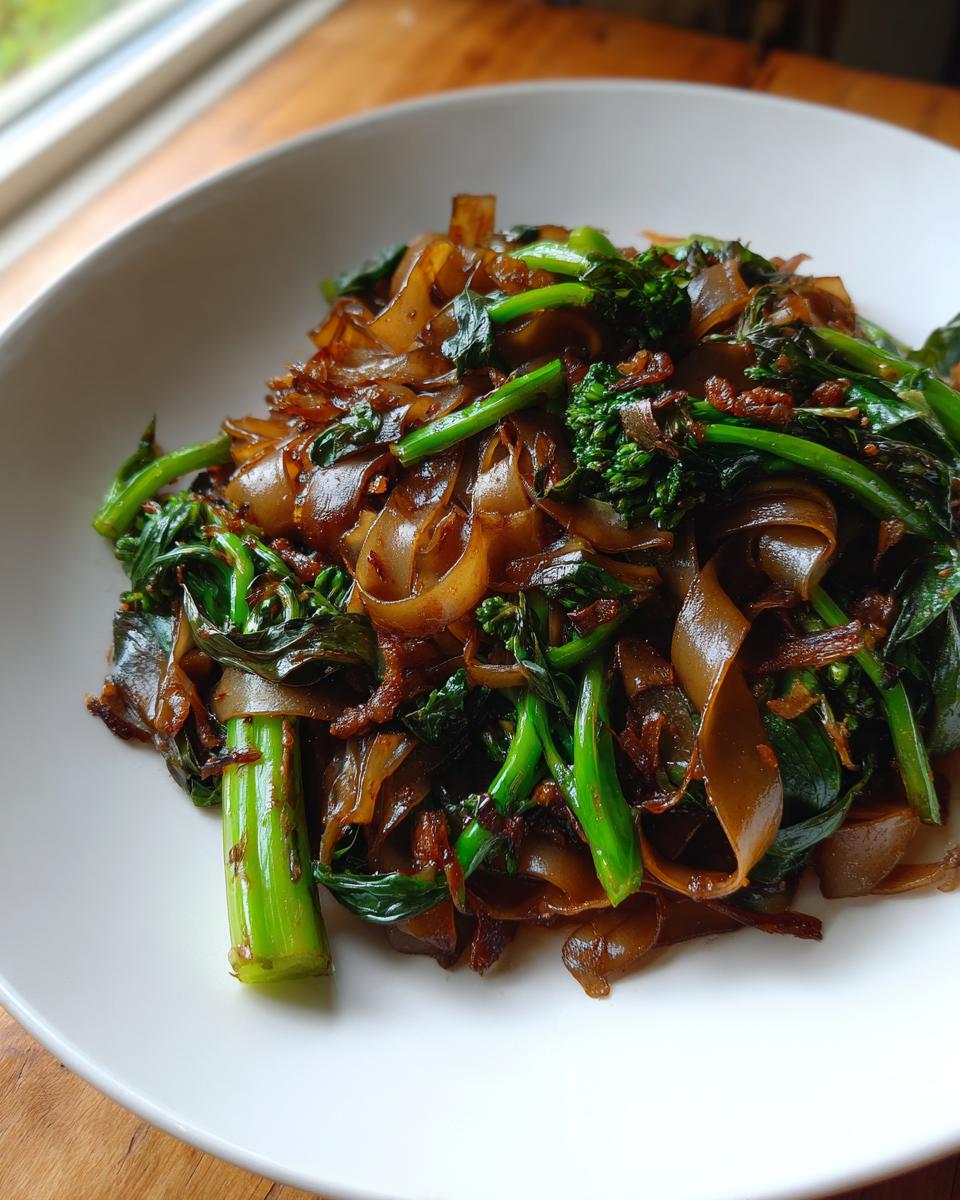
And for the heat? Chili tolerance varies so wildly, doesn’t it? This recipe is meant to be a proper savory spicy dinner, so I use a good amount of chilies. If you want it tamer, just scrape out those seeds before slicing the chilies; that takes out a huge chunk of the heat while letting you keep that fresh pepper flavor. You can even hold the chilies back until the very end if you are serving picky eaters!
If you’re looking for more comforting meal ideas that are just as simple to throw together, you should definitely check out my recipe for easy albondigas soup (Mexican meatball soup)!
Customizing Your Thai Noodle Stir Fry (Protein Variations)
I love that this recipe works so well no matter what protein you are feeling that day. It’s proof that the sauce really is the star of the show here! When you’re making your Thai noodle stir fry, the way you treat the protein matters a little bit depending on what you pick.
If you choose beef, make sure it’s sliced thinly against the grain—that helps keep it tender when you blast it on high heat. Shrimp cooks incredibly fast, so you might want to quickly sear it and pull it out even before the vegetables go in, because they don’t need more than a minute or two total cooking time, or they get rubbery! For the meat-free folks, making a vegan drunken noodles option is super easy. Just use firm extra-pressed tofu, cut into cubes or small triangles. I like to toss my tofu in a little cornstarch before it hits the wok; this helps it get a nice little crust on the outside before you add the sauce, mimicking that satisfying bite you get from meat.
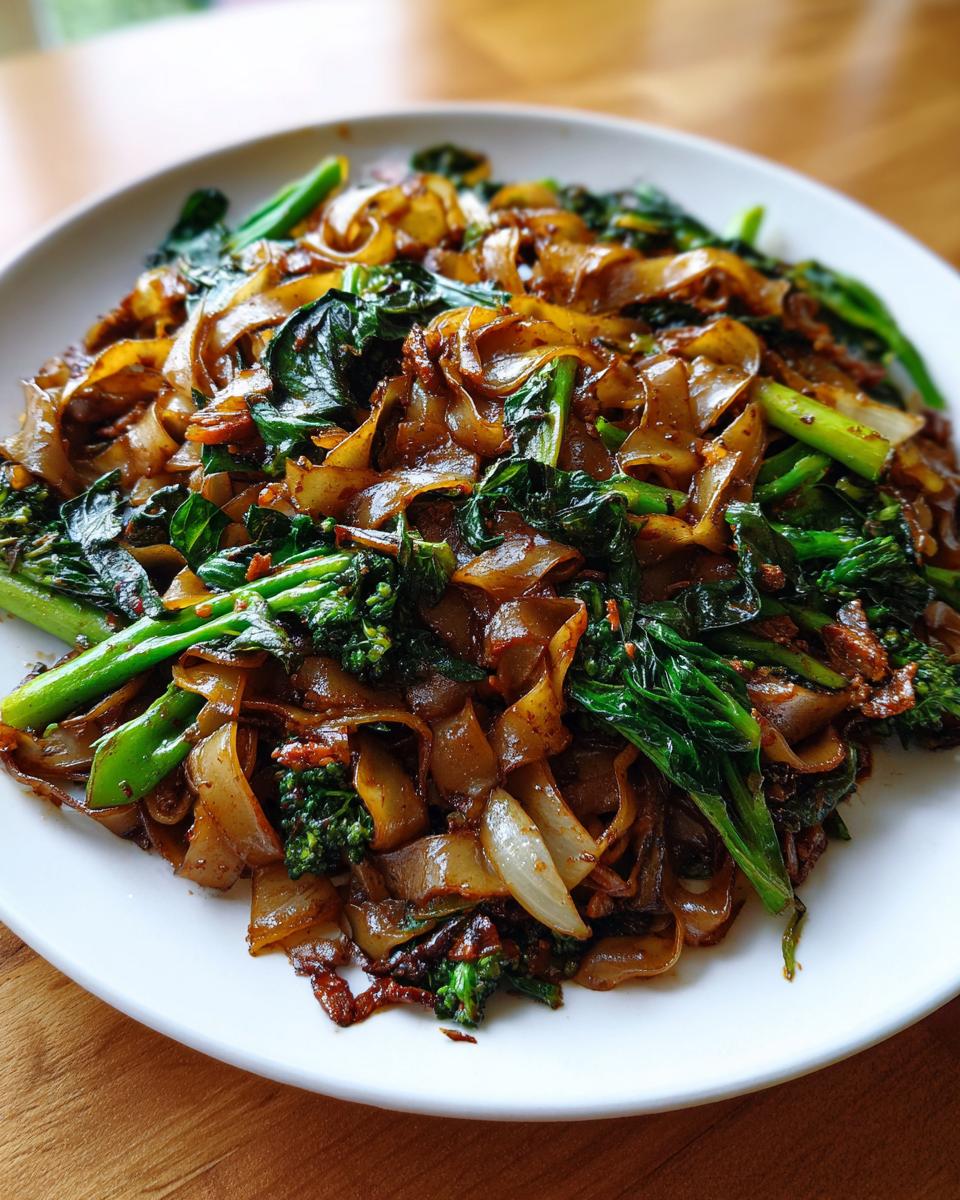
Honestly, trying different things is half the fun of adapting recipes. It’s like making a totally new experience every time you pull out the wok. If you’re exploring other Asian flavors next week, have a look at my recipe for Thai chicken salad recipe with crunchy peanut dressing!
Storage and Reheating Instructions for Leftover Thai Drunken Noodles
The only thing better than making a huge batch of these flavorful Thai drunken noodles is having leftovers the next day! Now, the noodles will definitely soak up some of that yummy sauce as they chill, so don’t expect them to look exactly like they did fresh out of the wok. Store any leftovers in a sealed container in the fridge for up to three days. Please, whatever you do, skip the microwave when reheating! The microwave just steams those great rice noodles until they get gummy. Instead, heat a teaspoon of oil in a skillet or tiny wok over medium-high heat, toss the noodles in, and stir-fry for just a minute or two until they are heated through. This quick toss brings back a bunch of that texture magic. If they seem a little dry, splash in just a tiny bit of water or soy sauce while tossing, and they’ll be perfect again! If you need a satisfying appetizer before your next big meal, you have to try my easy Rotel dip recipe.
Frequently Asked Questions About Making Pad Kee Mao Recipe
I get so many great questions after people try making my thai drunken noodles for the first time! Seriously, I love hearing from you all. It’s so rewarding knowing that you’re whipping up an authentic Thai noodles experience right on your weeknight schedule. Here are a few things I hear most often when folks are making this Pad Kee Mao recipe at home.
Is Pad Kee Mao traditionally spicy?
Yes, they absolutely are supposed to be spicy! That’s part of the fun, isn’t it? The name itself suggests a fiery dish, and that heat comes from those fresh Thai chilies—they bring a real, clean burn. When you’re testing out this recipe for the first time, remember what I said in the prep section: always remove the seeds if you want to dial the temperature down. But for the true experience of this Pad Kee Mao recipe, you need that spice to cut through all the savory sauce!
What kind of noodles work best for this Thai recipes dish?
For the absolute best texture in your Thai noodle stir fry, you want wide, flat rice noodles. If you can find them fresh, they are a dream because they require almost no prep other than gently separating them—they soak up flavor beautifully. If you are using the dried ones, make sure you don’t over-soak them! They need to be pliable but still have a little bit of firmness remaining. If they are floppy before they even hit the wok, they’ll turn to mush by the time you add the sauce. We need that chewiness for an authentic Thai noodles dish!
Can I use regular basil instead of Thai basil in this quick Thai dinner?
You totally can! I know Thai basil can be tricky to track down sometimes. If you have to make the swap for a quick Thai dinner, use sweet Italian basil instead. Just manage your expectations a tiny bit—Thai basil has that distinct, almost anise or clove-like aroma that is really classic in this dish. Regular basil is sweeter, which is still nice, but it changes the final aromatic profile a bit. It’s certainly not a dealbreaker, though! Just make sure you still toss it in right at the end when the heat is off so it stays brilliantly green. If you need another satisfying, easy meal idea, check out my recipe for easy chicken pot pie casserole!
Estimated Nutritional Snapshot for Thai Drunken Noodles
Now, listen up, because just because this thai drunken noodles recipe tastes like pure indulgence doesn’t mean it’s secretly blowing up your daily goals! Since we are making this such a wholesome addition to your meal rotation, it’s good to have a general idea of what’s in it. I pulled together an estimate for you based on using chicken breast as the protein, which is what I usually opt for when I’m making this as far from takeout, but remember, protein swaps always change things!
Keep in mind that these numbers are just a guide—if you use fattier beef or tons of extra oil, those numbers are going to jump up a bit. But for a flavor-packed, satisfying Pad Kee Mao recipe, I think these figures are pretty solid for a high-protein dinner. For more delicious ideas that fit well into your lifestyle, you can always peek at my main filing cabinet of healthy recipes!
- Serving Size: 1 serving
- Calories: Around 550
- Fat: Roughly 12g (with most of that being healthy unsaturated fat!)
- Protein: A great bump at 25g!
- Carbohydrates: About 95g (mostly from those satisfying rice noodles)
- Sugar: Low, just around 8g
- Sodium: Be mindful here, about 1100mg (this is where the soy/fish sauces add up)
This really shows you that your favorite spicy Thai stir fry can absolutely be part of a balanced meal plan. Enjoy every single bite!
Share Your Authentic Thai Noodles Creations
And that’s it, my friends! You have officially mastered the art of bringing street-style, absolutely dynamite thai drunken noodles right into your very own kitchen. Wasn’t that easier than you thought? I’m Sarah Jane Thompson, and bringing you authentic heirloom flavors that work in your busy life is exactly why I started Cookin’ Corner.
Now that you’ve mastered the high heat and nailed that smoky sauce coating, I would absolutely love to hear about it! Did you go all out with the chilies, or did you keep it milder for the family? Did you use fresh or dried noodles? Please, drop a rating below—five stars if your kitchen smells like a Bangkok street market right now! Leaving a comment also helps other cooks find this tried-and-true authentic Thai noodles recipe when they’re craving something amazing.
Don’t be a stranger! If you snapped a photo of your glorious plate of Pad Kee Mao, tag me on social media or reach out through my contact page. Seeing your successes—seeing you create those beautiful moments of shared joy around big bowls of spicy noodles—that’s what this corner is all about. Happy cooking, and talk to you soon!
PrintAuthentic 30-Minute Street Style Thai Drunken Noodles (Pad Kee Mao)
Make restaurant-quality Thai Drunken Noodles, also known as Pad Kee Mao, right in your kitchen. This quick recipe delivers the bold, spicy, and savory flavor of street food in about 30 minutes, perfect for a weeknight Thai dinner.
- Prep Time: 10 min
- Cook Time: 20 min
- Total Time: 30 min
- Yield: 4 servings 1x
- Category: Dinner
- Method: Stir-Frying
- Cuisine: Thai
- Diet: Vegetarian
Ingredients
- 1 pound wide rice noodles (fresh or dried)
- 1 tablespoon vegetable oil
- 8 ounces protein (chicken, beef, shrimp, or tofu), sliced
- 4 cloves garlic, minced
- 2–4 Thai chilies, sliced (adjust to your spice preference)
- 1/2 cup sliced onion
- 1 cup sliced bell pepper (any color)
- 1 cup Chinese broccoli (gai lan) or regular broccoli florets
- 1 cup fresh Thai basil leaves
- 1 tablespoon soy sauce
- 1 tablespoon dark sweet soy sauce
- 1 tablespoon oyster sauce (or vegetarian substitute)
- 1 teaspoon fish sauce
- 1 teaspoon sugar
- 1/2 teaspoon ground white pepper
Instructions
- If using dried rice noodles, soak them according to package directions until pliable but still slightly firm. Drain well. If using fresh noodles, separate them gently.
- Prepare the sauce: In a small bowl, whisk together the soy sauce, dark sweet soy sauce, oyster sauce, fish sauce, sugar, and white pepper. Set aside.
- Heat a wok or large skillet over high heat until very hot. Add the vegetable oil.
- Add your chosen protein and stir-fry quickly until cooked through. Remove the protein from the wok and set it aside.
- Add the minced garlic and sliced chilies to the hot wok. Stir-fry for about 15 seconds until fragrant, being careful not to burn the garlic.
- Add the onion, bell pepper, and broccoli. Stir-fry for 2-3 minutes until the vegetables are tender-crisp.
- Return the cooked protein to the wok. Add the prepared sauce mixture and toss everything together quickly.
- Add the rice noodles to the wok. Toss constantly for 1-2 minutes to coat the noodles evenly and allow them to absorb the sauce. This high-heat tossing helps create the smoky Thai noodles flavor.
- Remove the wok from the heat. Stir in the fresh Thai basil leaves until they just begin to wilt.
- Serve your homemade drunken noodles immediately.
Notes
- For the best smoky flavor, use the highest heat your stove allows when stir-frying the noodles and sauce.
- If you cannot find Thai basil, use regular sweet basil, but the flavor profile will change slightly.
- To make this a vegan drunken noodles option, substitute the oyster sauce with a vegetarian mushroom sauce and ensure your fish sauce substitute is vegan.
- If you prefer less heat, reduce the number of chilies or remove the seeds before slicing.
Nutrition
- Serving Size: 1 serving
- Calories: 550
- Sugar: 8
- Sodium: 1100
- Fat: 12
- Saturated Fat: 2
- Unsaturated Fat: 10
- Trans Fat: 0
- Carbohydrates: 95
- Fiber: 4
- Protein: 25
- Cholesterol: 50