

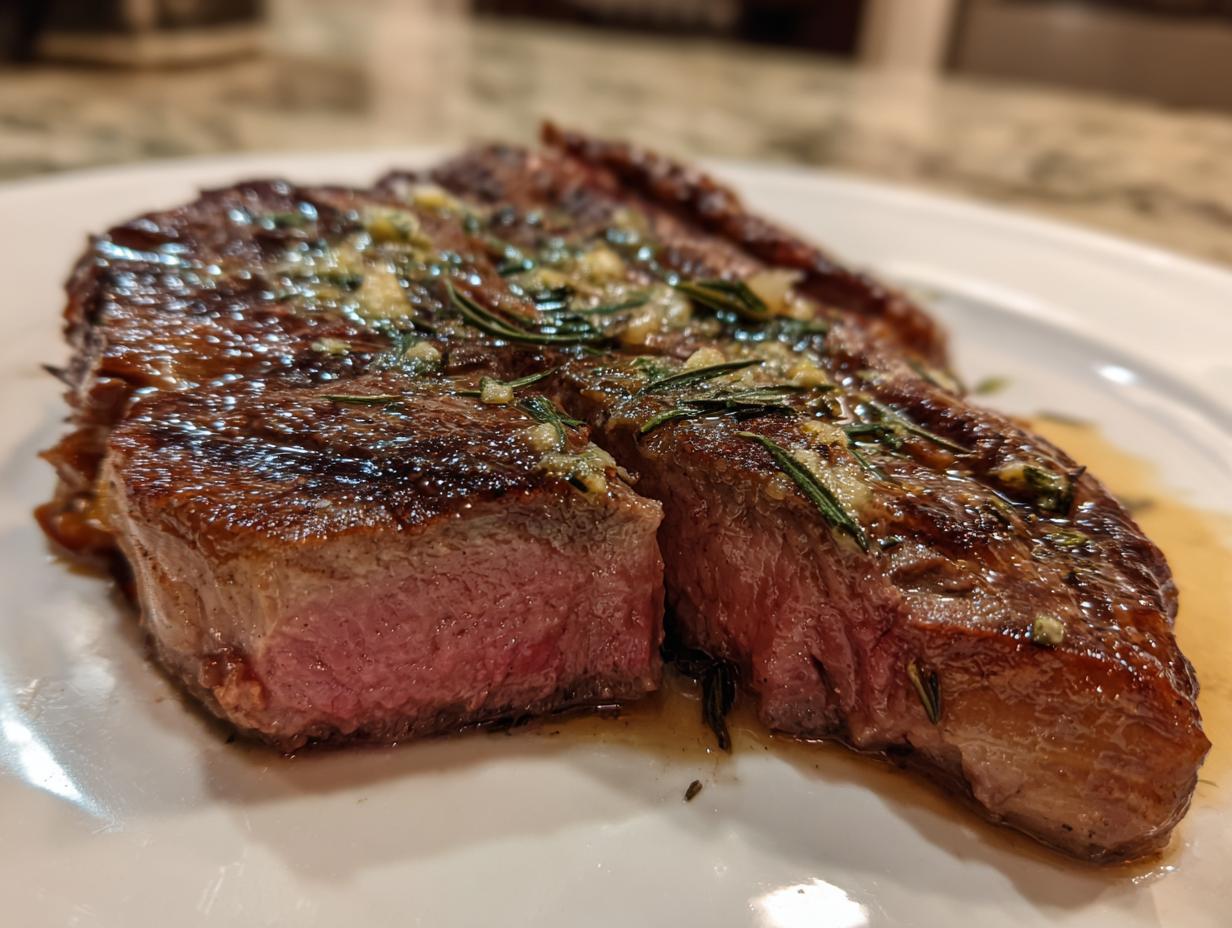
You know that feeling when you bite into a ribeye steak in a top-tier restaurant? That shattering crust that gives way immediately to a perfectly rosy, juicy inside? I’m here to tell you, dear friend, that feeling doesn’t need a fancy reservation. Mastering the perfect ribeye steak is simpler than you think, and it all comes down to technique, not complicated fancy stuff. Here at Cookin’ Corner, we honor the tried-and-true methods that turn the everyday into something special. This pan-seared ribeye steak recipe is our go-to for guaranteeing that steakhouse quality crust and incredible tenderness time after time. If you’re looking for impressive ideas beyond this incredible steak, check out my recipe for steak crostini! Trust me, once you get this down, you won’t be ordering steak out nearly as much!
- Why This Cast Iron Ribeye Steak Recipe Delivers Steakhouse Quality
- Essential Ingredients for Your Best Ribeye Steak Recipe
- Step-by-Step How to Cook Ribeye Steak on the Stove
- Tips for Mastering Cast Iron Ribeye Tips
- Alternative Cooking Methods for a Tender Beef Steak
- Serving Suggestions for Your Steakhouse Quality Steak at Home
- Storage and Reheating Instructions for Leftover Ribeye Steak
- Frequently Asked Questions About Cooking Ribeye Steak
- Nutritional Estimates for This Ribeye Steak
- Share Your Perfect Ribeye Steak Creation
Why This Cast Iron Ribeye Steak Recipe Delivers Steakhouse Quality
I’ve cooked a lot of steaks over the years, and I’ve learned that when it comes to a great ribeye steak, it’s all about controlling the variables. This method isn’t fancy, but it’s reliable, which is what we aim for here at Cookin’ Corner. We want steakhouse quality without the stress! If you need a hearty, warming dish after your steak, you’ve got to try my easy cottage pie recipe.
Achieving the Perfect Steak Crust
The crisp, dark exterior—that beautiful brown crunch—is called the Maillard reaction, and you can’t rush it. My secret here is using the heaviest pan I own—the cast iron—and heating it until it’s screaming hot. If the pan isn’t hot enough, the steak just steams instead of searing. We need that high heat to build a perfect steak crust that locks in all the beefy flavor, making this the best ribeye steak recipe around.
The Secret to a Juicy Ribeye Technique
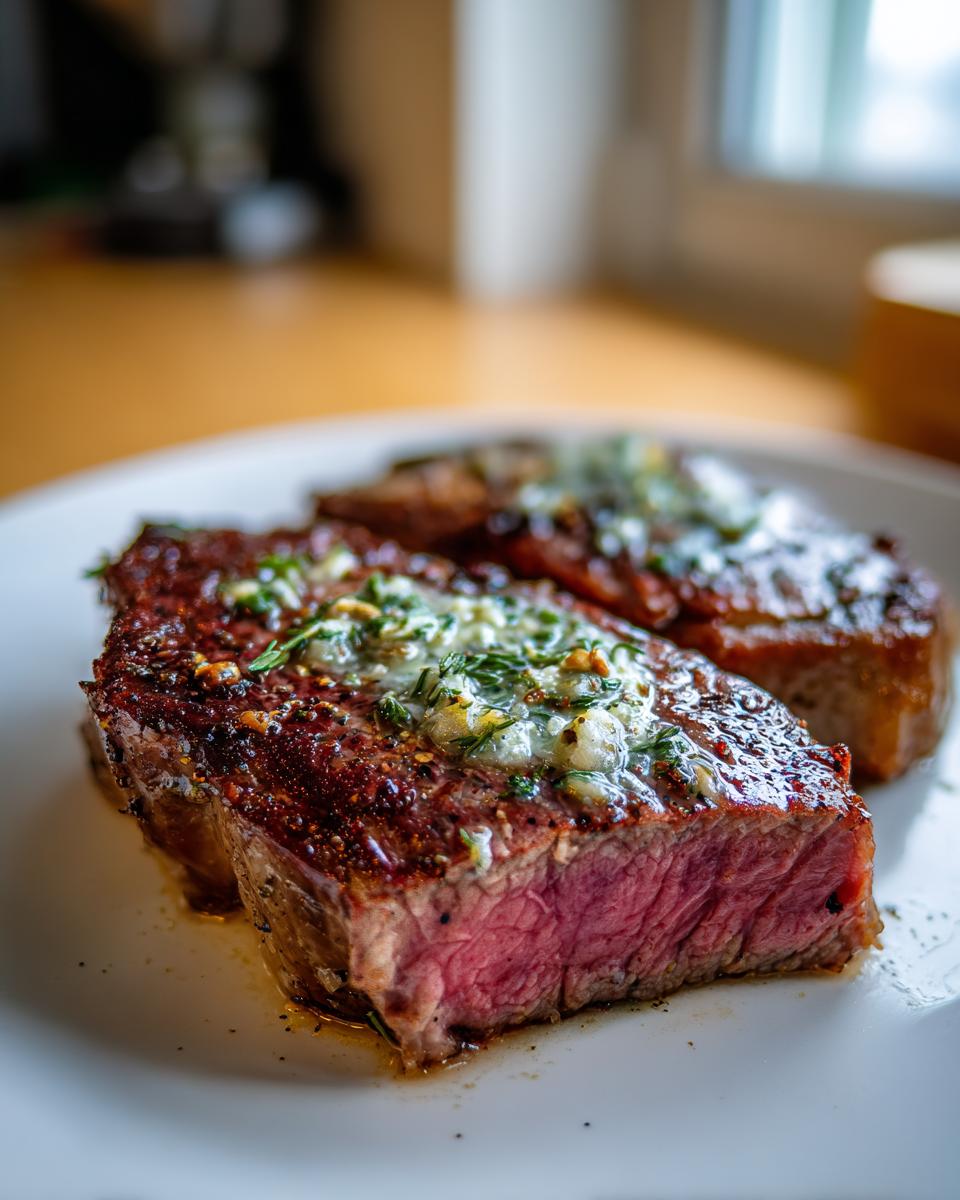
Once that crust is set, we switch gears entirely! This is where the butter basting comes in. Constantly spooning that melted butter, garlic, and herbs over the top keeps the surface moist while the inside cooks evenly. That’s the real juicy ribeye technique! We pull it right when the thermometer hits 130°F because we are aiming for that glorious, tender medium rare steak center.
Essential Ingredients for Your Best Ribeye Steak Recipe
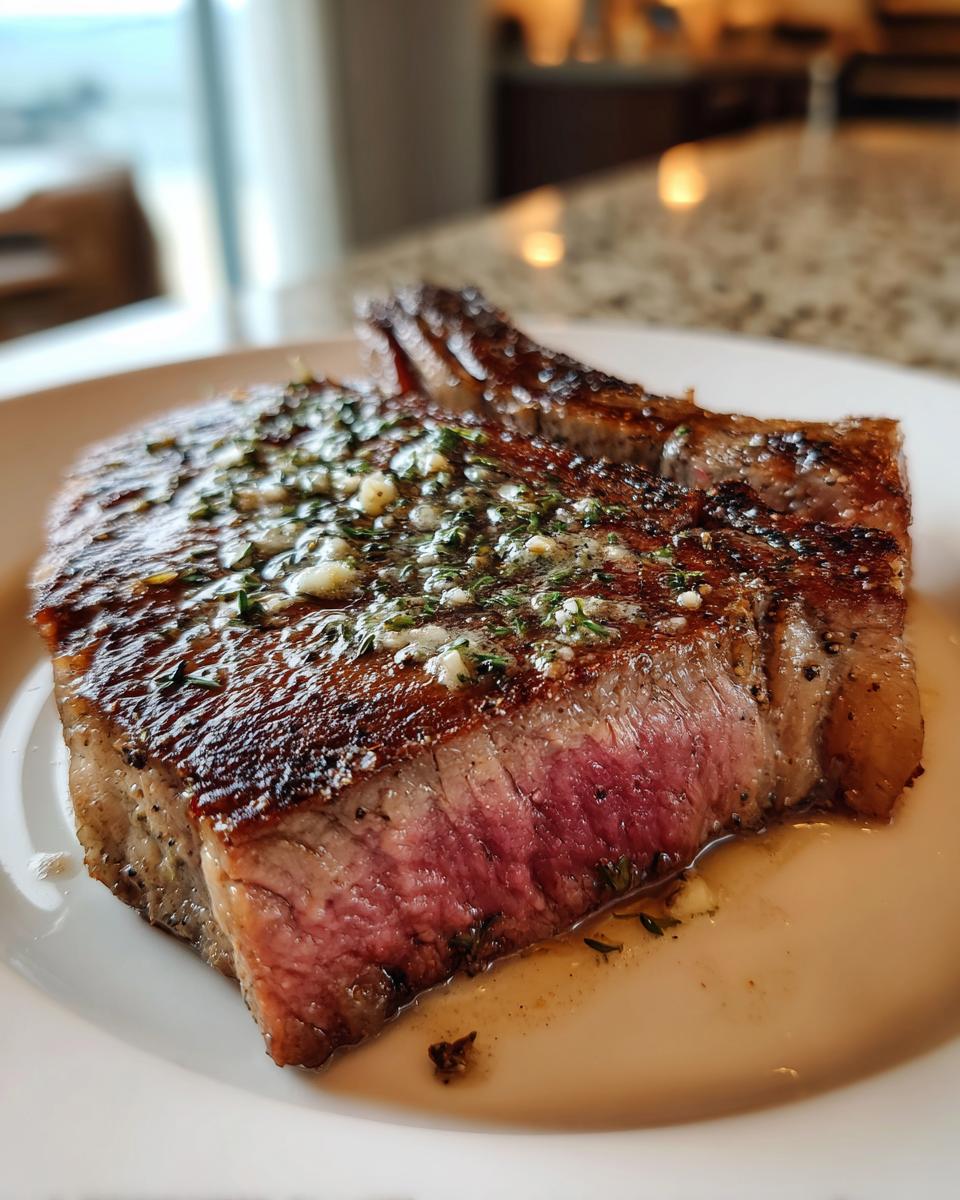
When we talk about making the best ribeye steak recipe, every single ingredient matters. We aren’t messing around with tiny little thin steaks here; these need some thickness to hold up to the high heat and the basting, which is why being specific about what you buy is key. Don’t skip the resting step either—that makes all the difference in achieving that buttery, tender texture. After you’re done with this amazing steak, imagine serving it alongside some luscious creamy garlic mashed potatoes!
Here is exactly what you need to gather for two spectacular steaks:
- 2 (1.5-inch thick) ribeye steaks, bone-in or boneless
- 2 tablespoons coarse kosher salt
- 1 teaspoon black pepper
- 2 tablespoons high-heat cooking oil (I love avocado or grapeseed for this!)
- 4 tablespoons unsalted butter
- 4 cloves garlic, smashed flat—don’t mince them!
- 3 sprigs fresh thyme
- 2 sprigs fresh rosemary
See? Nothing too complicated! It’s honestly just about using good quality beef and treating it right with the right supporting cast elements. That coarse salt is non-negotiable, by the way; it grips the meat better and helps draw out that wonderful moisture for the sear.
Step-by-Step How to Cook Ribeye Steak on the Stove
Alright, this is where the magic happens! We’re not just throwing things in a pan; we are building flavor layer by layer. Follow these steps for how to cook ribeye steak and you’ll never look back. If you want a great dipping sauce for your steak later, I have a fantastic creamy garlic sauce recipe that goes perfectly!
Preparation: Drying and Seasoning the Ribeye Steak
The minute you pull those beauties out of the fridge, set them on the counter for a full hour to temper. They need to come up closer to room temperature for even cooking. Once they’re warmed up a bit, you absolutely have to pat those steaks bone dry with paper towels. I mean it—dry as a bone! Any surface moisture will fight the heat, and heating moisture is what stops you from getting that glorious, crisp perfect steak crust we keep talking about. After drying, season them heavily, like you mean it, with salt and pepper on both sides.
The High-Heat Sear and Garlic Butter Steak Baste
Get your cast iron skillet ripping hot over high heat. Add your high-heat oil and wait until you see just a wisp of smoke, that means it’s ready to work. Lay the steaks gently away from you so you don’t get splattered. Don’t touch them! Let them sit for three or four minutes to build that major sear. Once you flip them, immediately toss in the butter, the smashed garlic, rosemary, and thyme. Now, tilt that pan slightly so the herb butter pools up, and start spooning it over the steak again and again. That’s our garlic butter steak bath!
Checking Doneness and Resting the Ribeye Steak
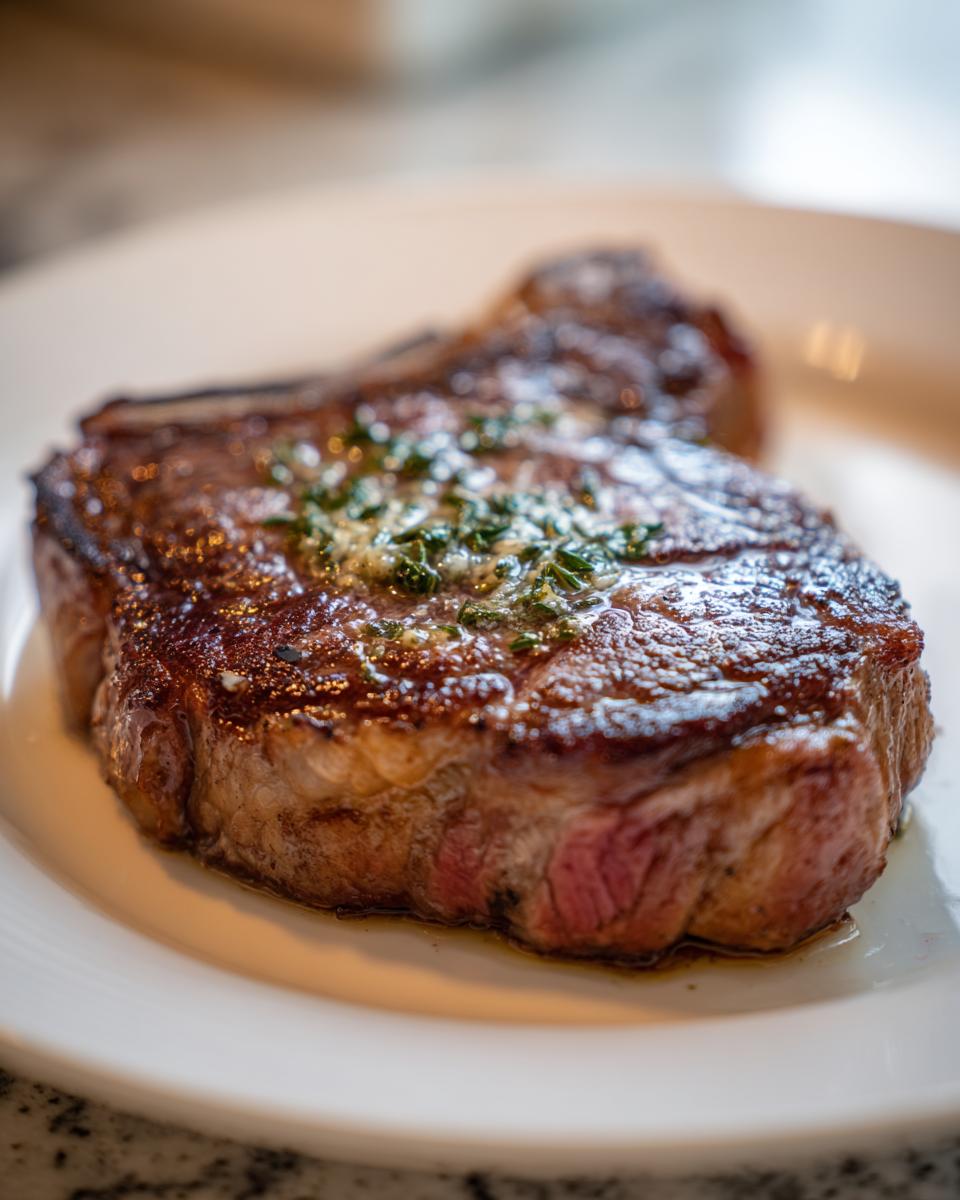
Keep flipping and basting for another minute or two. For the best result, trust a thermometer! For a beautiful medium rare steak, you want to pull it off the heat right between 130°F and 135°F. They’ll keep cooking once they leave the heat, which is important. Then, and this is the hardest part after smelling that amazing steak, you must transfer them to a cutting board and tent them loosely with foil for at least 10 minutes. This rest is key to the juicy ribeye technique—it lets the juices redistribute throughout the meat so they don’t all spill out when you slice it.
Tips for Mastering Cast Iron Ribeye Tips
Now that you know the basic method for your ribeye steak, I want to give you a few of my little tricks that I’ve picked up over the years—these are the real garlic herb roasted veggies secrets that elevate it from good to gasp-worthy. The biggest note from the recipe is about the thermometer; please, please, please use one! I once completely ruined a gorgeous bone-in steak for my husband because I thought I could just ‘feel’ when it was done. I pulled it off too early, aiming for medium-rare, and it ended up being closer to rare-blue because I didn’t account for carryover cooking! It was still tasty, but definitely not the steakhouse quality we were aiming for that night.
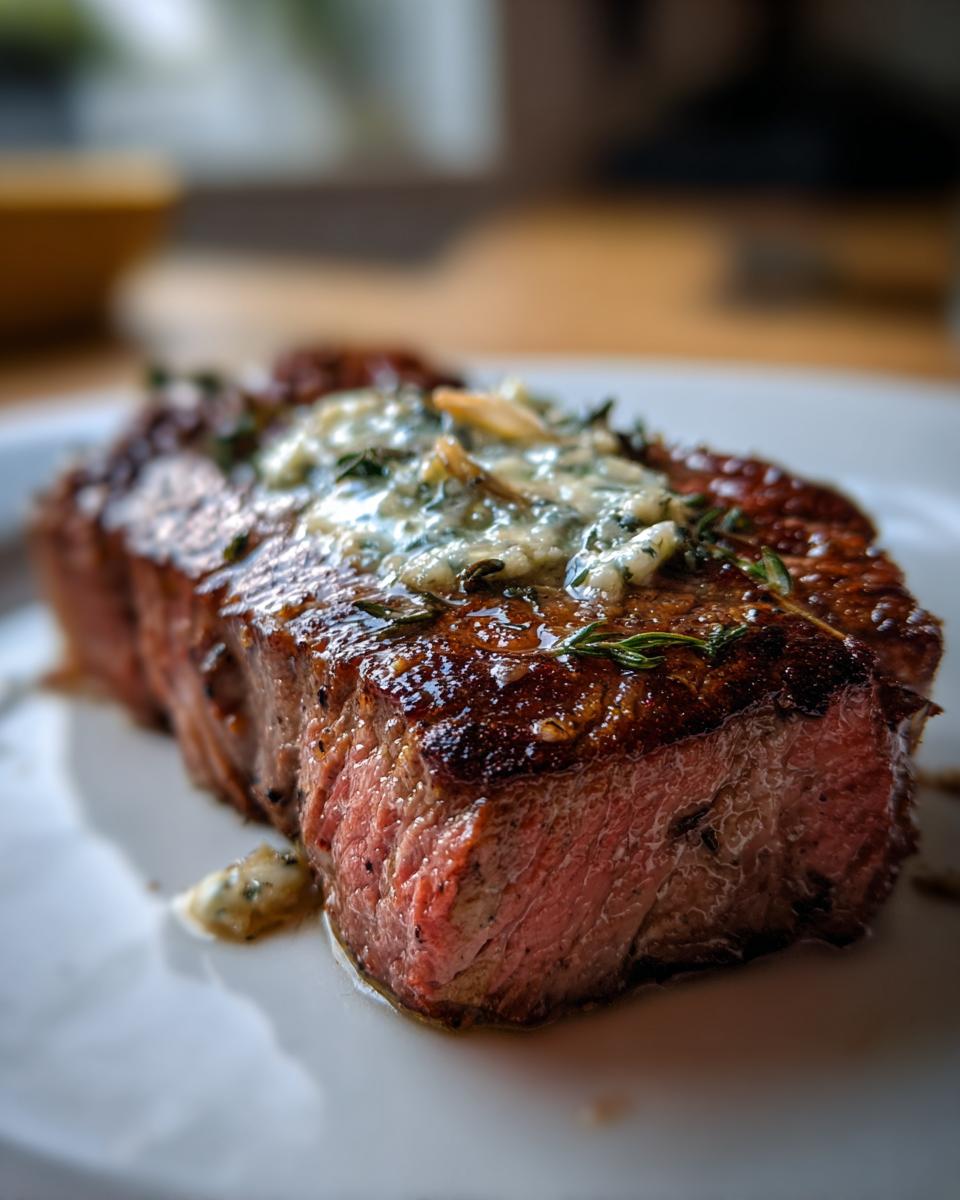
Remember to always pull the steak a few degrees early, like 5 degrees, before you hit your target temperature on the thermometer. That residual heat in the steak does the final work while it rests, making sure you get that perfectly juicy center every single time. That little bit of patience during the rest pays off huge!
Alternative Cooking Methods for a Tender Beef Steak
While I absolutely adore the roar of the cast iron skillet for a quick pan-seared ribeye steak, I know sometimes those cuts are just too thick, or maybe you need to cook several at once without overcrowding the pan. That’s when we look to other reliable methods. I want you to be able to serve a stunning, tender beef steak no matter your equipment!
If you’re looking for something that cooks incredibly evenly and requires less active hovering over the stove, the reverse sear is a genuine game-changer. It’s what I use when I have a massive, gorgeous two-inch thick bone-in ribeye that I don’t trust me to get perfect just on the stovetop. For a different kind of hearty meal, check out my recipe for crockpot French onion meatloaf. It’s comfort food central!
Reverse Sear Ribeye Guide for Thick Cuts
The beauty of the reverse sear is that you essentially slow-cook the steak first, bringing it gently up to temperature almost perfectly edge-to-edge. You start by baking the seasoned ribeye steak in an oven set low—like 250°F should do it. You bake it until it’s about 10 degrees shy of your target temperature. For me, that means pulling it when the thermometer reads about 120°F for ultimate medium-rare.
Once it’s reached that gentle warmth, you bring out that hot cast iron skillet again—still screaming hot!—add your oil, and give that steak a very quick (maybe 60 to 90 seconds per side) blast of searing heat. That final sear builds that gorgeous brown color and crust when the internal temperature is basically already set. It results in the most unbelievably tender beef steak you’ll ever have!
Serving Suggestions for Your Steakhouse Quality Steak at Home
Once you’ve nailed that perfect sear and rested your amazing ribeye steak, the plating begins! Since we’re focusing on that classic, hearty American home cooking vibe here at the Corner, the sides should be just as comforting but still elegant enough for a special dinner. You don’t want anything too delicate to compete with that rich beef flavor; you want things that can stand up to that herb butter running off the plate!
If you made an incredible side that wasn’t on this list—maybe a big, crisp salad or some roasted asparagus—I’d love to hear about it in the comments! But for reliable winners that always wow, these are my top choices:
- Creamy Sides: Nothing beats a rich, creamy side to soak up those steak juices. My favorite is my Boursin mashed potatoes—they are ridiculously decadent and just the right amount of tangy to cut through the fat of the ribeye.
- Roasted Root Vegetables: If you want something a little earthier that complements the rosemary and thyme we used in the basting, roasted carrots and parsnips are fantastic. They caramelize up sweet in the oven, which pairs beautifully with the savory crust.
- A Simple Starchy Bite: Sometimes you just need something easy. If you’re feeling ambitious, you could try my crockpot French onion meatloaf sauce ingredients simmered down over some fluffy rice, but honestly, crusty bread to wipe the plate clean is always a winner too!
Serve your steak sliced against the grain with a sprinkle of flaky sea salt on top. Enjoy every single bite of that steakhouse quality steak at home!
Storage and Reheating Instructions for Leftover Ribeye Steak
Oh, the miracle of leftover steak! When you cook a perfect ribeye steak this well, you hope for leftovers, right? But the way you store and reheat it makes a huge difference in whether it tastes like it did fresh off the skillet or like shoe leather. My rule of thumb for storing any leftover beef, especially a rich cut like ribeye, is to treat it gently so we save that juiciness we worked so hard to achieve.
First, make sure the steak is completely cool before it goes into the fridge. Storing warm meat traps moisture and leads to sogginess, which is the enemy of a good crust, even if we can’t perfectly restore the sear. Wrap the cooked, sliced steak tightly—I prefer using cling wrap followed by a layer of foil—and tuck it into the coldest part of your refrigerator. It should stay perfectly fine for about three to four days max.
The Best Way to Reheat Ribeye Steak
You absolutely cannot put this gorgeous steak in the microwave unless absolute speed is your only goal. That will ruin that tender beef steak texture in seconds! The goal when reheating any leftover steak is low and slow heat to gently bring the internal temperature up without overcooking the edges. If you try to pan-sear it again, it will get tough right away.
My favorite method, which works best for slices of ribeye steak, is the oven method. Set your oven to a really low temperature—think 250°F or even lower if you’re nervous. Lay the slices of steak on a baking sheet. You can add just a tiny drizzle of beef broth or water underneath them, but don’t drown them! Cover the pan well with foil to trap the steam. Bake them just until they are warm all the way through, maybe 10 to 15 minutes depending on how thick they were. Using a thermometer to ensure they don’t pass 125°F keeps them tasting like a true steakhouse quality steak at home success!
Using Leftover Steak in Other Recipes
Honestly, sometimes reheating just isn’t the same, but that doesn’t mean the steak is wasted! Leftover pan-seared ribeye is fantastic when its texture changes serving style. It adds incredible richness to other meals. Think about slicing it thin and using it right on top of a big green salad instead of chicken, or chopping it up to throw into an omelet the next morning. It would also be amazing in a quick-and-easy easy steak dinner recipe served over rice or maybe even folded into some quesadillas!
The absolute key is gentle heat. Treat that leftover beef like it’s precious, because it is!
Frequently Asked Questions About Cooking Ribeye Steak
I get so many questions about this recipe, which is wonderful! It just shows how much you all want to master cooking the ribeye steak perfectly at home. If you want more inspiration for weeknights, just click over to my easy dinner ideas page after you’ve conquered this steak! Here are the most common things folks ask when trying to make an easy steak dinner.
Can I use a non-stick pan instead of cast iron for my ribeye steak?
Oh, honey, please don’t! I know non-stick is easy to clean, but you simply won’t get the heat retention you need for that incredible, dark perfect steak crust. Cast iron holds onto heat like nothing else, which is crucial for searing that thick cut. If you don’t have cast iron, use the heaviest stainless steel skillet you bravely own. A thin non-stick pan will just cool down too fast when the cold steak hits it and you’ll end up boiling your beautiful beef rather than searing it.
What is the safest way to check for Medium Rare Steak doneness?
The safest and most reliable way to know exactly when your steak is done—especially when you’re aiming for that perfect medium rare steak—is using an instant-read meat thermometer. You can guess by poking it, but a thermometer removes all the guesswork! Remember what I said above: pull it off the heat about 5 degrees shy of your final target, because it keeps cooking while resting. That little bit of extra time is vital for that tender finish.
Can I skip the 1-hour resting period for my ribeye steak?
If you skip the resting period, you are basically saying goodbye to all the work you just did! When meat is cooking, the muscle fibers tense up and push all the delicious, flavorful juices toward the center. If you cut into it the second it leaves the pan, all that precious liquid floods out onto your cutting board, leaving you with a dry steak. Giving it 10 minutes lets those fibers relax and reabsorb the juices, which is the cornerstone of the whole juicy ribeye technique!
Nutritional Estimates for This Ribeye Steak
Now, I know that when we’re making the best ribeye steak recipe, we aren’t usually worrying too much about macros—the flavor is the main event! But just so you know what you are working with for this rich cut of beef, I’ve listed the estimated nutritional breakdown for one serving using the recipe measurements. This is a rich, high-protein meal, perfect for making you feel satisfied!
Please know that these numbers are just estimates, naturally. What kind of fat you trim off, the brand of butter you use, and exactly how much salt you choose to put on top will change these numbers slightly. But this gives you a real good starting point for this truly delicious easy steak dinner!
- Serving Size: 1 steak
- Calories: 750
- Protein: 60g
- Fat: 55g
- Saturated Fat: 25g
- Carbohydrates: 0g
- Sugar: 0g
- Cholesterol: 250mg
As you can see, this is a powerhouse of protein! It’s definitely a meal where the fat content is high, given that the whole point of a great ribeye steak is that lovely marbling that keeps it tasting so great. That glorious fat content is what makes the juicy ribeye technique so successful!
Share Your Perfect Ribeye Steak Creation
Now that you know all my secrets for achieving that unbelievably delicious, crusty, and juicy ribeye technique, the most important part is getting your own pan smoking hot and trying it out! Honestly, there is nothing that makes me happier here at Cookin’ Corner than hearing when one of my reliable recipes works perfectly for you at home.
I want to see what you create! Did you nail that perfect medium-rare center? Did your family notice the difference that butter-and-herb basting made? Please, jump down into the comments below and tell me how your ribeye steak turned out. It means the world to me when you share your kitchen successes; it solidifies for me that these tried-and-true home cooking methods deserve to stick around!
If you loved this recipe and want to send me a private note or ask something specific that didn’t get covered here, feel free to zip on over and use my contact page. Otherwise, hit those stars and let everyone know what you thought of this cast iron ribeye method!
Happy cooking, and I can’t wait to hear about your steak!
PrintThe Perfect Cast Iron Ribeye Steak: Juicy and Tender Every Time
Learn the foolproof method for cooking a restaurant-quality ribeye steak at home using a cast iron skillet. Achieve a deep, perfect steak crust and a consistently juicy, medium-rare center.
- Prep Time: 15 min
- Cook Time: 15 min
- Total Time: 30 min
- Yield: 2 servings 1x
- Category: Dinner
- Method: Pan Searing
- Cuisine: American
- Diet: Low Fat
Ingredients
- 2 (1.5-inch thick) ribeye steaks, bone-in or boneless
- 2 tablespoons coarse kosher salt
- 1 teaspoon black pepper
- 2 tablespoons high-heat cooking oil (like avocado or grapeseed)
- 4 tablespoons unsalted butter
- 4 cloves garlic, smashed
- 3 sprigs fresh thyme
- 2 sprigs fresh rosemary
Instructions
- Remove the ribeye steaks from the refrigerator 1 hour before cooking. Pat them completely dry with paper towels. This step is crucial for a perfect steak crust.
- Season both sides of the steaks generously with coarse kosher salt and black pepper.
- Place a heavy cast iron skillet over high heat. Add the cooking oil and heat until it just begins to smoke slightly.
- Carefully place the seasoned steaks into the hot skillet. Sear undisturbed for 3 to 4 minutes until a deep brown crust forms.
- Flip the steaks. Immediately add the butter, smashed garlic, thyme, and rosemary to the skillet.
- Tilt the skillet slightly so the melted butter pools on one side. Use a large spoon to continuously baste the butter mixture over the top of the steaks for 1 to 2 minutes.
- Continue cooking, flipping every minute and basting, until the steak reaches your desired internal temperature for medium-rare (130°F to 135°F). This usually takes about 3 to 5 minutes more, depending on thickness.
- Remove the steaks from the skillet and place them on a cutting board. Tent loosely with foil. Let the steaks rest for 10 minutes before slicing against the grain.
- Slice the steak and spoon any remaining garlic herb butter from the pan over the slices before serving.
Notes
- For the best results, use a meat thermometer to check the internal temperature. Pull the steak off the heat about 5 degrees below your target temperature, as it will continue to cook while resting.
- Salting the steak well ahead of time is the secret to a great sear.
- If you prefer a reverse sear ribeye technique for very thick cuts, cook the steak in a low oven (250°F) until 10 degrees below target, then sear in the hot cast iron skillet.
Nutrition
- Serving Size: 1 steak
- Calories: 750
- Sugar: 0
- Sodium: 1200
- Fat: 55
- Saturated Fat: 25
- Unsaturated Fat: 30
- Trans Fat: 1
- Carbohydrates: 0
- Fiber: 0
- Protein: 60
- Cholesterol: 250