

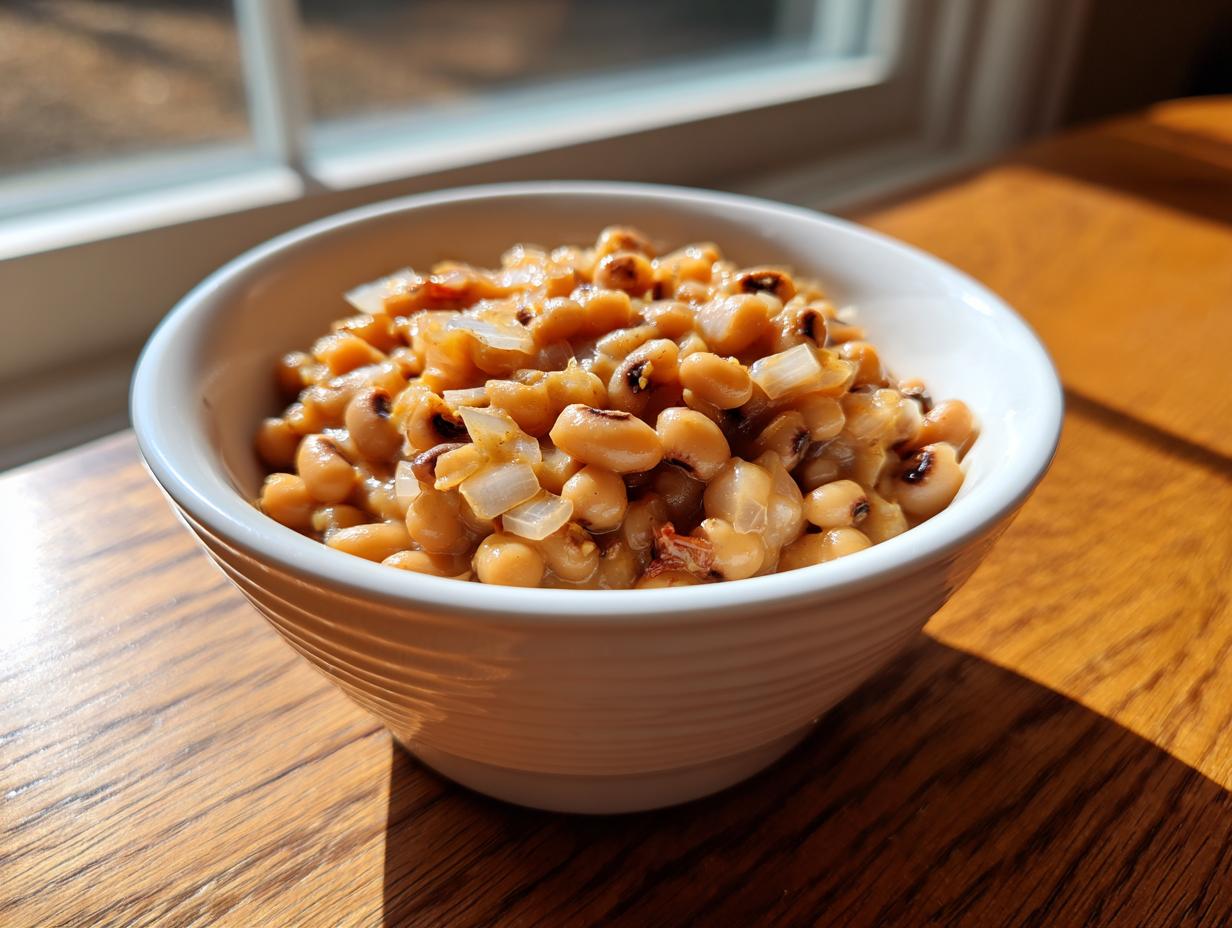
If you’re like me, you look forward to January 1st not just for a fresh start, but for the promise of prosperity that comes from a big bowl of beans! Seriously though, if you want that good luck feeling baked right into your dinner plate, you need a recipe that truly honors tradition. Forget those watery, bland versions you might have tried before. I’m giving you my absolute classic, smoky Southern black eyed peas recipe that somehow manages to be perfectly tender and undeniably creamy all at the same time.
This isn’t just another list of steps; this is the foundational technique I learned in my grandmother’s kitchen, passed down through generations of home cooks who knew how to coax the best flavor out of humble ingredients. Trust me, once you master this stovetop method, you won’t look back. For more on the heart behind these tried-and-true Midwestern-turned-Southern recipes, you can always read a little about our story over at Cookin’ Corner.
- Why This Southern Black Eyed Peas Recipe Works Every Time
- Gathering Ingredients for Your Black Eyed Peas Recipe
- How to Prepare Traditional Black Eyed Peas Recipe on the Stovetop
- Alternative Cooking Methods for Your Black Eyed Peas Recipe
- Making This Black Eyed Peas Recipe Vegetarian and Vegan
- Serving Suggestions for This Flavorful Bean Recipes Side Dish
- Storage and Reheating Instructions for Leftover Black Eyed Peas Recipe
- Frequently Asked Questions About How to Cook Black Eyed Peas
- Estimated Nutritional Data for This Black Eyed Peas Recipe
- Share Your Thoughts on This Traditional Black Eyed Peas Recipe
Why This Southern Black Eyed Peas Recipe Works Every Time
When people ask me what makes this actual black eyed peas recipe different from something you might grab out of a can, I always point back to two concepts: smoke and time. We are building layers of flavor here, just like they did back home. This method, passed down to me, guarantees that satisfying soul food depth every single time you make them.
Achieving Smoky Black Eyed Peas Flavor
The secret sauce, literally, comes from the cured meat. Using a full ham hock or even just diced bacon introduces that essential background smokiness that just screams ‘Southern cooking.’ This richness coats every single bean during that long simmer. Now, if you’re making the vegetarian version—which I love for a Tuesday dinner—you absolutely have to sub in smoked paprika. A full teaspoon added with the thyme seriously tricks your brain into thinking there’s smoked meat in there. It’s pure magic!
Tips for Truly Creamy Black Eyed Peas Texture
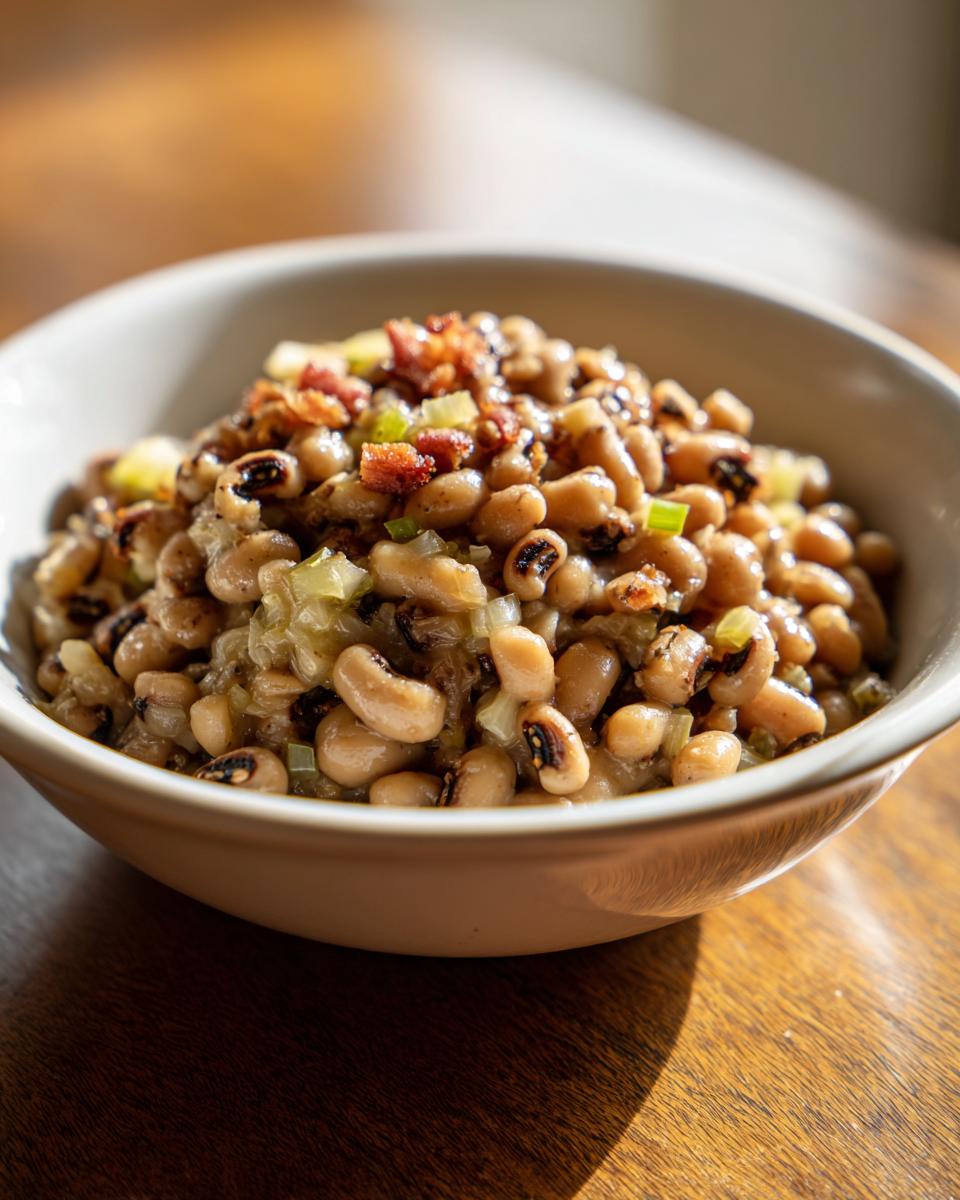
Tender is good, but creamy is what separates the good peas from the *great* peas. The key to achieving those truly creamy black eyed peas texture is giving them patience through that slow simmer. But here’s my home-cook trick: Once they are mostly tender, take about a quarter cup of those cooked beans, mash them totally flat against the side of your pot with a wooden spoon, and stir that mush back into the pot. It thickens up the broth naturally without needing any flour!
Gathering Ingredients for Your Black Eyed Peas Recipe
Okay, time to shop! I’ve laid out what you need for this classic stovetop pot below. Remember, quality matters here, especially since we’re letting these low and slow flavors do their work. You’ll need one pound of dried black eyed peas—make sure you rinse them well and pick out any little stones you find. Trust me, no one wants a crunchy surprise!
For the meat version, grab that smoked ham hock or some fatty bacon for depth. If you’re sticking to the vegetarian black eyed peas recipe approach, you know we swap that out for vegetable broth and the secret weapon, smoked paprika, which I mentioned before.
Ingredient Clarity and Substitutions
When you grab your broth, try to find a low-sodium option because we are adding salt later, and we want to control the final sodium level. The apple cider vinegar might seem odd, but it’s vital! It gets added right at the end, and that little splash of acid really brightens up the whole earthy flavor profile. For the spices, dried thyme and a bay leaf are non-negotiable for that authentic taste. You absolutely want dried peas here; using canned ones just won’t give you that soft, creamy breakdown we are aiming for.
How to Prepare Traditional Black Eyed Peas Recipe on the Stovetop
Alright, here is where the magic happens—the stovetop ritual. This process takes a little bit of time, clocking in right around an hour and forty-five minutes total once you get going, but don’t let that scare you! Most of that time is just hands-off simmering. We break this black eyed peas recipe into three easy stages so you never miss a beat.
First, get those rinsed peas into your biggest pot or Dutch oven along with about six cups of water or your broth. If you are using that ham hock or the diced bacon for deep flavor, throw it in right at this first boil! Bring the whole thing up to a rolling boil over high heat, then immediately knock it down to a gentle simmer. Cover it up, and let those peas soften for about one full hour. If you see any foamy stuff floating on top during the first half hour, just skim it off—it helps keep the final texture clean.
Building the Flavor Base: Sautéing Vegetables
While those peas are chilling out in the pot, we need to wake up our vegetables. This happens in a separate skillet, and this step is non-negotiable for great Southern flavor! Heat up just a tablespoon of oil (or use some of the bacon fat if you used bacon) over medium heat. Toss in your chopped onion, celery, and green bell pepper—this is the holy trinity down here! You want these softened up beautifully, nice and floppy, which takes about five to seven minutes. Don’t rush this part! When they are just about done, toss in that minced garlic. Garlic burns fast, so only let it hang out for maybe sixty seconds until you can really smell it. That aromatic blend is what gives your final dish its backbone.
Now, dump that sautéed veggie mix right into the simmering pot of peas. Add your thyme, the bay leaf, and some black pepper. Give it a good stir, cover it again partially, and let it go for another forty-five minutes to an hour. They should be fork-tender and starting to look thick and creamy by the time this second simmer is done.
Finishing Touches and Seasoning Adjustments
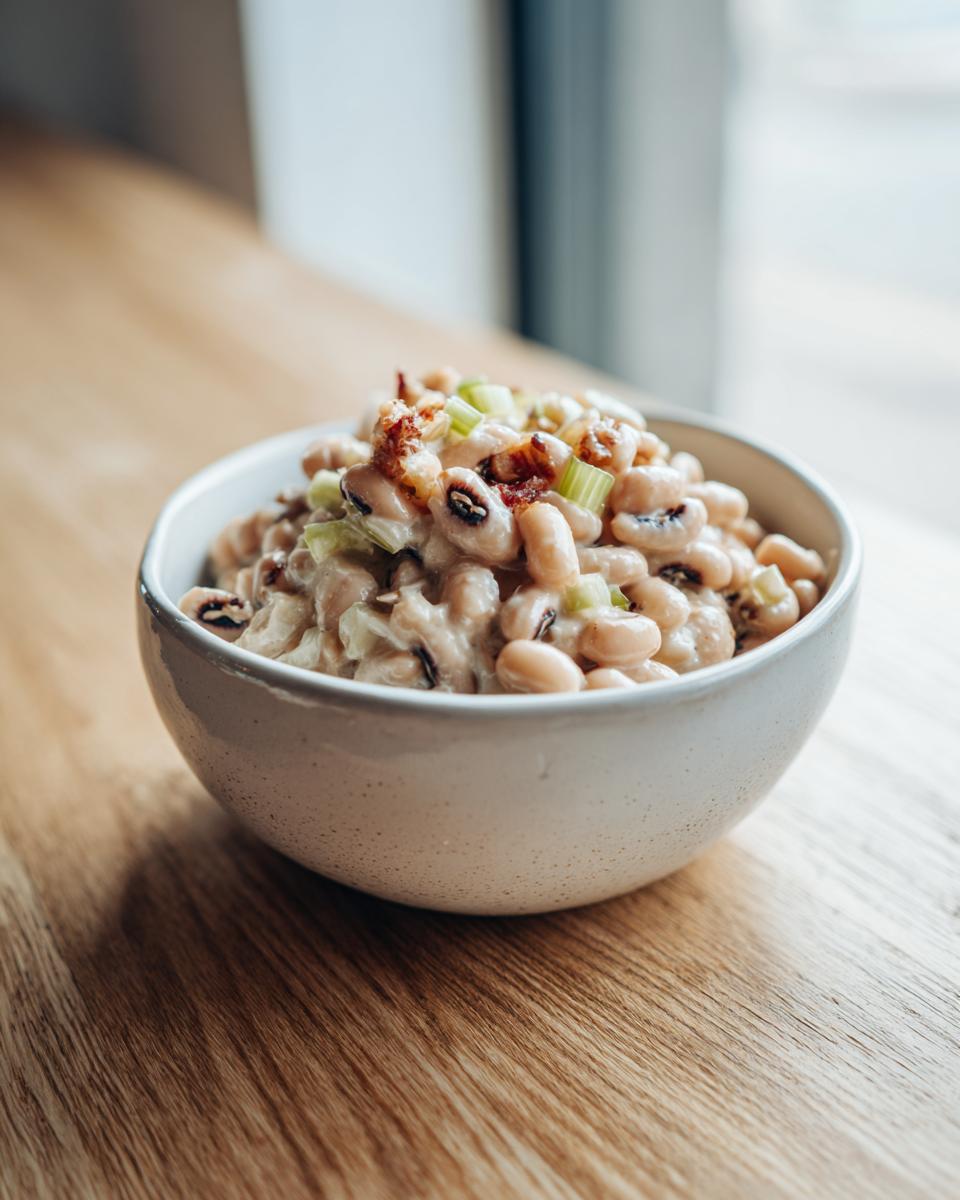
Once those peas are soft, it’s time to take out the trash! Fish out the bay leaf—no one wants to bite into that—and you need to pull out that ham hock. If you used a hock, take a fork and pull off all that lovely, smoky meat you can and shred it right back into the pot. That way, everyone gets a bite of smokiness!
This is important: You add the salt *now*, not earlier! Adding salt too soon can sometimes toughen the skins of the beans. Stir in your salt, and if you like that little bit of brightness that cuts through the richness, add that tablespoon of apple cider vinegar. Give it a taste. Taste it again! Adjust the seasoning until it sings. If the liquid is wetter than you like, just take the lid off and let it bubble away uncovered for about 15 minutes to thicken up. If you need to see how other folks are making theirs taste amazing, check out this great Southern Black Eyed Peas recipe for inspiration!
Alternative Cooking Methods for Your Black Eyed Peas Recipe
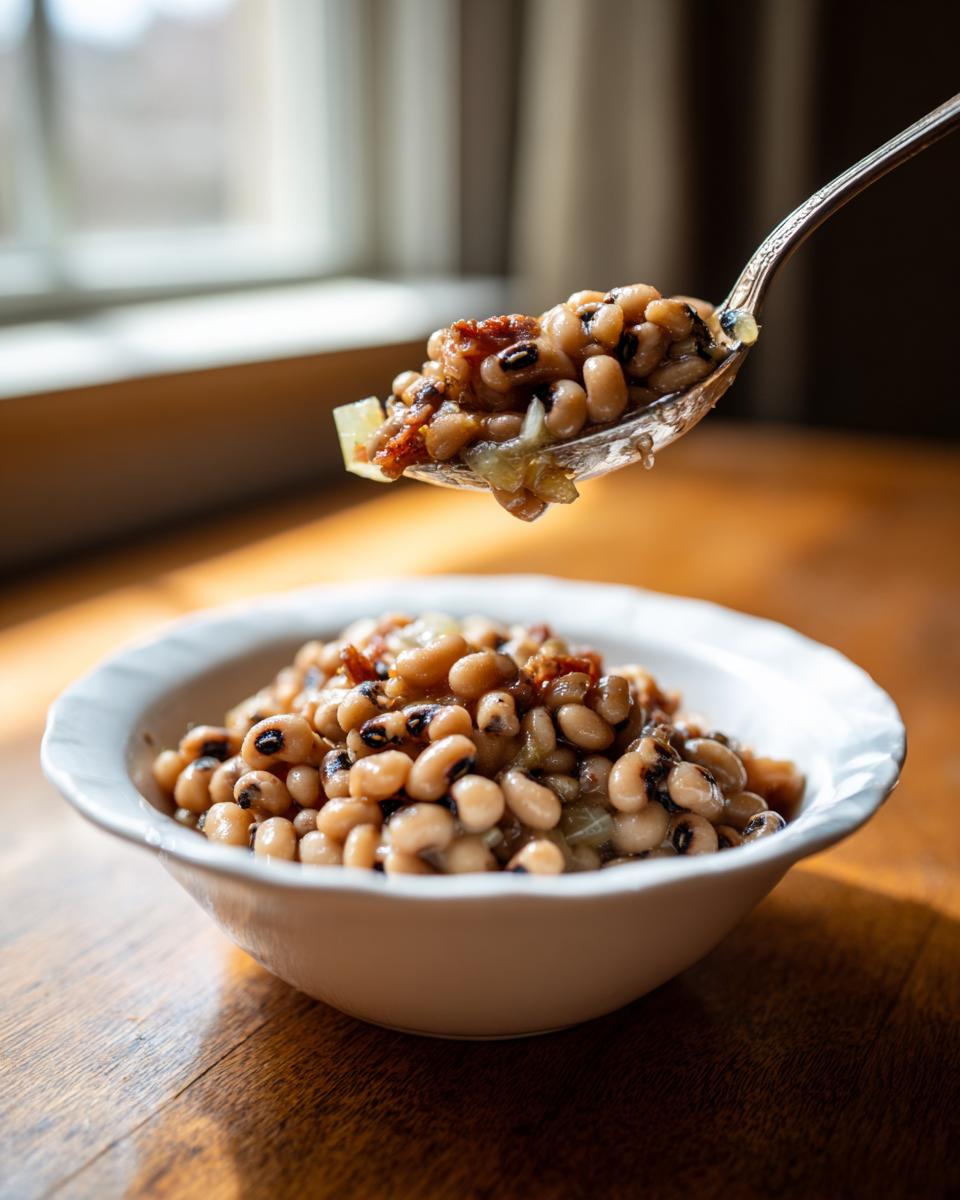
I know not everyone has two hours to tend a pot on the stovetop, even if it is the most traditional way to make them. Life gets busy, right? So I want to make sure you can still get this fantastic black eyed peas recipe on the table using modern tools. This recipe is incredibly flexible, whether you’re leaning towards super fast weeknight cooking or an all-day slow cook!
If you need dinner *tonight*, the pressure cooker is your best friend. We have instructions for Instant Pot Black Eyed Peas right in the notes, and it delivers that tender bite in a fraction of the time. For those days when you want the house to smell amazing all day long, the Crockpot option is just as reliable.
For the Instant Pot method, you’ll cook those dried peas (no soaking needed if you’re desperate!) on High Pressure for about 15 minutes. Then, you absolutely must let it do a Natural Pressure Release for at least 15 minutes afterward—don’t quick release! That resting time is when the peas finish cooking to that perfect creamy stage. If you want a full deep-dive tutorial on the electric pressure cooker route, check out this great guide on Instant Pot Black Eyed Peas.
Now, for the Slow Cooker Black Eyed Peas: You can actually add everything—the peas, the liquid, and the smoky meat—all right into the slow cooker in the morning. Cook on LOW for 6 to 8 hours, or on HIGH for about 3 to 4 hours until they are super soft. The caveat here is that the liquid doesn’t evaporate much in a Crockpot, so you might end up with a soupier consistency. If that happens, just pull the lid off for the last hour to let some steam escape, or use my trick of mashing a few beans to thicken it up!
Making This Black Eyed Peas Recipe Vegetarian and Vegan
I absolutely love making this dish for friends who don’t eat meat, and honestly, you wouldn’t even miss the ham hock! The beauty of this black eyed peas recipe is how easily it adapts. If you are looking for a fantastic Vegetarian Black Eyed Peas Recipe that still packs a punch, stick close because I’m going to spill the secret on how to mimic that savory, smoky depth the meat provides.
First things first: ditch the ham hock entirely. You will still use your favorite sauté method for the vegetables—onion, celery, pepper, and garlic—but you’ll need a good quality vegetable broth instead of water or chicken broth. That broth is going to be the backbone of your flavor now!
The real game-changer here is smoked paprika. Don’t skip this. When you add your thyme and pepper, also add a full teaspoon of smoked paprika right along with it into the pot. This spice carries that deep, roasted, smoky note that is essential to authentic Southern cooking. It totally satisfies that craving for something rich, even without meat!
If you’re serving this to vegans, just make sure you use oil instead of bacon fat when sautéing your veggies, and double-check that your vegetable broth doesn’t contain any dairy or honey, just to be safe. When you finish cooking, remember to use that trick where you mash a few beans to make it creamy. It makes a huge difference! It really shows how versatile these beans can be, proving you can get that deep, soulful flavor in just about any version. For more inspiration on vegan Southern options, check out what the folks at Recipes Universe are up to!
Serving Suggestions for This Flavorful Bean Recipes Side Dish
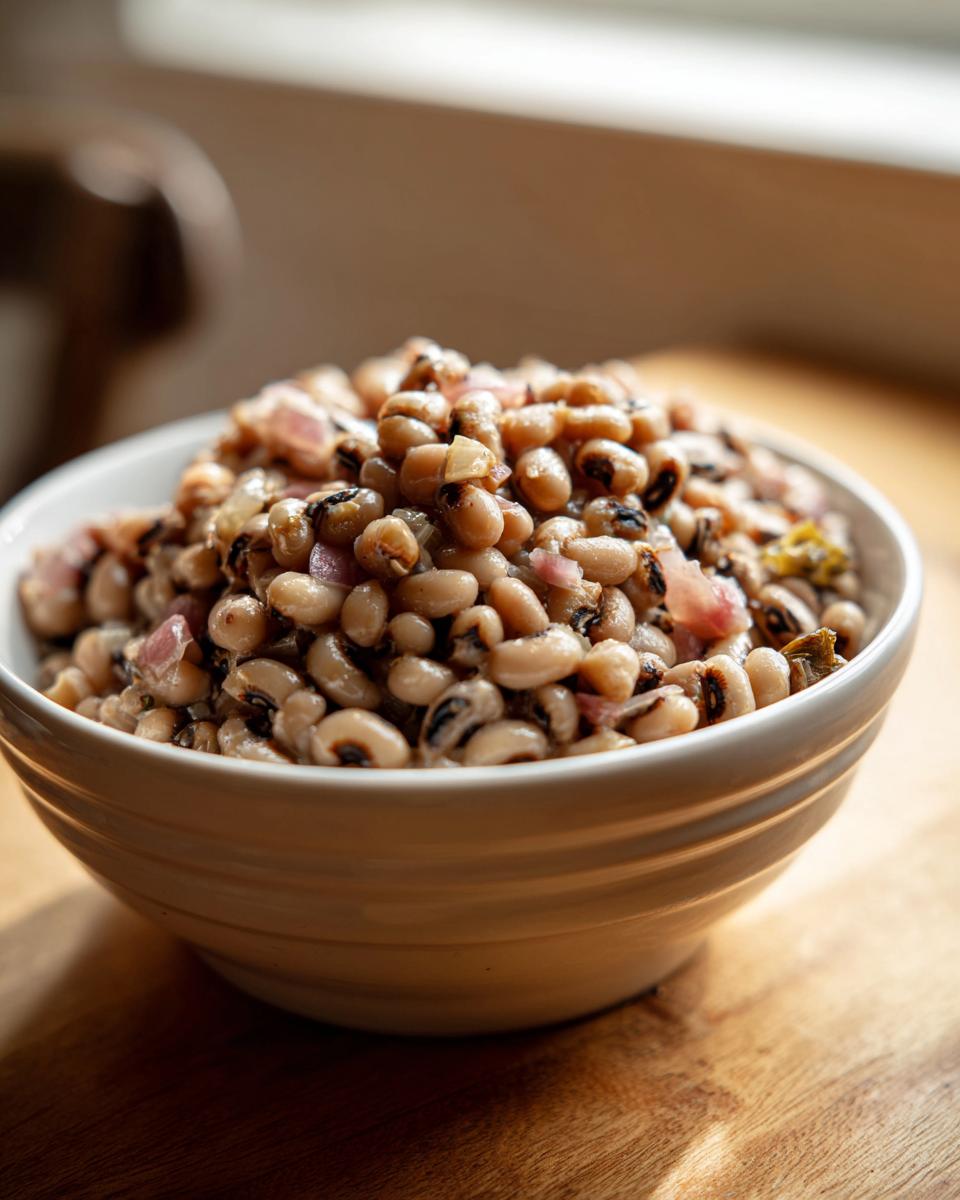
So now you have the most tender, smoky, perfect black eyed peas recipe—what on earth do you serve it with? Down South, this is rarely eaten alone; it’s the star side dish! My absolute favorite way to eat these creamy black eyed peas is piled high over a bed of fluffy white rice. That rice soaks up all the flavorful liquid, and honestly, it makes it feel like a complete meal.
Of course, you need something green, so a big helping of collard greens cooked with just a little bit of liquid smoke is the traditional companion. And you absolutely cannot forget the cornbread! We always had some crumbly, slightly sweet cornbread on the table specifically for scooping up every last bit of that beautiful, savory bean goodness.
Storage and Reheating Instructions for Leftover Black Eyed Peas Recipe
The best part about making a huge pot of these soulful black eyed peas is that they usually taste even better the next day! They really have time to let all those smoky flavors settle in overnight. If you happen to have any left over from your feast—or if you made a giant batch just for the good luck factor—storing them correctly is a breeze.
You can keep these leftovers in a tightly sealed container in the refrigerator for a solid 3 to 4 days. Make sure you pull out that bay leaf and any big hunk of ham bone before storing them away! If you know you won’t get through them that fast, beans freeze beautifully, too.
When you’re ready to freeze them, portion them out into freezer-safe bags or containers. I like to stack mine flat in the freezer like a little row of bean bricks—it saves space! They’ll keep well for up to three months.
Now, reheating is where people sometimes make a small mistake! Beans are notorious for soaking up liquid as they sit, even in the fridge, so your peas might look a little thick or dry when you pull them out. Don’t panic! When you reheat them on the stovetop or in the microwave, just add a splash of water or broth—maybe a tablespoon or two—and stir it constantly over low heat until they reach that perfect, creamy consistency again. Seriously, they come right back to life, tasting just as flavorful as when they were first made!
Frequently Asked Questions About How to Cook Black Eyed Peas
Okay, I know you’re probably itching to get these peas bubbling away, but let’s clear up a few last little doubts before you do! These are the questions I always get when teaching someone how to make this classic black eyed peas recipe for the first time. Got a sneaky question about making them spicier? Wondering about that New Year’s tradition? Ask away!
Do I need to soak dried black eyed peas before making this black eyed peas recipe?
This is a good one, and the answer is: Not really, but it helps! If you have the time, soaking your dried black eyed peas overnight definitely speeds up your cooking time on the stovetop. You just cover them with water and let them sit. If you forget, don’t fret! You can do a quick soak: bring them to a boil for ten minutes, turn the heat off, cover the pot, and let them sit for an hour before proceeding with the recipe. But honestly, since we are using that smoky ham hock and simmering them for nearly two hours anyway, you won’t lose much time skipping the soak if you’re in a bind.
What is the tradition behind eating Black Eyed Peas for New Year’s Day?
Oh, I love this tradition! It’s all about bringing you prosperity and good fortune for the upcoming year. In the South, eating the peas is good luck, and sometimes people eat them alongside greens (representing cash) and cornbread (representing gold!). It’s a delicious way to welcome abundance, and that’s why for so many of us, this is a required dish for our Good Luck Food for New Year celebration.
Are you planning on making them spicier? If so, I usually just toss a diced jalapeño right in with the onion and celery when I’m sautéing! It gives a nice little kick without overpowering the smoky notes.
Estimated Nutritional Data for This Black Eyed Peas Recipe
Now, I want to be totally upfront here: because we are making these black eyed peas recipe with savory ingredients like a ham hock or smoky bacon, the exact nutritional count is going to drift a little bit depending on how much fat renders out and what kind of broth you use. This isn’t like baking where precise measurements lock everything in!
What I’ve listed below is a solid estimate based on one serving size (about one cup cooked) using the traditional recipe with meat included. If you made the vegetarian black eyed peas recipe, your fat and sodium will be lower, so use this as your starting point!
- Estimated Serving Size: 1 cup cooked
- Calories: 220
- Protein: 14g
- Total Fat: 3g
- Total Carbohydrates: 38g
- Dietary Fiber: 10g
- Sodium: 350mg (This can change a lot based on how salty your ham bone is!)
I always like to look at the fiber content, though—ten grams! That’s fantastic for keeping you feeling full and satisfied, which is why this truly comforting bean recipe is also great for you. Remember, these figures are just a guide. The real nutrition comes from knowing you’re eating something made with care and tradition!
Share Your Thoughts on This Traditional Black Eyed Peas Recipe
Whew, that’s it! We’ve gone from dried peas to a pot full of smoky, comforting, good-luck goodness. Now that you’ve made your black eyed peas recipe, I sincerely want to know what you thought! Did you try the traditional ham hock version, or did you go for the veggie-friendly smoked paprika swap?
Head on down to the comments and give this recipe a star rating! Seriously, tell me how long it took you! I love hearing how this recipe shows up on dinner tables across the country. Did you serve it over fluffy white rice, or did you go old-school with cornbread on the side?
If you had any questions while you were cooking, or if you messed around with the spice level and want to share your favorite addition, please reach out! You can always send a note directly to me through the contact page. There’s nothing I love more than hearing that one of our family classics is making new memories at your table.
PrintClassic Southern Black Eyed Peas Recipe
Make traditional, smoky Southern Black Eyed Peas on the stovetop. This recipe delivers rich flavor and creamy texture, perfect as a side dish or for New Year’s good luck.
- Prep Time: 15 min
- Cook Time: 1 hour 45 min
- Total Time: 2 hours 0 min
- Yield: 6 servings 1x
- Category: Side Dish
- Method: Stovetop
- Cuisine: Southern
- Diet: Vegetarian
Ingredients
- 1 pound dried black eyed peas, rinsed and picked over
- 6 cups water or low-sodium chicken broth
- 1 smoked ham hock or 4 ounces smoked bacon, diced (omit for vegetarian)
- 1 medium yellow onion, chopped
- 2 celery stalks, chopped
- 1 green bell pepper, chopped
- 3 cloves garlic, minced
- 1 teaspoon dried thyme
- 1 bay leaf
- 1/2 teaspoon black pepper
- 1 teaspoon salt (adjust to taste after cooking)
- 1 tablespoon apple cider vinegar (optional, for brightness)
Instructions
- Place the rinsed black eyed peas and water or broth in a large pot or Dutch oven. If using a ham hock or bacon, add it now. Bring the mixture to a boil over high heat.
- Reduce the heat to low, cover the pot, and simmer for 1 hour, or until the peas begin to soften. Skim off any foam that rises to the surface during the first 30 minutes.
- In a separate skillet, sauté the chopped onion, celery, and bell pepper in a little oil (if not using bacon) until the vegetables soften, about 5 to 7 minutes. Add the minced garlic during the last minute.
- Add the sautéed vegetables, thyme, bay leaf, and black pepper to the pot with the peas. Stir well.
- Continue to simmer, partially covered, for another 45 minutes to 1 hour, or until the peas are tender and creamy. Stir occasionally to prevent sticking.
- Remove the ham hock (if used) and bay leaf. Shred any usable meat from the hock and return it to the pot.
- Stir in the salt and apple cider vinegar, if using. Taste and adjust seasoning as needed. If the peas are too thin, remove the lid and simmer for 10-15 minutes to allow the liquid to reduce.
- Serve hot as a flavorful bean recipes side dish.
Notes
- For a vegetarian or vegan black eyed peas recipe, omit the ham hock/bacon and use vegetable broth. Add 1 teaspoon of smoked paprika with the other seasonings for a smoky flavor.
- If you want creamy black eyed peas, mash about 1/4 cup of the cooked beans against the side of the pot and stir them back in.
- This recipe works well in an Instant Pot: cook dried peas on High Pressure for 15 minutes, followed by a Natural Pressure Release for 15 minutes.
- This is a traditional New Year’s Day black eyed peas recipe for good luck.
Nutrition
- Serving Size: 1 cup cooked
- Calories: 220
- Sugar: 1
- Sodium: 350
- Fat: 3
- Saturated Fat: 1
- Unsaturated Fat: 2
- Trans Fat: 0
- Carbohydrates: 38
- Fiber: 10
- Protein: 14
- Cholesterol: 5