

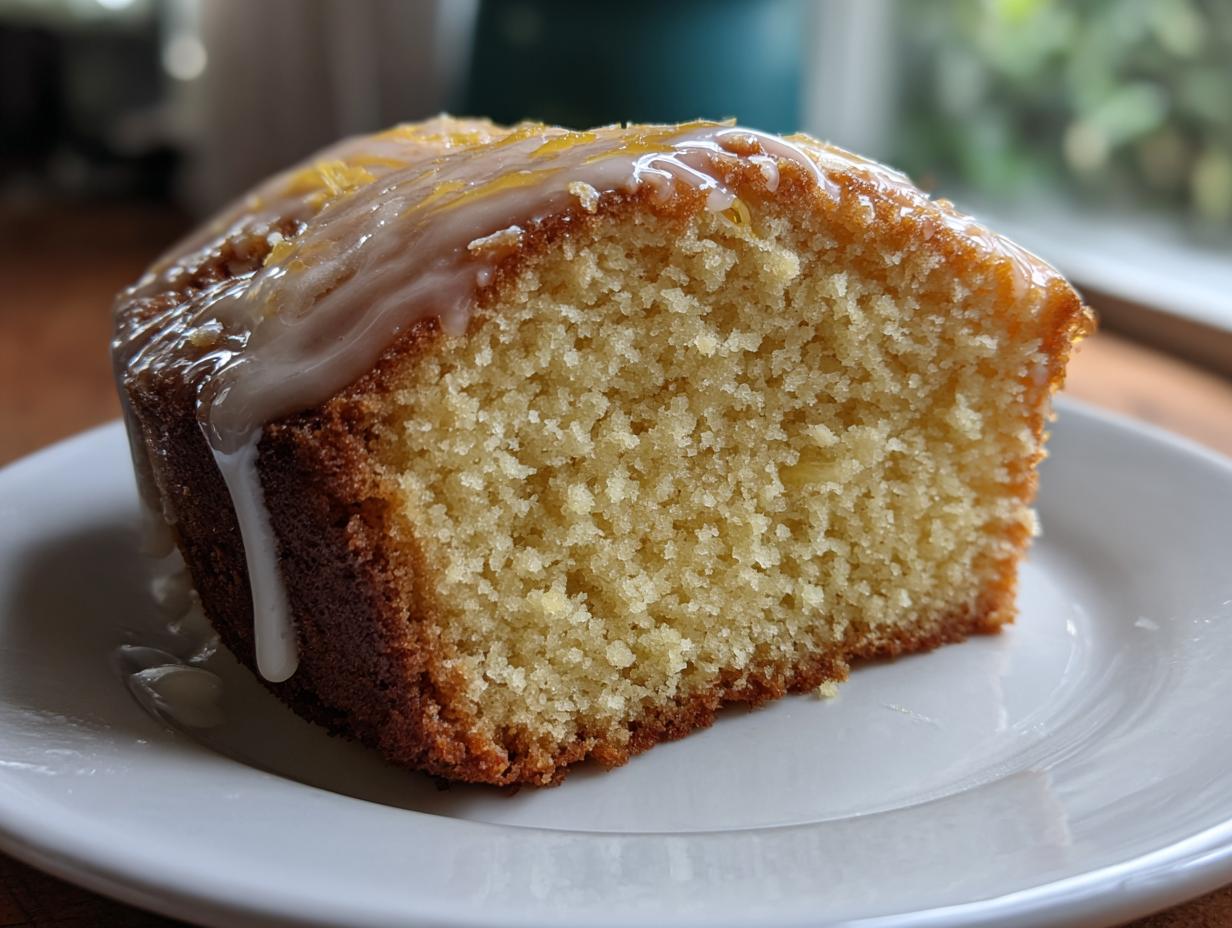
Oh, isn’t it the best feeling when a dessert manages to be both incredibly rich and surprisingly light? That’s the magic of Mediterranean desserts, and really, it all comes down to that beautiful, fruity olive oil! When I was developing this recipe, I knew I wanted something that would deliver on moisture without needing heavy butter or loads of complicated steps. That’s why I’m so excited to share my Effortlessly Moist Lemon Olive Oil Cake with an Orange Glaze. This isn’t just any cake; it’s a reliable, tender crumb cake that I’ve personally perfected right here in my kitchen, ensuring every home baker gets that perfect, bright flavor, just like I promised in the Cookin’ Corner philosophy.
- Why This Olive Oil Cake Recipe Works So Well
- Gathering Ingredients for Your Moist Olive Oil Cake
- How to Make This Easy Homemade Cake: Step-by-Step Instructions
- Crafting the Bright Orange Glaze for Your Olive Oil Cake
- Ingredient Notes and Substitutions for This Simple Citrus Cake
- Tips for the Best Olive Oil Cake Success
- Storage and Reheating Instructions for Your Olive Oil Cake
- Frequently Asked Questions About This Italian Olive Oil Cake
- Estimated Nutritional Data for One Slice of Olive Oil Cake
Why This Olive Oil Cake Recipe Works So Well
I get asked all the time what makes an olive oil cake so fantastic, especially when people usually reach for butter. Honestly, this recipe is a winner because it hits all the right notes effortlessly. It’s my go-to easy homemade cake when I need something elegant fast!
Here’s why I think it’s the best olive oil cake recipe you’ll ever try:
- Incredible Moisture: Olive oil keeps this cake unbelievably moist, far longer than regular cakes. It’s truly a stand-out among all moist cake recipes.
- Bright Citrus Pop: We use both the lemon zest and juice, so the flavor is vibrant—never dull or overly sweet.
- One Bowl Simplicity: Seriously, cleanup is minimal! It’s classic one bowl baking, which is a lifesaver on busy afternoons.
- Versatile Elegance: Whether it’s for a simple afternoon coffee or an elegant gathering, it shines as a perfect tea time dessert.
Gathering Ingredients for Your Moist Olive Oil Cake
Okay, getting ready for this is half the fun! Since this recipe relies heavily on just a few core components, we need to treat them right. The beauty of this olive oil cake recipe is that there’s nothing fussy here—just simple pantry staples elevated by that glorious oil.
First, let’s talk about the MVP: the olive oil. You absolutely need good quality extra virgin olive oil here. Don’t grab the cheap stuff! We want a fruity, maybe slightly peppery oil, like what you’d use for dipping bread. That oil is what gives this Mediterranean dessert its signature depth and guarantees that melt-in-your-mouth texture.

For structure and lift, we’re using our standard dry mix—flour, baking powder, and baking soda—plus a cup of white granulated sugar. But here’s a little trick I picked up: if you happen to have buttermilk instead of regular whole milk, grab it! Buttermilk reacts perfectly with the baking soda and baking powder to give you an even softer crumb cake. And don’t skimp on the lemons; we need both the juice for tang and the zest for that amazing aroma!
How to Make This Easy Homemade Cake: Step-by-Step Instructions
Making this simple citrus cake really proves how easy baking from scratch can be! We’re sticking to that no-fuss method for this gorgeous olive oil cake recipe. Just grab one big bowl and we’re ready to go. Remember, the goal is moisture, and the technique is what gets us there!
Preparing the Batter for the Olive Oil Cake
First things first, get that oven kicking—350°F (175°C) is where we want it. Prep that 9-inch round pan by greasing and flouring it really well; we don’t want any sticking later!
In your main bowl, you’ll mix your dry ingredients: flour, baking powder, baking soda, and salt. Now, here’s a little expertise I always use: toss in the granulated sugar and the fresh lemon zest. Take a moment and actually rub that zest into the sugar with your fingertips until it smells absolutely amazing. This really releases those oils and deepens the final lemon flavor!
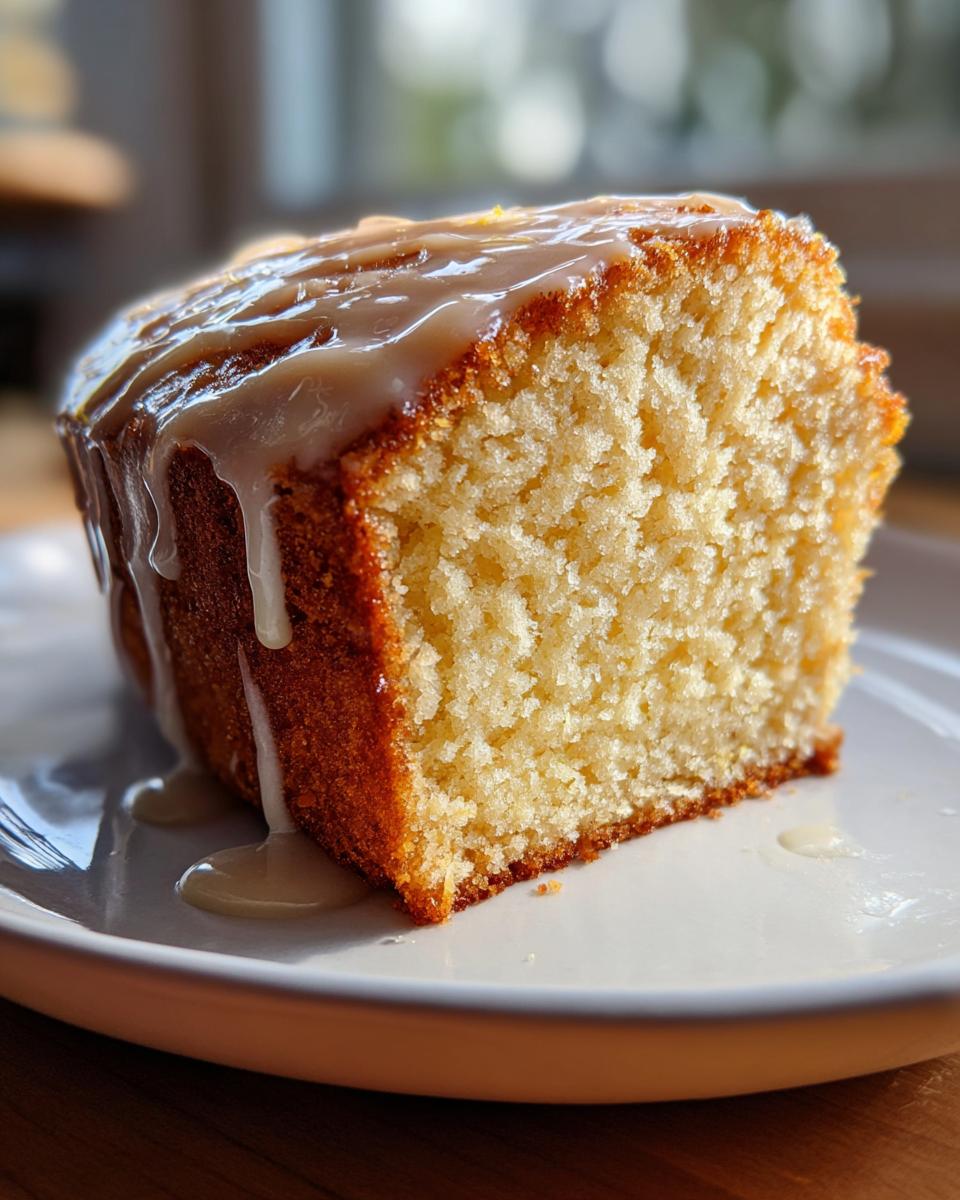
Next, you add everything wet right into that dry mix: the eggs, your fruity olive oil, the milk, the lemon juice, and the vanilla. You just need to whisk this until everything is smooth and combined. I mean it—whisk until just combined! If you see a few tiny streaks of flour when you stop, that’s perfect. Overmixing citrus batter is the fastest way to toughen up that beautiful, tender crumb texture we are aiming for.
Baking and Cooling Your Tender Crumb Cake
Pour all that beautiful, simple batter into your prepared pan. You’ll bake this fantastic lemon olive oil cake for about 35 to 40 minutes. How do you know it’s done? The toothpick test is your friend, but look for the edges to slightly pull away from the pan too. That’s a homeowner’s tip for knowing it’s ready!
Don’t rush it once it’s out of the oven. Let this moist cake cool in the pan for about 15 minutes. If you try to flip it right away, you risk a tragedy! After that short rest, gently flip it out onto a cooling rack to chill completely. Rushing the cooling means the glaze might melt right into the cake instead of sitting prettily on top!
Crafting the Bright Orange Glaze for Your Olive Oil Cake
Now that our beautiful, citrusy lemon olive oil cake is cooling down—and trust me, you have to let it cool completely, or this part gets messy—it’s time for the finishing touch! We’re keeping this simple, just like the rest of the recipe. No fussy buttercream here!
This bright orange glaze is what elevates this simple citrus cake from a lovely snack to something you’d proudly serve at a luncheon. All you need is about a cup of powdered sugar—make sure it’s sifted if you have lumps!—and the juice from a fresh orange. We’re going for that sunny flavor to complement the lemon we already have inside.
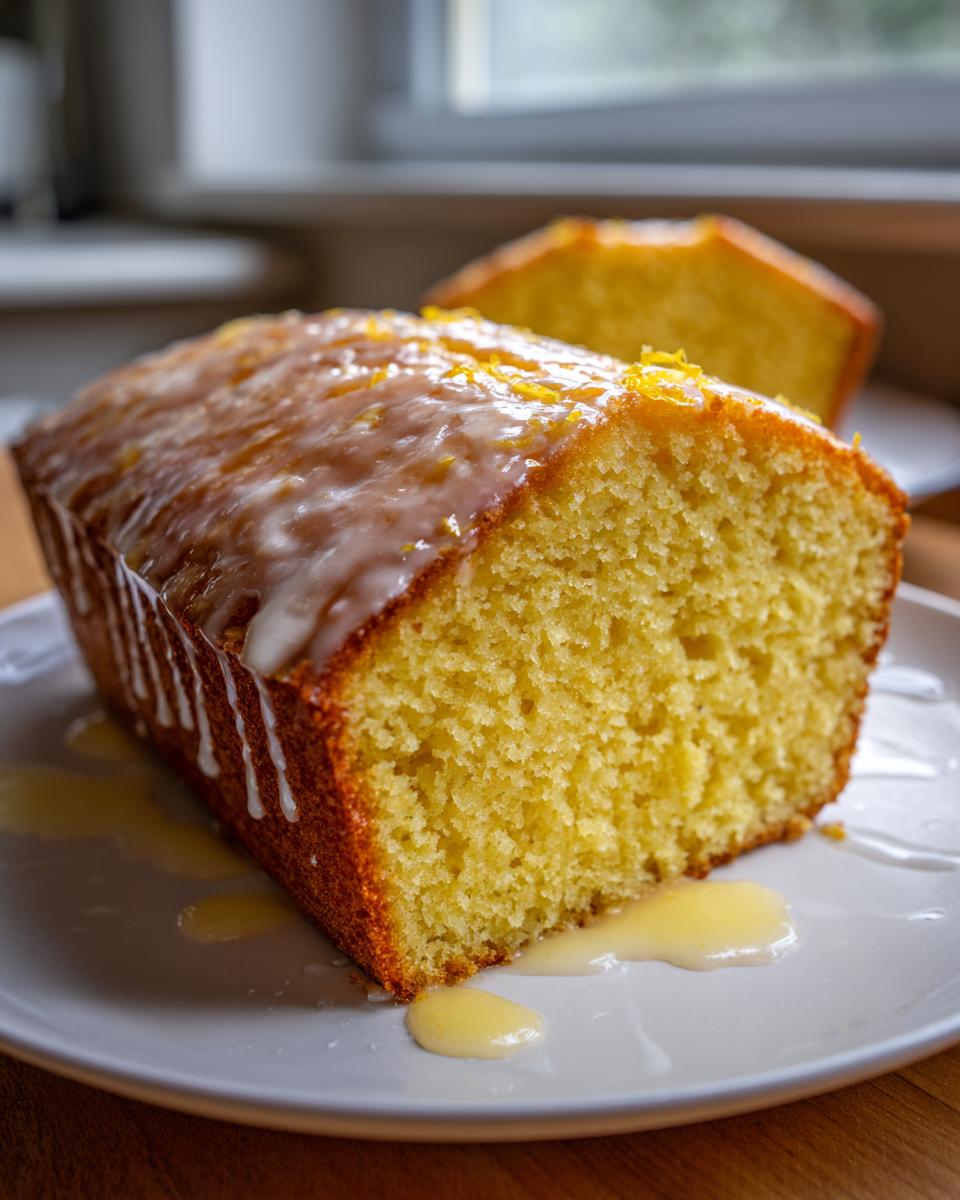
The most important thing here is the drizzling consistency. In that little bowl, start by whisking the powdered sugar with just one tablespoon of the orange juice. It’s going to look like cement at first, and you might think I’ve led you astray, but trust me! Slowly, drop by drop, add the remaining orange juice until you reach the consistency of thick, pourable honey. You want it fluid enough to drip beautifully down the sides, but thick enough that it doesn’t just soak into the top of the cake instantly. If you end up shaking in too much juice, just whisk in another spoonful of powdered sugar until you fix it. It’s so forgiving!
Once your cake is completely cool, take a spoon and artfully drizzle that orange glaze over the top. If you want that really beautiful, rustic look, you can even use a fork to zig-zag the glaze across the top. This tiny bit of extra sweetness and the visual flair makes such a difference. It’s a classic approach for an orange olive oil cake!
Ingredient Notes and Substitutions for This Simple Citrus Cake
Even though this recipe is super straightforward, I always want you to feel confident improvising a little, especially if you have dietary needs or just ran out of something! Remember, the heart of this recipe is that classic, bright flavor profile you find in many Mediterranean desserts.
Let’s quickly talk substitutes. If you are looking to make this one of those fantastic dairy free cakes, go ahead and swap the whole milk for an equal amount of unsweetened almond milk or even oat milk. It really doesn’t change the final texture because the olive oil does most of the heavy lifting on the moisture front!
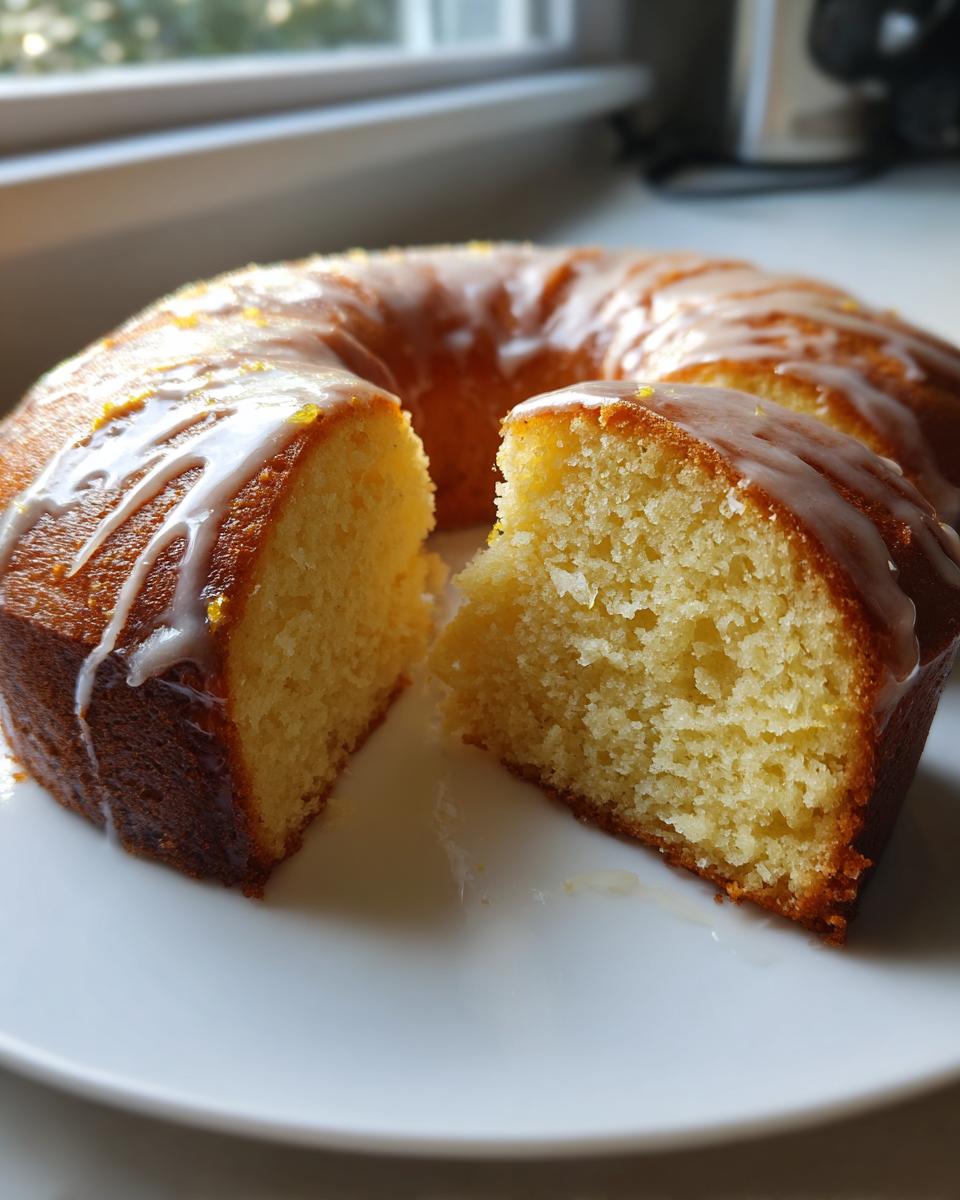
Now, back to the star: the olive oil. This is where I impart a little bit of expertise—the better the oil, the better the cake. You want a nice, smooth extra virgin olive oil. But here’s my warning: if you use an oil that is excessively sharp or peppery, it can actually overpower those delicate lemon and orange notes we worked so hard to build up. We want Fruity, not Fiery! Stick to a medium-bodied EVOO. If you only have a very robust, grassy oil, maybe cut back just a touch from the full cup, that’s really the only substitution I’d approach cautiously when making this moist cake.
Also, the milk choice really impacts tenderness. While regular milk works fine, using buttermilk, if you have it, boosts the reaction with the leaveners and gives you the absolute softest thing you can imagine. It elevates this from a good cake to one of those breathtakingly tender crumb cakes!
Tips for the Best Olive Oil Cake Success
I want you to have total confidence when you tackle this olive oil cake, because success here is all about a few tiny details that make a HUGE difference. This cake recipe is incredibly reliable, but just like any great method, following these few secrets ensures you get that textbook moist, tender crumb every single time. Trust me, once you see how easy it is, this will become your absolute favorite easy homemade cake.
Here are the game-changers I always follow before I even preheat the oven:
- Bring Everything to Room Temperature: I know, I know, it’s the oldest tip in the book, but it matters for binding! Make sure your eggs and milk (or buttermilk) are out on the counter for at least 30 minutes first. When cold ingredients hit room oil, they tend to seize up and create pockets of unincorporated batter. We want smooth sailing for the most beautiful lemon olive oil cake texture!
- Don’t Be Shy with the Zest Rub: Remember when we talked about rubbing the lemon zest straight into the sugar? Don’t skip that! That isn’t just busy work; that physical friction releases the fragrant oils locked in the zest right into the sugar crystals. This means the lemon flavor gets distributed evenly throughout the entire cake, not just sitting in one spot. It’s how we maximize flavor in this simple citrus cake.
- Pan Prep is Non-Negotiable: Because cakes made with oil tend to stick just a hair more stubbornly than butter cakes in certain conditions, you have to be vigilant with your pan. I always use a combination of greasing heavily with butter or oil and then dusting thoroughly with flour. Then, for my 9-inch round, I cut a small circle of parchment paper and lay it right on the bottom before adding the batter. This little layer of protection ensures a perfect release when you flip it out.
- Use the Oil First in the Wet Additions: When it’s time to mix your wet ingredients in that one bowl, add the olive oil to the eggs and milk before adding the final splashes of highly acidic lemon juice. This creates a slight emulsion right away, helping the oil integrate smoothly into the batter and preventing that slightly greasy layer that can sometimes form at the bottom if liquids don’t combine well.
Storage and Reheating Instructions for Your Olive Oil Cake
This is one of the best parts about baking with olive oil instead of butter—this cake just keeps getting better! Seriously, this moist cake actually tastes even better the second day, which is rare for a homemade bake, right?
Since we used that lovely fruity oil instead of butter, this olive oil cake stays wonderfully fresh at room temperature for quite a while. You don’t need to worry about refrigeration at all, unless your kitchen is extremely hot or humid.
Here is how I handle leftovers:
- Room Temperature Storage: Cover the cake well! I usually just place a large cake dome over the plate, but if you don’t have one, wrap the slices tightly in plastic wrap or place the whole cake in an airtight container. It will stay perfectly tender and delicious at room temperature for a good 3 to 4 days. The flavor really deepens in that time.
- Freezing is Possible: If you’ve made this delicious easy homemade cake for a big gathering and have leftovers that you know you won’t eat in 4 days, you can certainly freeze it! Slice it first, which makes thawing easier later. Wrap each slice tightly in a layer of plastic wrap, then wrap that bundle again in foil. Freeze them this way for up to about two months.
- Waking Up Frozen Slices: When you want to enjoy a slice later, take it out of the freezer and let it thaw completely wrapped on the counter for a few hours. If you want to refresh that just-baked springiness, you can zap it for just 10 to 15 seconds in the microwave. It softens right up thanks to that internal oil structure.
I never reheat the whole cake, but if you’re eating the slice plain without the glaze, a quick warming makes those citrus notes sing again. If the orange glaze is on there, sometimes warming can make it weep a bit, so just eat those slices cold. Either way, this cake holds up like a champion!
Frequently Asked Questions About This Italian Olive Oil Cake
I know you’re probably excited to run to your kitchen right now with this recipe, but just in case a little question popped up about this amazing Italian olive oil cake, I wanted to cover a few things I hear a lot. When you’re dealing with oil instead of butter, people naturally have questions about texture!
Can I use regular vegetable oil instead of extra virgin olive oil?
Oh, goodness, I really advise against it! While you technically could substitute in a neutral oil, you’d lose about 70% of what makes this cake special. The beauty of this lemon olive oil cake is that the olive oil imparts a subtle, fruity, almost grassy note that complements the lemon perfectly—that’s the Mediterranean flair we are going for! Vegetable oil will just taste like… nothing. You want that signature hint of good oil in your moist cake recipes!
My last olive oil cake was dense instead of tender. How do I ensure this one has a tender crumb cake texture?
That’s the most common worry, and it almost always comes down to two things: overmixing or using cold ingredients. When you mixed the batter, if you beat it too vigorously after adding the flour, you developed the gluten, and that makes a tough, dense cake. For this easy homemade cake, mix until the streaks of flour just disappear—no more! Also, make sure those eggs and the milk are at room temperature, which helps everything emulsify seamlessly. This is the secret to achieving that airy, tender crumb cake structure!
Do I really need that orange glaze, or can I skip it?
You absolutely do not have to use the glaze if you prefer something less sweet. This is fantastic as a simple tea time dessert with just a light dusting of powdered sugar. The wonderful thing about this specific recipe is that the cake itself is perfectly balanced. The glaze just adds that extra layer of sweet citrus shine, especially for company. If you skip it, I recommend adding an extra teaspoon of lemon zest into the batter to boost the indoor flavor!
Is this cake safe to leave out on the counter?
Yes! It’s actually better at room temperature! Because the fat source is oil rather than butter, this olive oil cake stays fantastically soft and moist on the counter for days. Just wrap it up snugly or put it under a cake dome to keep dust out. It doesn’t need refrigeration at all unless it is sweltering hot where you live. The flavor actually improves by day two, honestly!
Estimated Nutritional Data for One Slice of Olive Oil Cake
I always include this section because so many of you write to me about wanting to make healthy recipes, and while this is certainly a treat, knowing what’s in our olive oil cake helps! It’s wonderful how using olive oil—rather than butter—can shift the fat profile quite nicely, giving us a dessert that feels lighter.
Please remember, these numbers are based on standard commercial ingredients and how I measure everything out. If you use a mountain of extra glaze or grab a different brand of oil, your final totals will shift a bit. This is just a good guideline for a standard slice of my Effortlessly Moist Lemon Olive Oil Cake:
- Serving Size: 1 slice
- Calories: 350
- Sugar: 30g
- Fat: 18g (Notice that most of this is unsaturated fat, which is a win!)
- Saturated Fat: 2.5g
- Carbohydrates: 45g
- Protein: 4g
- Cholesterol: 65mg
When you compare this to a traditional buttercream cake, you can see how this olive oil cake recipe leans into that slightly healthier side of baking. It proves you don’t have to sacrifice incredible flavor and moisture just because you’re choosing a slightly different path for your ingredients!
PrintEffortlessly Moist Lemon Olive Oil Cake with Orange Glaze

This recipe yields a wonderfully moist and tender olive oil cake infused with bright lemon flavor. It is simple to prepare, often requiring just one bowl, and is topped with a light orange glaze for a touch of sweetness.
- Prep Time: 15 min
- Cook Time: 40 min
- Total Time: 55 min
- Yield: 8 servings 1x
- Category: Dessert
- Method: Baking
- Cuisine: Italian
- Diet: Low Fat
Ingredients
- 1 3/4 cups all-purpose flour
- 1 1/2 teaspoons baking powder
- 1/2 teaspoon baking soda
- 1/2 teaspoon salt
- 1 cup granulated sugar
- Zest of 2 large lemons
- 3 large eggs
- 1 cup good quality extra virgin olive oil
- 1/2 cup whole milk or buttermilk
- 1/4 cup fresh lemon juice
- 1 teaspoon vanilla extract
- For the Glaze: 1 cup powdered sugar
- 2 tablespoons fresh orange juice
Instructions
- Preheat your oven to 350°F (175°C). Grease and flour a 9-inch round cake pan.
- In a large bowl, whisk together the flour, baking powder, baking soda, and salt.
- Add the granulated sugar and lemon zest to the dry ingredients. Rub the zest into the sugar with your fingers until fragrant.
- Add the eggs, olive oil, milk, lemon juice, and vanilla extract to the bowl. Whisk until the batter is just combined and smooth. Avoid overmixing. This is your simple one bowl baking step.
- Pour the batter into the prepared cake pan.
- Bake for 35 to 40 minutes, or until a toothpick inserted into the center comes out clean.
- Let the cake cool in the pan for 15 minutes before inverting it onto a wire rack to cool completely.
- While the cake cools, prepare the glaze: Whisk the powdered sugar and orange juice together until smooth. Add more orange juice, a drop at a time, if the glaze is too thick.
- Drizzle the orange glaze over the cooled cake before serving.
Notes
- Using a good quality, fruity olive oil makes a difference in the final flavor of this Mediterranean dessert.
- This tender crumb cake stays moist for several days when stored covered at room temperature.
- For a dairy free cakes option, substitute the milk with an equal amount of unsweetened almond milk.
- This cake is excellent served as a tea time dessert.
Nutrition
- Serving Size: 1 slice
- Calories: 350
- Sugar: 30
- Sodium: 250
- Fat: 18
- Saturated Fat: 2.5
- Unsaturated Fat: 15.5
- Trans Fat: 0
- Carbohydrates: 45
- Fiber: 1
- Protein: 4
- Cholesterol: 65