

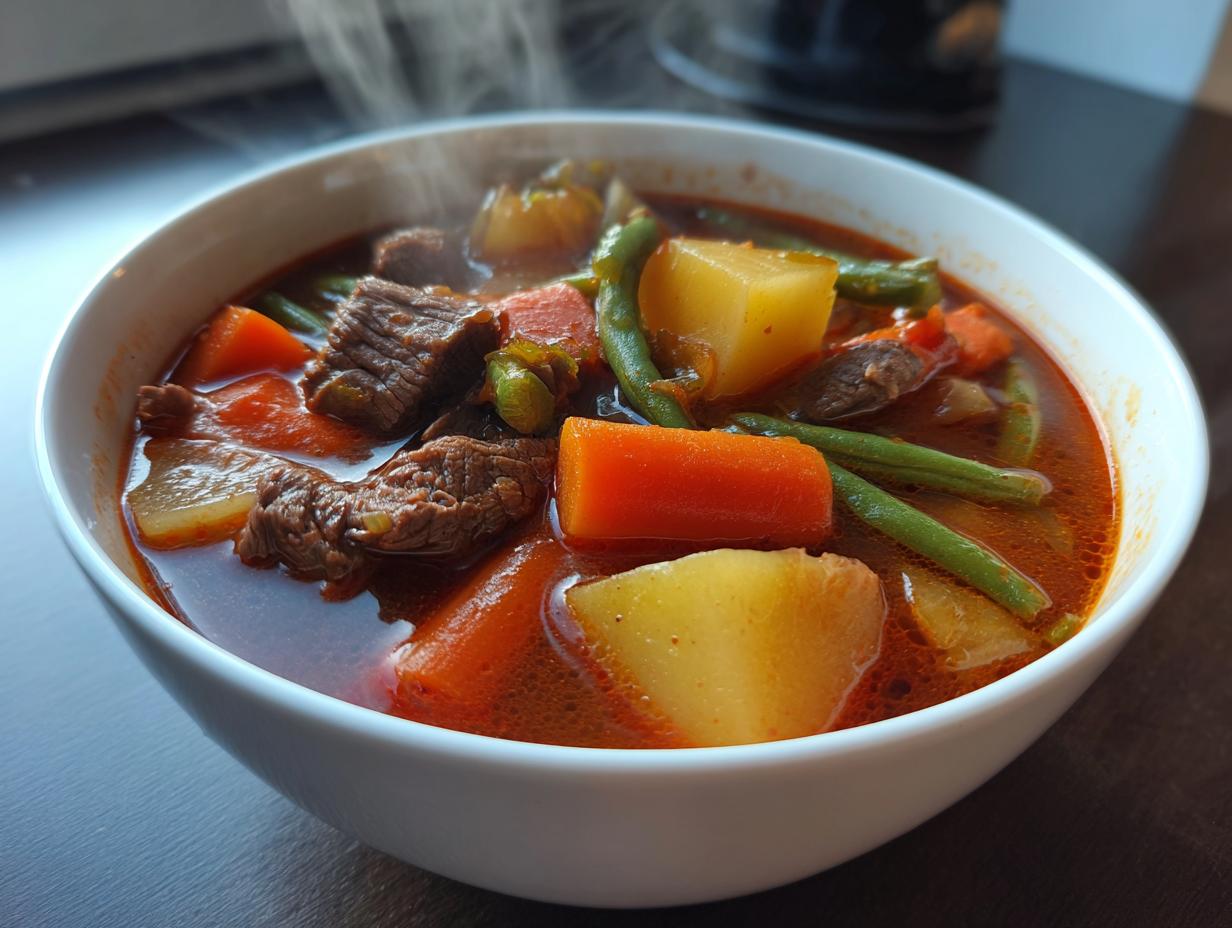
Some of the best meals we ever eat aren’t fancy inventions—they’re just pure, unadulterated comfort served up in a warm bowl. That’s exactly what this hearty vegetable beef soup delivers! If you grew up learning that the secret ingredient is always care, then you already understand the soul of Cookin’ Corner. I’m Sarah Jane Thompson, and growing up in my Midwest home, certain recipes became shorthand for love. This classic beef and vegetable soup is one of them. It uses honest ingredients and the slow simmer time necessary to create that deep, savory flavor that just screams ‘home.’ You’re going to love how easy it is to get this family favorite on your table! It’s the perfect starting point when you’re looking for great easy dinner ideas.
- Why This Hearty Vegetable Beef Soup is a Family Favorite Soup (E-E-A-T)
- Ingredients for Classic Beef and Vegetable Soup
- Tips for Achieving the Best Savory Vegetable Broth Recipes
- How to Make Old Fashioned Vegetable Soup Recipe on the Stovetop
- Adapting Your Vegetable Beef Soup for Different Cooking Methods
- Making Ground Beef Vegetable Soup Variations
- Serving Suggestions for This Comfort Food Soup Recipes
- Storage and Reheating Your Vegetable Beef Soup
- Frequently Asked Questions About Vegetable Beef Soup
- Nutritional Estimates for This Wholesome Beef Soup
- Share Your Experience with This Classic Vegetable Beef Soup
Why This Hearty Vegetable Beef Soup is a Family Favorite Soup (E-E-A-T)
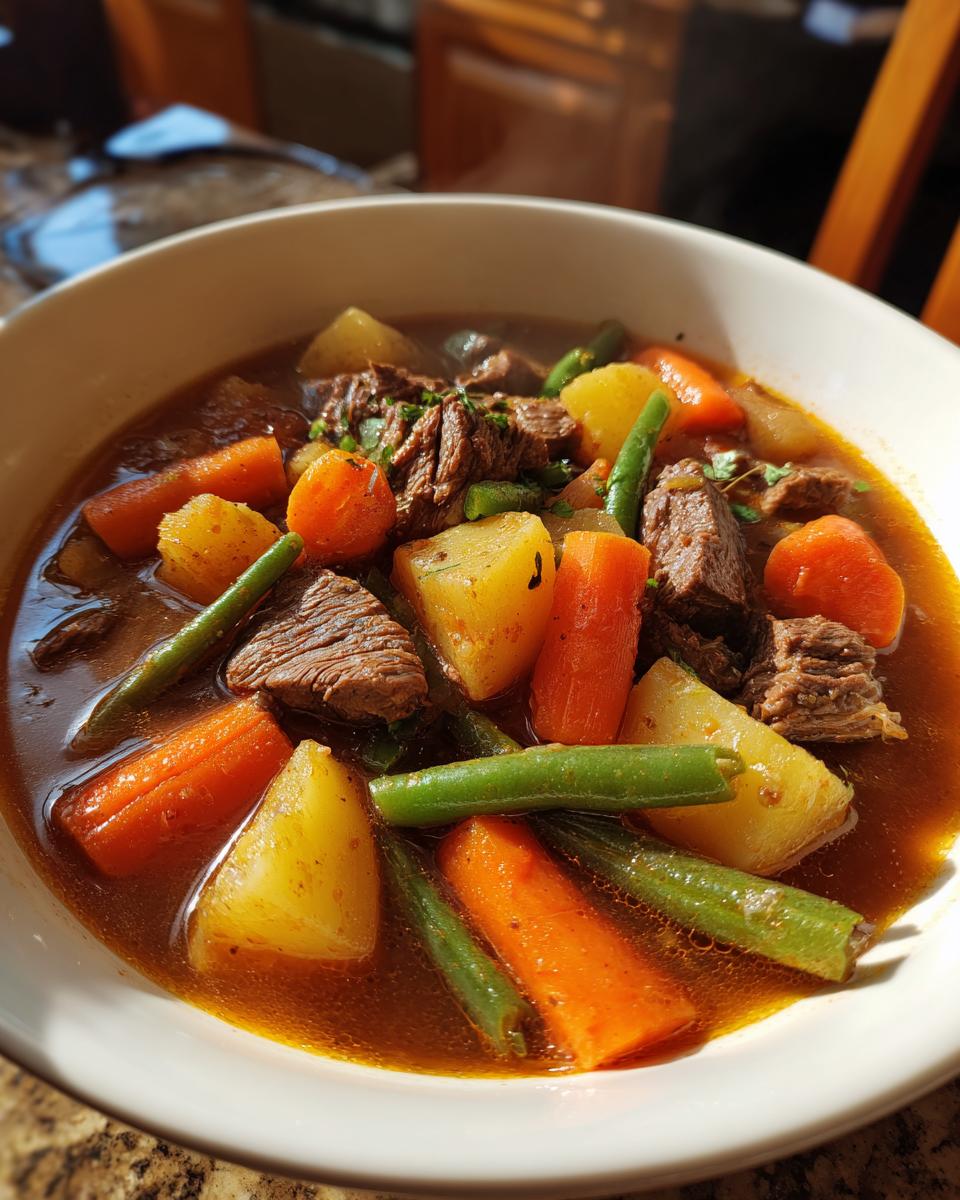
Listen, there are tons of recipes out there for vegetable beef soup, but so many of them use ground beef. Nothing against those quick weeknight versions, but when I think of the classic beef and vegetable soup my family made, I think of tender, melt-in-your-mouth chunks of beef. That’s why we stick to the chuck roast here! It’s what gives you that truly hearty vegetable beef soup experience with a broth that actually tastes like it simmered all day.
For me, this is the definition of a family favorite soup. I remember my Grandpa hiding the bay leaf from my little cousins, trying to sneak it out before anyone noticed. It’s these little traditions tied to a meal that make it special. If you’re looking for genuinely comforting recipes, you can check out my collection of quick and easy recipes, too.
Ingredients for Classic Beef and Vegetable Soup
Getting this classic beef and vegetable soup right starts with having everything ready to go! We need about two pounds of beef chuck roast, cut into nice, manageable half-inch cubes. Don’t forget one big yellow onion and two celery stalks, all chopped up. You’ll want three carrots, peeled and sliced, and don’t skimp on the two cloves of garlic, minced fine.
For the liquids and flavor base, grab six cups of beef broth, one 14.5 ounce can of diced tomatoes (don’t drain them!), and a tablespoon of that amazing Worcestershire sauce. We season it up with dried thyme, dried oregano, one bay leaf, salt, and pepper. Lastly, toss in two medium potatoes that you’ve peeled and diced, plus a cup each of frozen green beans and peas!
Tips for Achieving the Best Savory Vegetable Broth Recipes
You can’t rush flavor, especially when you’re aiming for those deep, rich savory vegetable broth recipes everybody loves! The absolute key here is proper browning. When you sear those chuck roast pieces in the hot oil—that’s the Maillard reaction happening, folks! That golden-brown crust you’re building on the beef is pure flavor that dissolves right into your soup later on.
Make sure you do it in batches! If you crowd the pot, the beef steams instead of searing, and you just end up with bland meat. That initial hour of simmering, before we even look at adding potatoes, is crucial. That’s when the beef chuck starts to surrender its deliciousness into the broth, making this taste like it cooked all day. Trust me, using that good chuck roast and giving it time is what separates this soup from something made in a rush. For more tips on wholesome eating, check out my guide to healthy recipes!
How to Make Old Fashioned Vegetable Soup Recipe on the Stovetop
Getting this old fashioned vegetable soup recipe right is all about building those layers of flavor sequentially. We want a soup that tastes deep and comforting, not like everything just got thrown in at the end. Season your beef cubes lightly first—don’t overdo the salt here since broth has sodium. Then, grab your biggest Dutch oven or stockpot. This is where the magic starts!
We’re aiming for rich color and texture, so get that oil shimmering and start browning your meat. Remember what I said about patience? This needs your full attention!
Browning the Beef and Sautéing Aromatics
Heat that tablespoon of olive oil over medium-high heat. You’ve got to brown the beef in batches! If you smash too much meat in there, it’ll steam, and we want a beautiful crust. Pull that browned beef out and set it aside so it doesn’t overcook while we move to the veggies. Now, turn the heat down just a touch to medium. Toss in your onion, celery, and carrots. We cook those until they soften up nicely—about five to seven minutes. This coaxes out their natural sweetness. Garlic goes in last for just one quick minute until you can smell it; anything longer and it gets bitter!
Simmering for Tenderness and Adding Vegetables
Time to bring everything back together! Put the beef back into the pot, then dump in the beef broth, those diced tomatoes (juice and all!), your herbs—thyme, oregano, and the bay leaf—plus salt, pepper, and Worcestershire sauce. Bring this up to a good boil, then immediately drop the heat way down to low, cover it up, and let it simmer away for a full hour. This first hour is critical for getting that chuck roast nice and tender.
After that hour, stir in your diced potatoes. Simmer, covered, for another 15 minutes. Finally, toss in those frozen green beans and peas. They just need about 5 to 10 minutes to heat through and become tender. Once the beef is fork-tender, pull out that bay leaf—we don’t eat that! You’ve now got the dreamiest weeknight soup idea ready to ladle out.
Adapting Your Vegetable Beef Soup for Different Cooking Methods
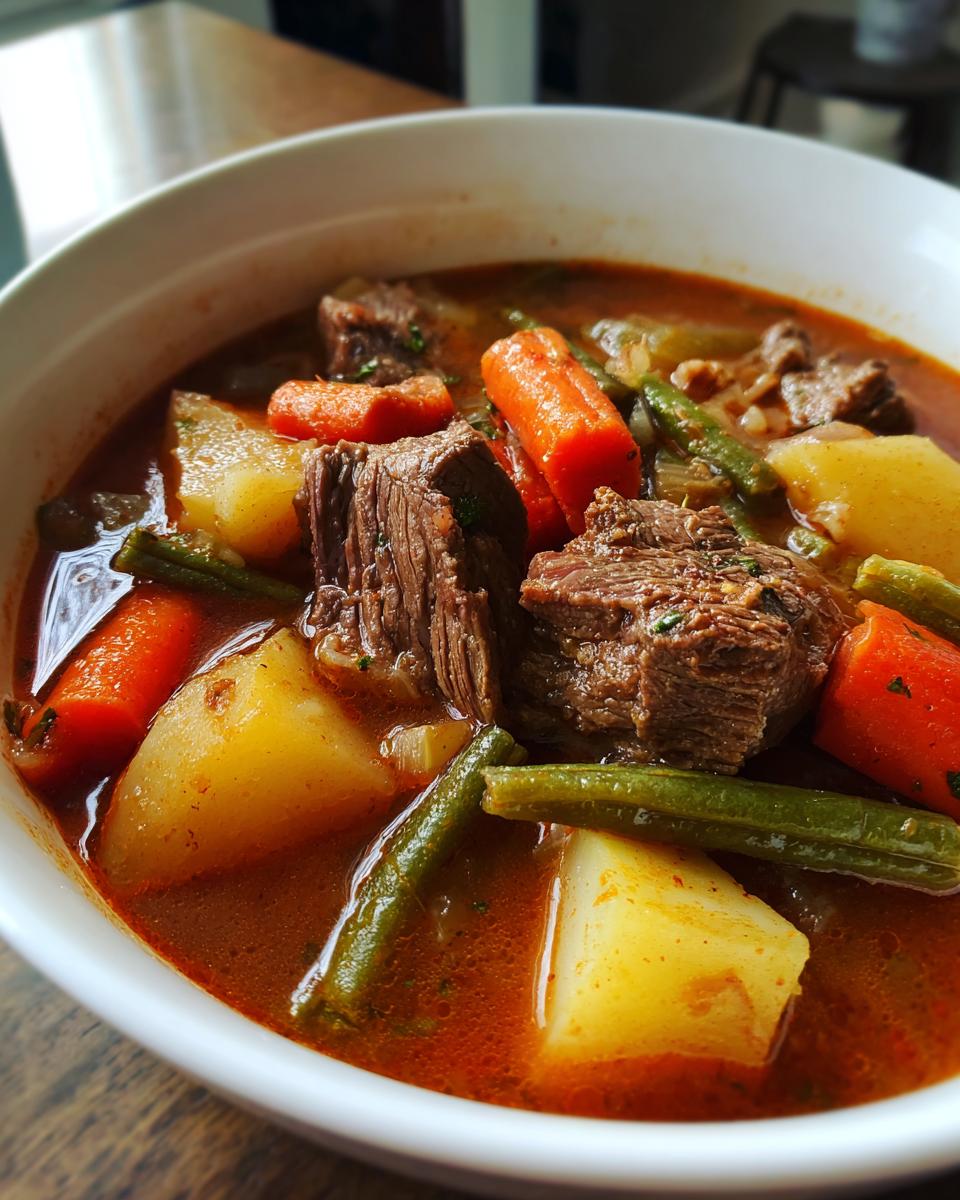
I know life is busy, and sometimes you stare at that chuck roast and think, ‘I don’t have 90 minutes today!’ Don’t worry one bit; this recipe is fantastic no matter how you cook it. If you’re heading out in the morning and want soup waiting for you, this is perfect for the slow cooker. For a slow cooker vegetable beef soup, you just brown the beef and sauté the veggies on the stovetop first—don’t skip that part, please! Then, toss everything except those frozen veggies into the slow cooker and let it run low for six to eight hours.
It’s wonderful when you get home to that amazing aroma! Now, if you happen to own a pressure cooker, you can certainly use it too. The general rule is to cook it until that beautiful beef is just fork-tender, which usually shaves off a ton of time compared to simmering. Just remember to always add your frozen green beans and peas only in the last few minutes, no matter the method. If you love kitchen gadgets, you might want to steal my recipe for easy slow cooker apple butter recipe, too!
Making Ground Beef Vegetable Soup Variations
Now, I have to be real with you. While I absolutely adore turning a chuck roast into tender perfection for our classic beef and vegetable soup, sometimes you need dinner faster than an hour-long simmer allows. And that is when we pivot to the ground beef vegetable soup version!
If you look at my notes, you’ll see I included a little trick for this situation. You won’t get that same chunky texture, obviously, but you get that incredible savory flavor profile much quicker. If you decide to go this route, you’ll brown about a pound and a half of ground beef first, just like you would for chili. Make sure you drain off all that fat—we want flavor, not grease!
You add the cooked ground beef right back in when you add the broth and tomatoes (Step 5 in the recipe). Since the meat is already cooked, you cut down significantly on the initial simmer time needed to tenderize the roast. It makes for a lighter broth experience, but honestly, it’s still one of my favorite comfort food soup recipes when time is tight. Everybody has a version of this soup they grew up with, and sometimes the hamburger version is the one that sticks!
Serving Suggestions for This Comfort Food Soup Recipes
When you’ve made a pot of rich, hearty vegetable beef soup like this, you deserve an ending that’s just as cozy! This isn’t just dinner; it’s an experience, especially when you’re planning your best winter dinners. Honestly, the absolute best partner for a deep, savory broth is something sturdy for dipping.
You simply have to have some bread! I highly recommend my recipe for crusty homemade French bread—its crust stands up beautifully to that broth. If you’re feeling a bit lighter, a simple side salad with a sharp vinaigrette cuts through the richness perfectly. Or, if you want to see another take on this classic, check out this recipe! It’s truly one of the best comfort food soup recipes out there.
Storage and Reheating Your Vegetable Beef Soup
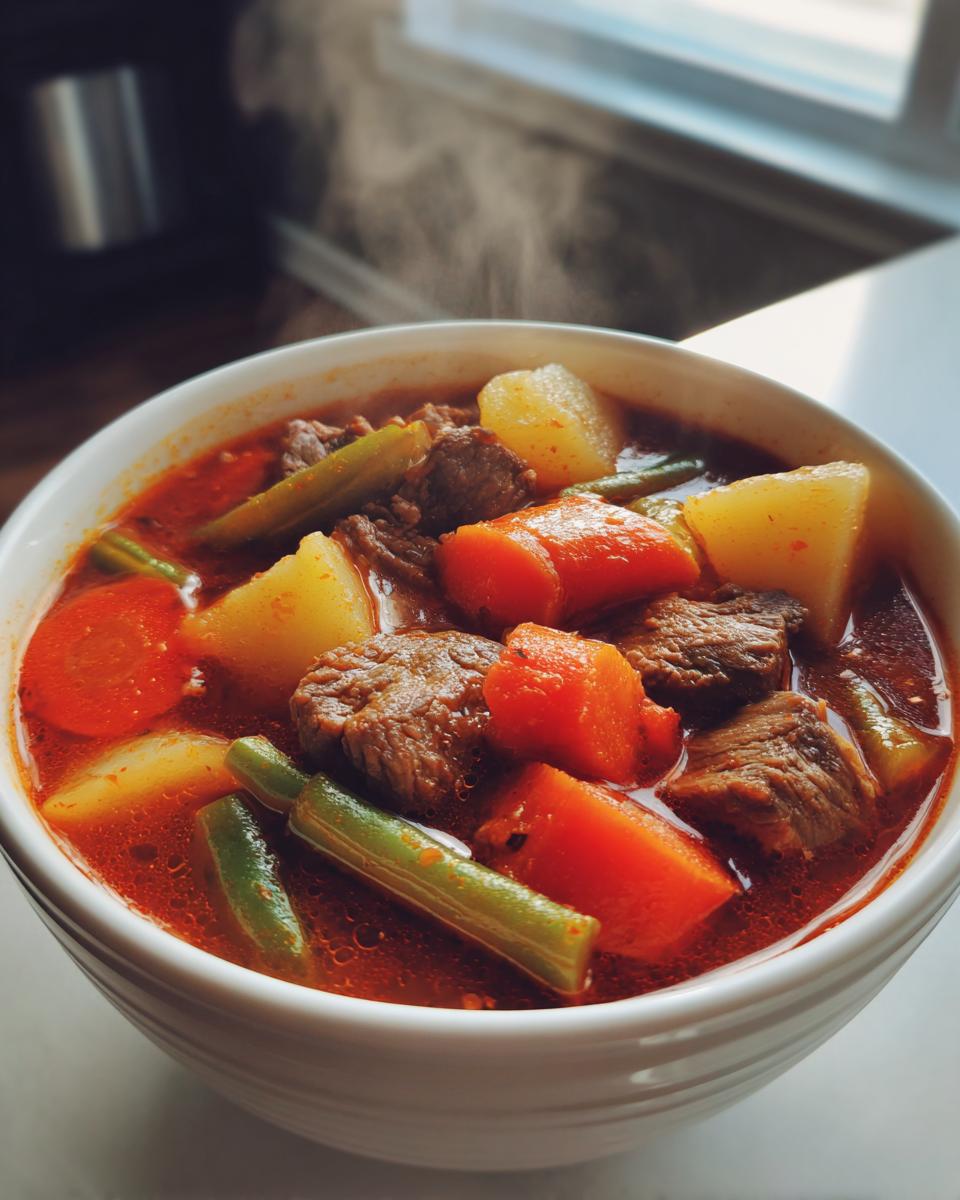
The best thing about making a big pot of vegetable beef soup? Leftovers! This soup is actually even better the next day once those flavors have really had time to marry together. You can keep it sealed up tight in the fridge for about four full days. If you know you won’t get to it that fast, definitely freeze it!
When freezing, I always like to scoop it into containers up to the top, leaving a little headspace because liquids expand when they freeze, you know how that goes. It’ll last great in the freezer for up to three months. When it’s time to reheat, the stovetop is always your friend. Just heat it slowly over medium-low heat, stirring occasionally. Avoid blasting it on high heat, especially if you used chuck roast, because we don’t want the beef to seize up on you!
Frequently Asked Questions About Vegetable Beef Soup
I get so many great questions about keeping this vegetable beef soup recipe flexible and flavorful! It’s wonderful to know you all are making this classic dish for your families. Here are some of the things I hear most often about perfecting your beef and veggie stew.
Can I use frozen vegetables instead of fresh?
Oh yes, absolutely! I know sometimes you’re busy, and those bags of frozen good things are a lifesaver. If you use them, just remember our two-part cooking process for the vegetables. You still want to cook your carrots and celery fresh with the onions at the beginning because they need that time to soften up. But for the frozen green beans and peas, hold off until the very end! You only add those in the last 5 to 10 minutes of cooking, just like in Step 8 of the instructions. This stops them from turning into mush while keeping your soup looking bright and beautiful.
How can I make the broth extra rich?
If you want to take your broth from savory to absolutely unforgettable, I have a couple of my favorite little secrets. First, if you happen to have homemade beef stock on hand? Use it! There’s nothing better than your own prepared stock for deep flavor. If you are using store-bought broth, here is my trick: when you are sautéing the onions and carrots (Step 3), after they soften up but before you add the garlic, pour in just a small splash—maybe a quarter cup—of dry red wine, like a Merlot or Cabernet. Let it bubble and reduce down completely for a minute or two. That acidity deepens the entire flavor profile for your hearty vegetable beef soup base. It adds incredible complexity!
Another thing that helps is using a more flavorful broth concentrate. If you look at how I handle a major roast, like in my easy herb-crusted prime rib roast recipe, you see I focus on developing deep savory notes. A good quality bullion paste dissolved into water can sometimes give you a better starting point than a thin boxed broth. And seriously, don’t forget that Worcestershire sauce—it’s the secret handshake of flavor!
I always recommend checking out what Natasha does over at her site on her version of this soup when you’re looking for reliable weeknight soup ideas; she has some great tips for balancing acidity!
Nutritional Estimates for This Wholesome Beef Soup
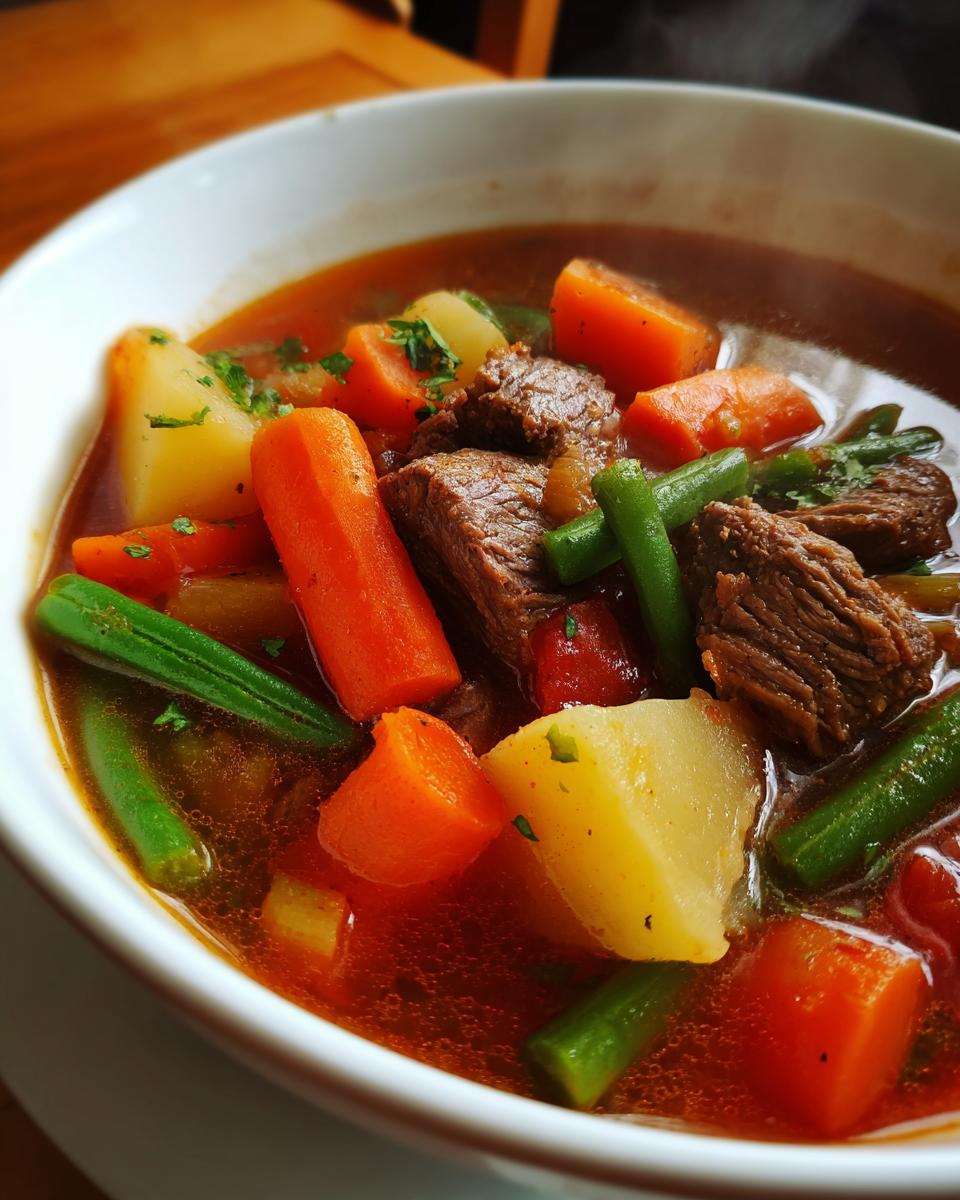
When you’re making a big pot of this wholesome beef soup, you want to know what you’re feeding your family, right? These numbers are just estimates, so keep in mind that the brand of broth or the exact cut of meat you use can change things up a bit. In general, for a serving size of about 1.5 cups, you’re looking at roughly 350 calories. It’s nicely balanced too: about 14 grams of fat, 32 grams of protein, and 25 grams of carbohydrates. It makes for a wonderfully satisfying meal!
Share Your Experience with This Classic Vegetable Beef Soup
Well, that’s it! You’ve made a true classic—a great big pot of hearty, old-fashioned comfort that’s going to warm up your whole house. I truly hope this classic vegetable beef soup brings back all those wonderful childhood memories for your own family.
I pour my heart into sharing these recipes from my Midwest kitchen, and the best part of Cookin’ Corner is hearing from you all! If this soup hit the spot for your weeknight dinner or your Sunday lunch, would you mind hopping back here and giving it a rating? Five stars would make my day!
More than anything, I want to know—what memory does this type of rich, savory soup bring up for you? Was it camping trips? Rainy days at Grandma’s house? Drop a comment below and tell me about your soup memories. It helps me keep making recipes that feel like home. If you want to learn more about our mission here at Cookin’ Corner, you can peek at our About page. And if you see other takes on the recipe, like this one over at Cleverly Simple, it’s always fun to see how everyone cooks their own favorite twists!
PrintHearty Old Fashioned Vegetable Beef Soup
This classic vegetable beef soup recipe delivers a rich, savory broth and tender beef chunks, making it the ultimate comfort food for family dinners.
- Prep Time: 20 min
- Cook Time: 1 hour 30 min
- Total Time: 1 hour 50 min
- Yield: 6 servings 1x
- Category: Dinner
- Method: Stovetop Simmering
- Cuisine: American
- Diet: Low Fat
Ingredients
- 2 pounds beef chuck roast, cut into 1/2-inch cubes
- 1 tablespoon olive oil
- 1 large yellow onion, chopped
- 2 celery stalks, chopped
- 3 carrots, peeled and sliced
- 2 cloves garlic, minced
- 6 cups beef broth
- 1 (14.5 ounce) can diced tomatoes, undrained
- 1 teaspoon dried thyme
- 1 teaspoon dried oregano
- 1 bay leaf
- 1 teaspoon salt
- 1/2 teaspoon black pepper
- 2 medium potatoes, peeled and diced
- 1 cup frozen green beans
- 1 cup frozen peas
- 1 tablespoon Worcestershire sauce
Instructions
- Season the beef cubes lightly with salt and pepper.
- Heat the olive oil in a large Dutch oven or stockpot over medium-high heat. Brown the beef in batches, ensuring not to overcrowd the pot. Remove the browned beef and set it aside.
- Reduce the heat to medium. Add the onion, celery, and carrots to the pot. Cook until the vegetables soften, about 5 to 7 minutes.
- Add the minced garlic and cook for 1 minute until fragrant.
- Return the beef to the pot. Pour in the beef broth and add the diced tomatoes (with their juice), thyme, oregano, bay leaf, salt, pepper, and Worcestershire sauce.
- Bring the mixture to a boil, then reduce the heat to low, cover the pot, and simmer for 1 hour, or until the beef is becoming tender.
- Add the diced potatoes to the soup. Continue to simmer, covered, for 15 minutes.
- Stir in the frozen green beans and frozen peas. Cook for another 5 to 10 minutes, or until the vegetables are tender and the beef is fully cooked and soft.
- Remove and discard the bay leaf before serving your hearty vegetable beef soup.
Notes
- For a slow cooker vegetable beef soup, combine all ingredients except frozen vegetables in the slow cooker. Cook on low for 6 to 8 hours or high for 3 to 4 hours. Add frozen vegetables during the last 30 minutes of cooking.
- If you prefer ground beef vegetable soup, brown 1.5 pounds of ground beef first, drain the fat, and add it in Step 5 instead of the chuck roast.
- Taste the broth before adding extra salt, as the beef broth often contains a good amount of sodium.
Nutrition
- Serving Size: 1.5 cups
- Calories: 350
- Sugar: 8
- Sodium: 650
- Fat: 14
- Saturated Fat: 5
- Unsaturated Fat: 9
- Trans Fat: 0
- Carbohydrates: 25
- Fiber: 5
- Protein: 32
- Cholesterol: 85