

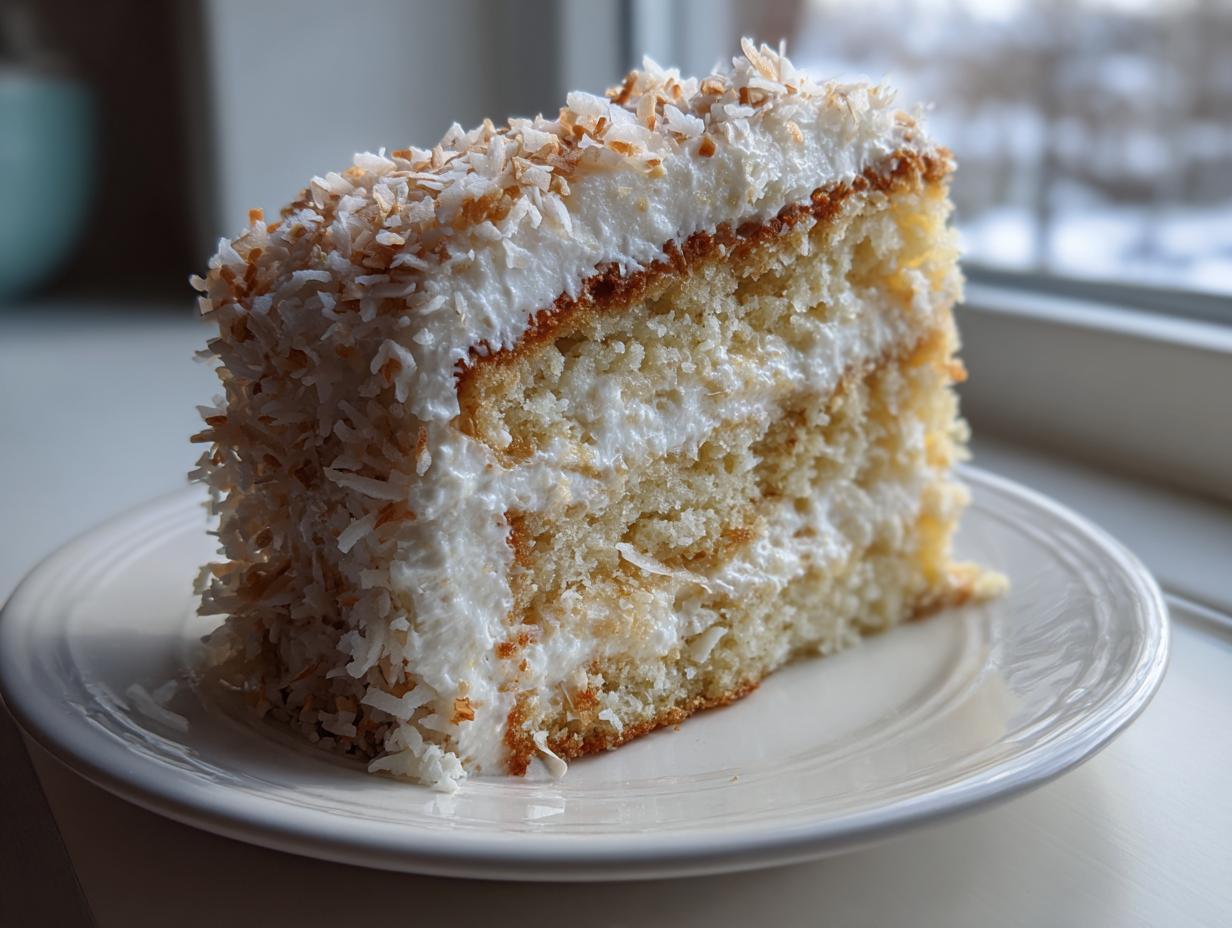
Oh, honey, the smell of a truly Southern coconut cake baking? That’s not just a scent, that’s a warm memory wrapping you up like a quilt on a cool evening. If you’ve ever chased that perfect slice—moist, fluffy, deeply coconut-flavored, and slathered in something rich—then you’ve come to the right place. I’m Sarah Jane, and this ultimate coconut cake recipe, made completely from scratch, is the one that finally brought that bakery-style perfection right into my own kitchen. My grandma taught me that baking isn’t just about measuring; it’s about patience and using quality ingredients, lessons I carry into every batch I make for Cookin’ Corner. You can see that same dedication in my other favorites, like the moist red velvet cake recipe!
Forget those dry, lackluster versions you might have tried before. We’re aiming for a cake so tender you swear it’ll float right off the plate. This combination uses whole milk and cream of coconut to guarantee moisture, balanced beautifully by a tangy homemade coconut cream cheese frosting that seals the deal. Trust me, once you master this, you’ll never buy a coconut cake mix again!
- Why This is the Best Coconut Cake Recipe You Will Ever Make
- Ingredients for the Ultimate Moist Coconut Cake Recipe
- How to Make a Homemade Coconut Cake From Scratch: Step-by-Step Instructions
- Tips for the Perfect Old Fashioned Coconut Cake Recipe
- Ingredient Notes and Substitutions for Your Coconut Cake Recipe
- Serving Suggestions for This Tropical Coconut Dessert
- Storage and Reheating Instructions for Coconut Cake
- Frequently Asked Questions About This Coconut Cake Recipe
- Estimated Nutritional Data for This Coconut Cake Recipe
- Share Your Perfect Coconut Cake Creation
- Estimated Nutritional Data for This Coconut Cake Recipe
- Share Your Perfect Coconut Cake Creation
Why This is the Best Coconut Cake Recipe You Will Ever Make
I’ve tested nearly every combination out there, and I can confidently tell you that this is the absolute best coconut cake recipe. It took me years of tweaking to get it just right, but that dedication pays off in spades. If you’re looking for that nostalgic, rich, and truly authentic Southern coconut cake dessert, stop scrolling right now. This is it!
Here’s why I consider this recipe a keeper:
- It’s truly made from scratch, meaning no weird additives, just pure flavor.
- We use a specific method that guarantees a fluffy crumb that rivals any bakery creation.
- The moisture level is insane, thanks to a couple of secret liquids we sneak in there.
- The frosting is a fluffy yet tangy coconut cream cheese frosting—it cuts through the sweetness perfectly!
Once you try this texture, you’ll understand why I can’t stop bragging about it. If you love baking classics, you should also check out my sweet potato pound cake or this bright lemon cake recipe!
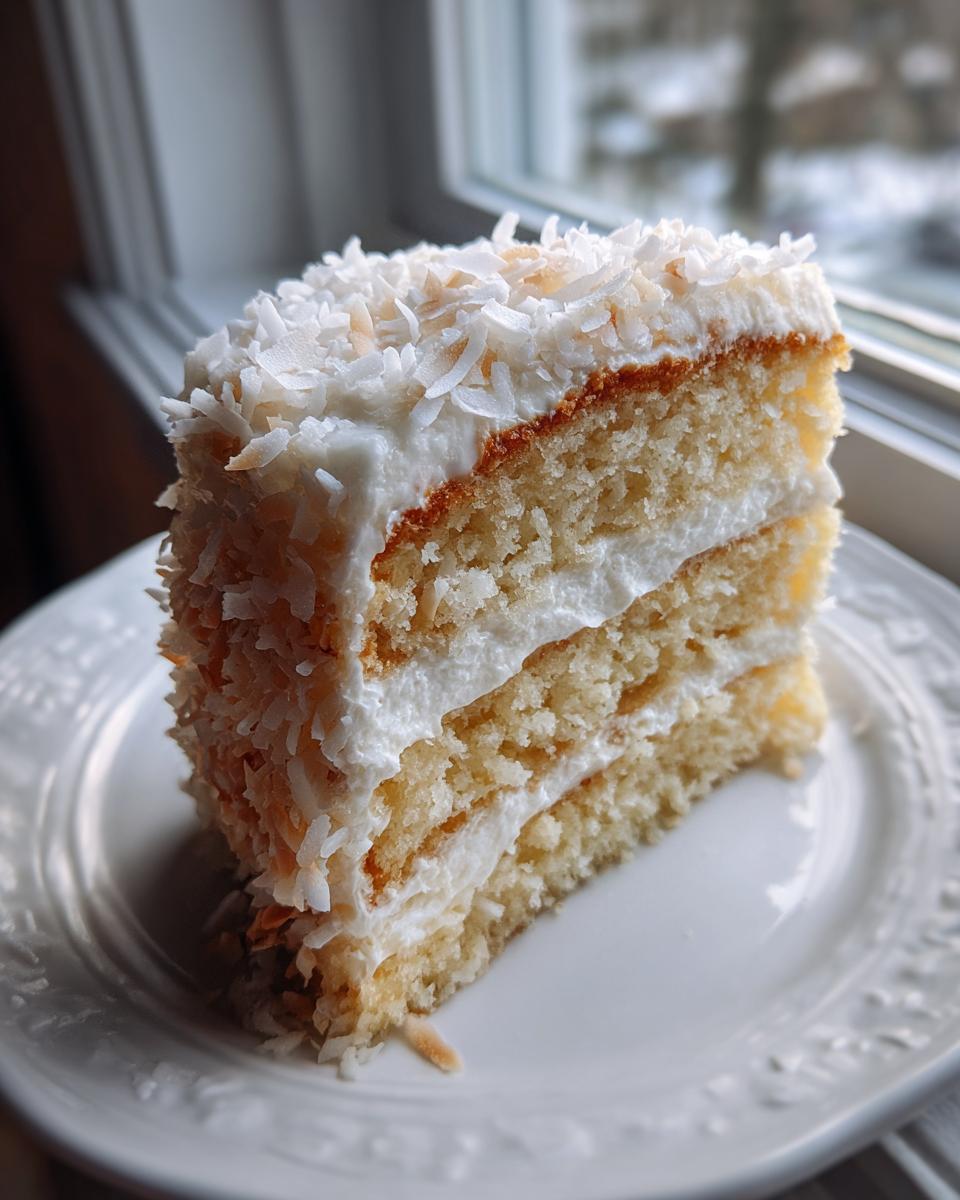
Ingredients for the Ultimate Moist Coconut Cake Recipe
You need the right tools for the job, and for this moist coconut cake recipe, the quality and state of your ingredients matter a ton. I’ve listed everything out here for you; just double-check that butter and eggs are at room temperature when you start mixing. That simple step makes a world of difference when you are trying to achieve that perfect fluffy texture.
For the Fluffy Coconut Layer Cake
These are the components that create the cake base. Make sure everything requiring temperature control is sitting out first. That warmth helps everything blend into a beautiful, even emulsion later!
- 1 3/4 cups all-purpose flour
- 1 3/4 cups granulated sugar
- 1 tablespoon baking powder
- 1/2 teaspoon salt
- 1 cup unsalted butter, softened (very important!)
- 4 large egg whites, room temperature
- 1 cup whole milk, room temperature
- 2 teaspoons pure vanilla extract
- 1/2 cup cream of coconut (like Coco Lopez—this is our secret weapon!)
- 1/2 cup unsweetened shredded coconut, packed
- 1/4 cup coconut milk (full fat, canned, for brushing the layers)
- 1 cup unsweetened shredded coconut, toasted, for topping
For the Coconut Cream Cheese Frosting Recipe
This is the tangy, rich topping that ties the whole coconut cake recipe together. A good frosting needs good creaming!
- 8 ounces cream cheese, softened
- 1/2 cup unsalted butter, softened
- 4 cups powdered sugar, sifted (don’t skip the sifting!)
- 1 teaspoon pure vanilla extract
- 1/4 cup cream of coconut
- 1/4 cup unsweetened shredded coconut, packed
How to Make a Homemade Coconut Cake From Scratch: Step-by-Step Instructions
Now we get to the real fun! Making a truly homemade coconut cake from scratch takes a little love, but it’s totally worth it. Follow these steps closely, especially around the mixing stage, and I promise you’ll get that light, cotton-candy-like crumb everyone raves about in this coconut layer cake tutorial.
Preparing the Cake Layers
First things first: get that oven preheated to 350°F (175°C). You want it fully ready when your batter is mixed. Next, prepare your two 8-inch round pans. Don’t just grease them; properly grease AND flour them, and then cut out parchment circles for the bottoms. This is my insurance policy against sticking, especially with a cake this delicate. While you’re setting up, make sure your butter, milk, and egg whites are at room temperature for this coconut cake recipe. If they’re cold, they won’t emulsify properly!
In a big bowl, just whisk together all the dry stuff: the flour, sugar, baking powder, and salt. Once they look friends, pour in the softened butter. Mix this on a low speed until it looks like damp, coarse sand. This step helps coat the flour particles with fat, which is key to keeping that final crumb tender.
Mixing the Fluffy Coconut Cake Batter
Time to bring the wet ingredients together. Whisk up your room-temperature egg whites, milk, vanilla, and our secret weapon, the cream of coconut, separately. Now, here comes the most important part for texture: Add those wet things to the dry mixture slowly, in about three parts. Mix on low speed until they just barely come together after each addition. I mean it—just combine them!
The absolute biggest mistake people make when chasing a fluffy coconut cake is overmixing once the flour hits the liquid. Once you have your wet and dry just incorporated, gently fold in that half-cup of shredded coconut we reserved. Fold, don’t stir! You want to keep all that air we worked so hard to create. Then, divide that beautiful batter evenly between your prepared pans. If you want to see another great scratch recipe, check out my guide for the moist and easy homemade chocolate cake!
Baking and Cooling the Cake
Bake those beauties for about 30 to 35 minutes. You know they’re done when a toothpick inserted right in the center comes out clean. But wait! Don’t rush them out of the pan immediately. Let them hang out in their pans for a good 10 minutes. This short rest allows the edges to firm up slightly so you don’t have a major collapse when you flip them out onto the cooling racks. Once they are totally cool—and I mean *totally* cool—you can start frosting.
Assembling the Coconut Cake Recipe with Frosting
While the cakes cool, make that coconut cream cheese frosting! You need to beat the softened cream cheese and butter until they are genuinely light and fluffy before you even think about adding the powdered sugar. Add the sugar slowly, mixing on low until it disappears, then beat until it’s light, add your vanilla and the remaining cream of coconut. This frosting is so rich, but that little bit of tang from the cream cheese keeps it from being too heavy!
To finish this moist coconut cake recipe, take your first cooled layer and brush the top with a splash of that canned coconut milk we saved—this boosts the moisture even more! Then, spread about a third of your frosting evenly over that layer. Top with the second layer, frost the whole thing, and then gently press that toasted coconut all over the sides and top. If you’re looking for tips on other rich desserts, I highly recommend checking out what Julie Marie does with her recipe here!
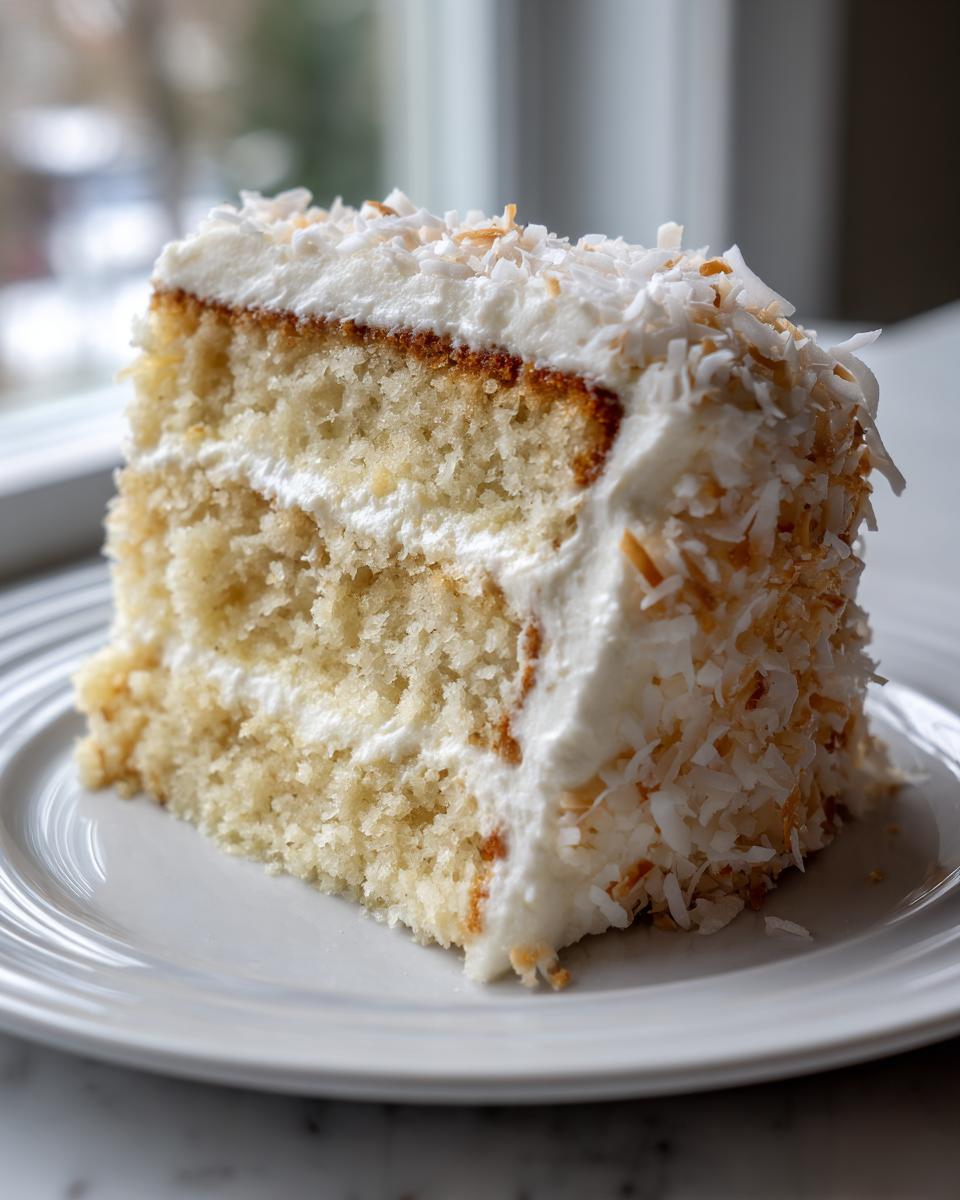
Tips for the Perfect Old Fashioned Coconut Cake Recipe
Getting this old fashioned coconut cake recipe perfect is all about those little finishing touches. You can have the best batter in the world, but if you burn the topping, well, it’s just not the same, right? These are the habits I picked up from my grandmother that ensure every bite tastes like sunshine and nostalgia.
First, let’s talk seriously about toasting that coconut for the topping. This step takes your cake from “good” to “I need the recipe!” Spread your 1 cup of unsweetened shredded coconut in a single, thin layer on a baking sheet. Pop it into the oven—the same 350°F we used for the cake works great—but you have to watch it like a hawk. It goes from pale white to deep golden brown in about 60 seconds flat, and nobody wants burnt coconut flakes!
I usually check it starting at five minutes. You’re looking for a lovely, light toasty color around the edges. Pull it out when it’s *almost* as dark as you want it, because it will keep cooking just a tiny bit once it’s out of the heat. Immediately slide it off the hot pan onto a piece of parchment paper; if you leave it on the sheet, the residual heat will burn the bottoms.
Next up: Frosting Consistency. Cream cheese frosting is heavenly, but it can get super soft, especially if your kitchen is warm. If your frosting starts looking too loose while you’re trying to frost the sides, don’t panic and add more powdered sugar right away! That just makes it grainy.
Instead, take the whole bowl and pop it in the fridge for about 15 minutes. Seriously, chill it out! Cold fats firm right back up, and you’ll be able to smooth those sides beautifully without the frosting sliding down. Keep that cake chilled between layers if you are stacking them high; it gives you the structure needed for a gorgeous presentation. If you like to make recipes that keep well, you might enjoy my soft applesauce cookies too; they stay perfect for days!
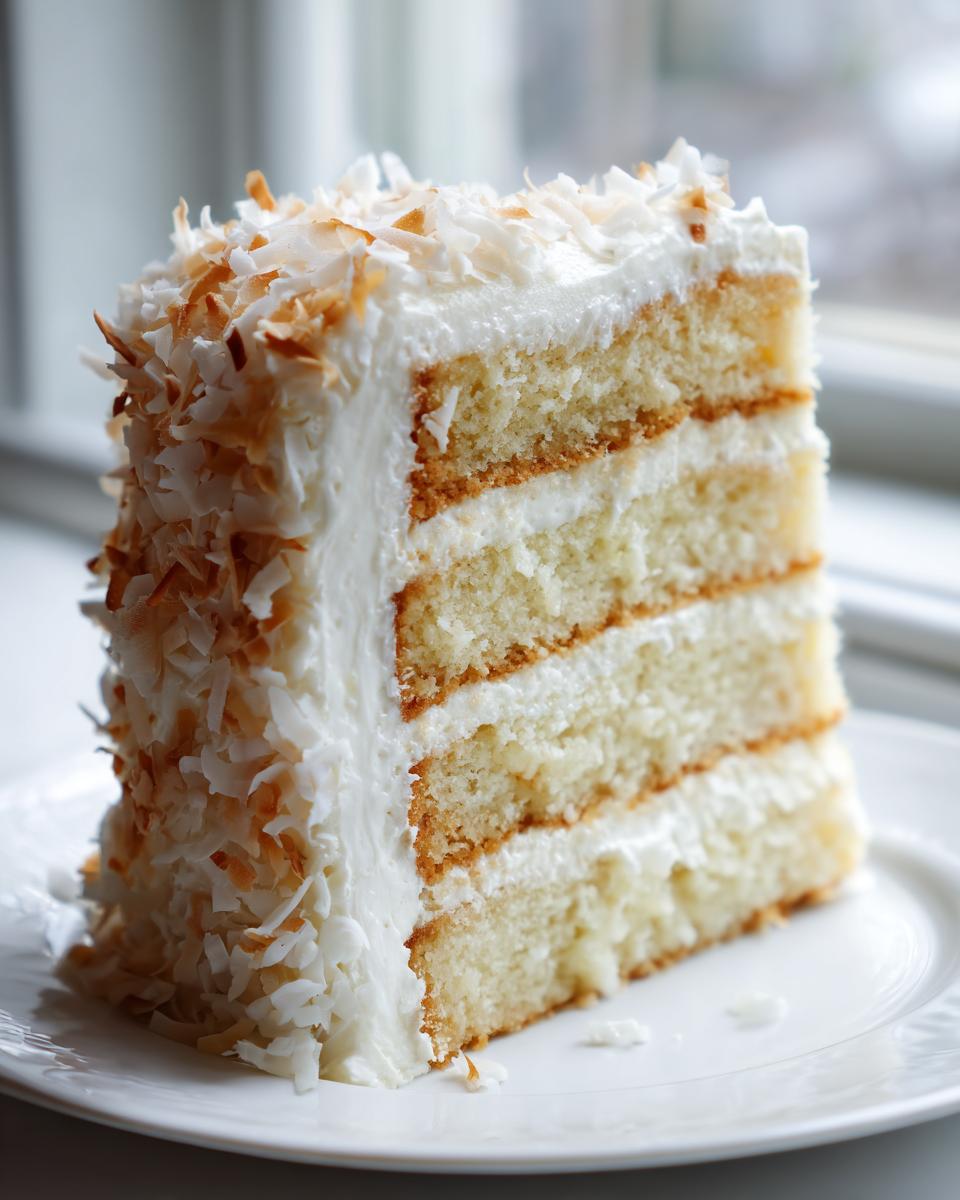
Ingredient Notes and Substitutions for Your Coconut Cake Recipe
When you’re making a showstopper like this coconut cake recipe, sometimes you hit the store and realize you’re missing one tiny thing. Don’t let that stop you! I want to give you the rundown on what *must* stay the same and where you have a little wiggle room. Authenticity is important, but so is getting a cake on the table!
The most confusing part, I’ll admit, is all the coconut stuff. We use three different types in this recipe, and substituting them incorrectly can really change the texture and flavor. My goal here is to give you a flavor that tastes like a true bakery style coconut cake, so be mindful when making swaps!
Cream of Coconut vs. Coconut Milk
Okay, listen closely: the cream of coconut (like Coco Lopez, which is usually found near the mixers or tropical drink stuff) is a thick, sweetened syrup. That’s what we need for flavor and moisture *in the cake batter* and the frosting. It’s super sweet!
The canned full-fat coconut milk that we use to brush the layers? That’s different. It’s thinner and less sweet, giving us that extra soak without making the cake buckle under syrup. Do NOT swap those two! If you use the thick cream of coconut to brush the layers, your cake will be way too sweet and might weep.
Now, coconut cream of coconut extract? You can use that if you absolutely cannot find the pure cream of coconut, but you’ll need to add a little extra sugar to the batter to compensate for the missing liquid volume. I’d suggest maybe 1/2 teaspoon of extract for every 1/2 cup of liquid called for.
Handling the Egg Whites
This fluffy coconut cake relies on those four egg whites to give us height and structure without adding the heaviness of yolks. For the absolute fluffiest result, they need to be at room temperature—I mean it. Cold egg whites just don’t whip up as nicely when incorporated into the batter structure.
However, if you are desperate or only have whole eggs, you can use them! Just know that replacing the four egg whites with two or maybe two and a half whole eggs will result in a slightly denser cake. It will still be moist because of the liquids we add, but it will lean more toward a rich pound cake texture rather than that light, cloud-like fluffiness we are championing here.
Butter Consistency is Non-Negotiable
Whether you are making the cake or the frosting, the butter must be softened. I don’t mean oily and melted! I mean soft enough that if you press your finger into it gently, it leaves a clean indent without squishing through. If your butter is too warm, your frosting will stabilize into a buttery puddle, and your cake batter will separate. Trust me, using cool, properly softened butter is foundational to nailing this entire homemade coconut cake from scratch!
Serving Suggestions for This Tropical Coconut Dessert
I mean, who are we kidding? This cake is definitely the star of the show, but deciding what to serve *with* it can make the experience even better. Since this coconut cake recipe is so rich and sweet, especially with that cream cheese frosting, you don’t want to weigh things down with heavy side desserts. Keep it light!
For an afternoon gathering or brunch, I always make sure I have a pot of simple, strong coffee brewing. The slight bitterness of a good dark roast cuts through the sweetness of the coconut and the tang of the frosting perfectly. If coffee isn’t your thing, a light, slightly floral tea works wonderfully, too—think Earl Grey or maybe a Jasmine green tea. Simple beverages really let that tropical coconut dessert shine.
Now, if you’re staging this for photos—because we all know presentation matters, especially when showing off a gorgeous layer cake!—you absolutely have to lean into that toasted coconut topping. Don’t just sprinkle it lightly. Pile it up a bit proud on top, or press a thick layer around the base of the bottom tier. It adds incredible texture and depth of color, making it look instantly bakery-worthy.
If someone insists on something extra on the plate, forget big slices of pie! Instead, I like to serve a small, tart piece of fresh pineapple or maybe a couple of raspberries on the side. That small pop of acidity cleanses the palate between those big, fluffy bites. It’s a refined touch that proves you didn’t just bake a cake; you created an experience! If you are whipping up any fun drinks to go with it, you have to try my recipe for whipped hot chocolate, even though it’s usually cold weather fare, it’s fun!
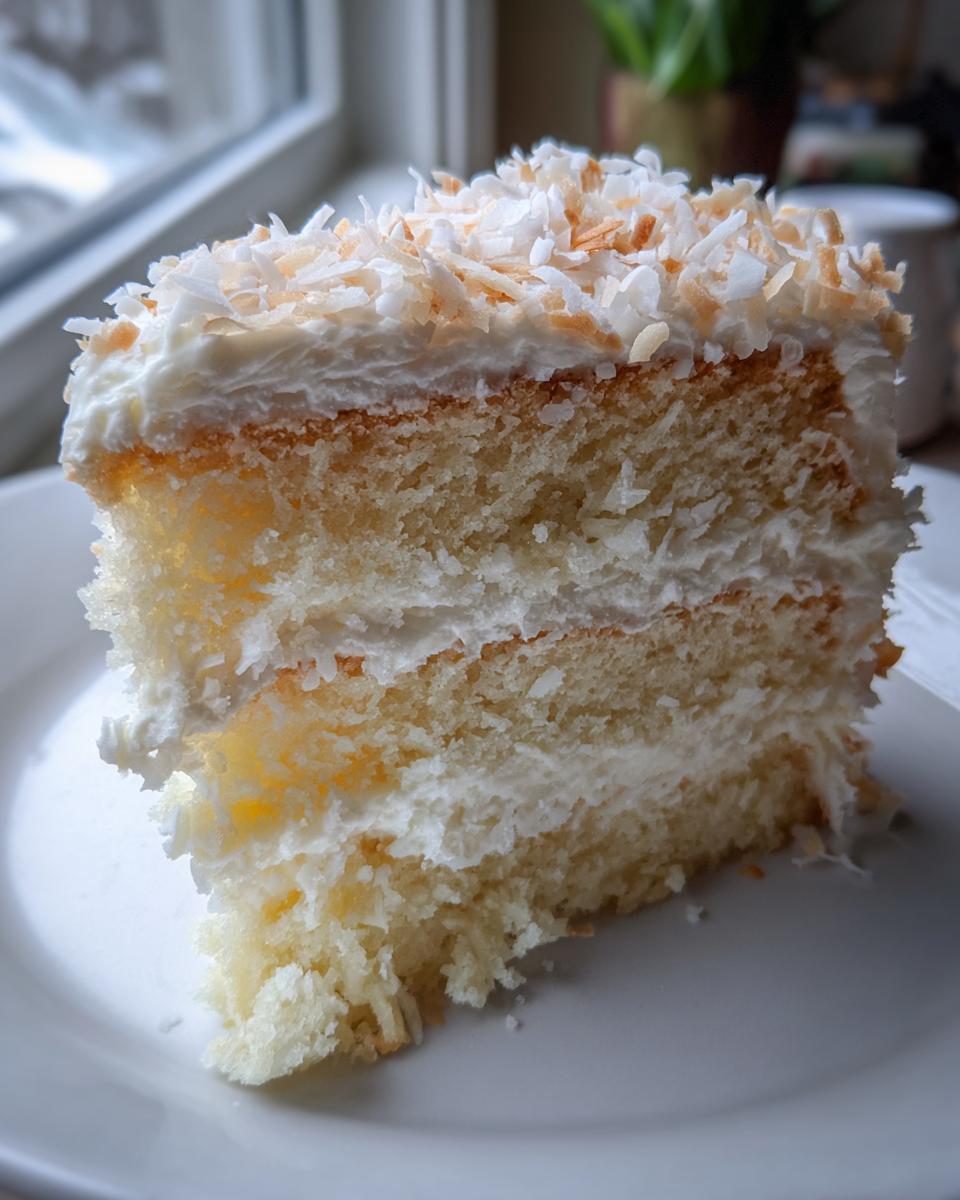
Storage and Reheating Instructions for Coconut Cake
Whew, we made it! You have this massive, moist, incredible coconut cake recipe sitting on your counter, and now you have to figure out how to keep it looking and tasting perfect until everyone gets a slice. Don’t worry, saving layer cakes with cream cheese frosting is easier than you think, but there are definite rules, especially with all that moisture we packed in!
My main advice, which is my golden rule for almost any cake I bake, is to let the cake come to room temperature before serving it. Even if you store it in the fridge, waiting 30 to 45 minutes before slicing makes a huge difference in the tenderness of the crumb. That rich butter in the frosting and the cake itself gets hard and stiff when cold, so plan ahead!
Storing Your Fully Frosted Coconut Cake
Because this frosting contains cream cheese—a soft dairy product—we absolutely have to treat it like we would any other fresh dairy topping. The best way to store your beautifully frosted cake is in the refrigerator. Pop it into an airtight cake carrier or cover it loosely with plastic wrap, making sure the wrap isn’t touching the toasted coconut on top, or it’ll get sad and soggy.
In the fridge, this beautiful moist coconut cake recipe will stay perfect for about three to four days. Any longer than that, and I worry about the quality of the texture, even though it’s technically still safe to eat.
Can I Keep This Cake On The Counter?
If you plan on eating the entire cake within about 24 hours, you *can* leave it out at cool room temperature. The high sugar content in the frosting acts as a natural preservative, which is why Grandma often just left hers out on the counter! But here’s the catch: if your kitchen is warm or humid, the cream cheese will soften too much, and you’ll have frosting running down the sides faster than you can blink. If you are serving it the same day you bake it, putting it in a cool pantry is generally fine.
Tips for Storing Unfrosted Layers
Sometimes life gets busy, and you need to bake the cake layers ahead of time—totally fine! Once those layers are completely cooled on the rack, wrap each one *individually* tight in plastic wrap. I usually go plastic wrap, then a layer of aluminum foil over that. This double wrap locks out any air that could dry them out. You can store them like this on the counter for a day, or wrap them tightly and stick them in the freezer for up to two months! When you’re ready to frost, just thaw them right on the counter, still wrapped, until they soften up.
If you’re looking for other make-ahead recipes that freeze well, you should peek at my easy no-bake ice cream pie! It’s perfect for when you just can’t face turning the oven on again.
Frequently Asked Questions About This Coconut Cake Recipe
I get so many sweet emails from folks who have tried this recipe, and often the questions come up again and again. Since you’ve put in all that hard work to make this incredible coconut cake recipe, I want to make sure every question you have is answered! Here are some of the things people ask me most often about achieving that perfect tropical flavor.
Can I make this an easy coconut cake recipe by using a box mix?
Oh, I know the appeal of leaning on a boxed mix when time is tight, but if you want that truly special, bakery style coconut cake experience, you really need to stick to the scratch method described here. Box mixes have different ratios of flour and leavening agents than what we use when pairing them with our specific liquid amounts (like the cream of coconut!). If you try to add our milk and cream of coconut to a white cake mix, the texture often turns out gummy or just too dense for what we’re aiming for. For this recipe, scratch is the way to go for maximum fluffiness!
What if I want a really dense, moist cake, maybe like the Tom Cruise version? Should I use the egg yolks?
That’s a great question pointing toward those richer, slightly heavier cakes! We specifically use only egg whites here because we are prioritizing that light, incredibly fluffy texture. If you prefer a denser cake—more like a traditional butter cake—you can definitely try substituting two of those four egg whites with two whole eggs. Don’t add the yolks from all four, or the cake might become too rich and yellow! You will still have a very moist cake thanks to our liquids, just slightly less “cloud-like” in structure.
Can I skip toasting the coconut for the topping?
You absolutely *can* skip it, but please don’t! Toasted coconut is what separates an ‘okay’ coconut cake from an absolutely magnificent one. Raw, unsweetened coconut is a little papery and doesn’t have that deep, nutty flavor we crave. Toasting it wakes up the oils and adds that beautiful golden color and crunch that makes the final presentation so appealing. Remember what I said above: watch it like a hawk, because it burns fast!
I don’t have access to cream of coconut (like Coco Lopez). What’s the best substitution for this coconut cake recipe?
This is tricky, as cream of coconut is essential for both sweetness and thickness here. If you absolutely cannot find it, you can try making a substitute by simmering 1 can of full-fat coconut milk with 1/2 cup of granulated sugar on the stovetop until it reduces by about a third and thickens slightly. It won’t be *quite* as rich as the store-bought stuff, but it gets you close. If you go that route, make sure you use that thicker reduction in both the cake batter and the frosting!
If you need shortcuts for other baking projects, I have some great ideas for cake mix cookie bars that are super simple, or maybe try these amazing peanut butter cup cookies!
Estimated Nutritional Data for This Coconut Cake Recipe
Since we are dealing with a rich, layered dessert using butter, cream cheese, and cream of coconut, this cake definitely leans toward being decadent! I always want to be upfront about what we are putting into our bodies. Please remember that these numbers are just estimates based on the ingredients I listed and standard portion sizes. Your actual counts might vary slightly depending on the exact brands of butter and coconut milk you grab.
When we talk about making this coconut cake recipe for a special holiday or celebration, knowing the basics helps!
- Serving Size: 1 slice
- Calories: 480
- Sugar: 55g (Yes, it’s a treat!)
- Fat: 26g
- Saturated Fat: 16g
- Carbohydrates: 60g
- Protein: 5g
It’s definitely a beautiful balance of sugar and fat that makes this cake so incredibly satisfying. Enjoy it with knowing glances and big smiles!
Share Your Perfect Coconut Cake Creation
Oh, I truly hope you loved making this cake as much as I love sharing it with you! My heart soars when I hear that one of these tried-and-true recipes made it to your family table and became a new tradition. That’s the whole point of Cookin’ Corner, you know?
If you followed along and baked up this ultimate coconut cake recipe, I absolutely want to hear how it turned out for you! Please take a moment to leave a rating using the stars right below this section—it helps other home cooks find trustworthy recipes just like this one.
Did you make any little tweaks that you think others should know about? Were the layers extra fluffy? Tell me everything in the comments below! And if you snapped a photo of your towering, toasted coconut masterpiece, please tag me! You can reach out directly through my contact page, or share it on social media and tell the world you made my fluffy Southern classic!
Estimated Nutritional Data for This Coconut Cake Recipe
Since we are dealing with a rich, layered dessert using butter, cream cheese, and cream of coconut, this cake definitely leans toward being decadent! I always want to be upfront about what we are putting into our bodies. Please remember that these numbers are just estimates based on the ingredients I listed and standard portion sizes. Your actual counts might vary slightly depending on the exact brands of butter and coconut milk you grab.
When we talk about making this coconut cake recipe for a special holiday or celebration, knowing the basics helps!
- Serving Size: 1 slice
- Calories: 480
- Sugar: 55g (Yes, it’s a treat!)
- Fat: 26g
- Saturated Fat: 16g
- Carbohydrates: 60g
- Protein: 5g
It’s definitely a beautiful balance of sugar and fat that makes this cake so incredibly satisfying. Enjoy it with knowing glances and big smiles!
Share Your Perfect Coconut Cake Creation
Oh, I truly hope you loved making this cake as much as I love sharing it with you! My heart soars when I hear that one of these tried-and-true recipes made it to your family table and became a new tradition. That’s the whole point of Cookin’ Corner, you know?
If you followed along and baked up this ultimate coconut cake recipe, I absolutely want to hear how it turned out for you! Please take a moment to leave a rating using the stars right below this section—it helps other home cooks find trustworthy recipes just like this one.
Did you make any little tweaks that you think others should know about? Were the layers extra fluffy? Tell me everything in the comments below! And if you snapped a photo of your towering, toasted coconut masterpiece, please tag me! You can reach out directly through my contact page, or share it on social media and tell the world you made my fluffy Southern classic!
PrintThe Ultimate Moist and Fluffy Scratch Coconut Layer Cake with Cream Cheese Frosting
This recipe delivers a truly moist and fluffy coconut cake from scratch, layered with rich coconut flavor and topped with a tangy, creamy coconut cream cheese frosting. It is an old-fashioned Southern coconut cake dessert perfect for any celebration.
- Prep Time: 30 min
- Cook Time: 35 min
- Total Time: 65 min
- Yield: 10 servings 1x
- Category: Dessert
- Method: Baking
- Cuisine: American
- Diet: Vegetarian
Ingredients
- 1 3/4 cups all-purpose flour
- 1 3/4 cups granulated sugar
- 1 tablespoon baking powder
- 1/2 teaspoon salt
- 1 cup unsalted butter, softened
- 4 large egg whites, room temperature
- 1 cup whole milk, room temperature
- 2 teaspoons pure vanilla extract
- 1/2 cup cream of coconut (like Coco Lopez)
- 1/2 cup unsweetened shredded coconut, packed
- 1/4 cup coconut milk (full fat, canned)
- 1 cup unsweetened shredded coconut, toasted, for topping
- For the Cream Cheese Frosting: 8 ounces cream cheese, softened
- 1/2 cup unsalted butter, softened
- 4 cups powdered sugar, sifted
- 1 teaspoon pure vanilla extract
- 1/4 cup cream of coconut
- 1/4 cup unsweetened shredded coconut, packed
Instructions
- Preheat your oven to 350°F (175°C). Grease and flour two 8-inch round cake pans. Line the bottoms with parchment paper.
- In a large bowl, whisk together the flour, sugar, baking powder, and salt.
- Add the softened butter to the dry ingredients. Beat with an electric mixer on low speed until the mixture resembles coarse sand.
- In a separate bowl, whisk together the egg whites, whole milk, vanilla extract, and cream of coconut until just combined.
- With the mixer on low, slowly add the wet ingredients to the dry ingredients in three additions, mixing until just combined after each addition. Do not overmix.
- Gently fold in the 1/2 cup of unsweetened shredded coconut.
- Divide the batter evenly between the prepared cake pans. Bake for 30 to 35 minutes, or until a toothpick inserted into the center comes out clean.
- Let the cakes cool in the pans for 10 minutes before inverting them onto a wire rack to cool completely.
- While the cakes cool, prepare the frosting: Beat the softened cream cheese and butter together until smooth and creamy.
- Gradually add the sifted powdered sugar, beating until incorporated. Add the vanilla extract and cream of coconut. Beat until the frosting is light and fluffy.
- Place one cooled cake layer on a serving plate. Brush the top lightly with the 1/4 cup of coconut milk. Spread about one-third of the frosting over the layer.
- Place the second cake layer on top. Frost the top and sides of the entire cake with the remaining frosting.
- Press the toasted shredded coconut onto the top and sides of the cake for decoration. Allow the cake to set before slicing.
Notes
- To toast the coconut for topping, spread it on a baking sheet and bake at 350°F (175°C) for 5 to 8 minutes, watching closely to prevent burning.
- For extra moisture, you can soak the cooled cake layers with a simple syrup made from equal parts water and sugar, infused with a splash of coconut extract.
- This recipe makes a bakery style coconut cake that tastes best when served at room temperature.
Nutrition
- Serving Size: 1 slice
- Calories: 480
- Sugar: 55g
- Sodium: 280mg
- Fat: 26g
- Saturated Fat: 16g
- Unsaturated Fat: 10g
- Trans Fat: 0.5g
- Carbohydrates: 60g
- Fiber: 2g
- Protein: 5g
- Cholesterol: 85mg