
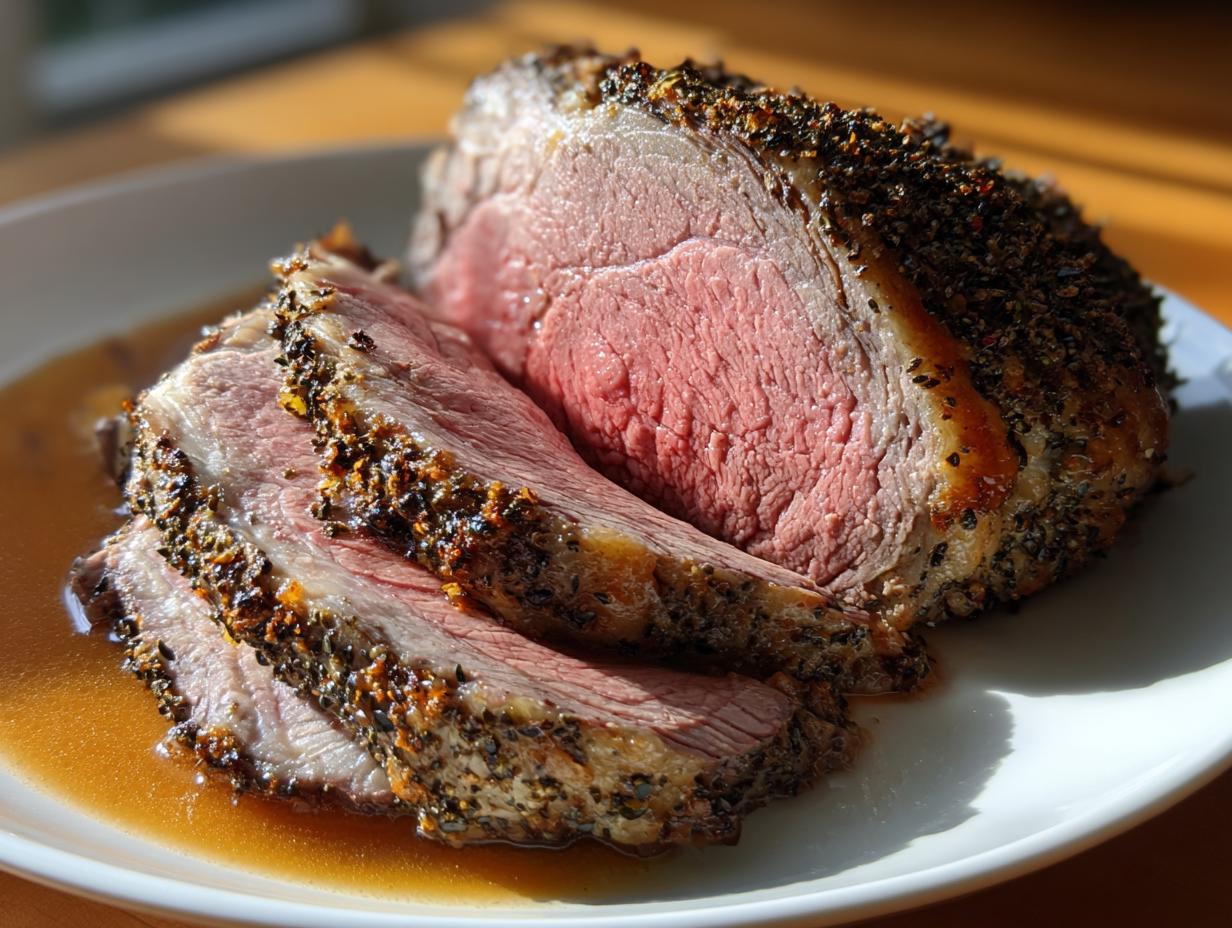
There’s nothing quite like seeing a magnificent roast sitting on the holiday table, right? It just screams celebration, doesn’t it? For me, that centerpiece has always been the perfect prime rib. After years of watching my grandmother handle these large roasts—and yes, making a few disasters myself early on—I’ve finally landed on what I call the ultimate easy, herb-crusted recipe that guarantees that juicy, pink, medium-rare inside every single time. This isn’t some fussy restaurant technique; this is the dependable, tried-and-true method rooted in the heritage of home cooking that Sarah Jane Thompson believes in. Forget worrying about dry beef; we’re making a showstopper that’s actually simple to pull off! If you want to learn more about the traditions that inspire these recipes, you can always read about our story over at Cookin’ Corner.
- Why This Herb Crusted Prime Rib is Your New Holiday Go-To
- Gathering Ingredients for Your Prime Rib Roast
- Easy Prime Rib Instructions: The Foolproof Roast Recipe
- Making Simple Prime Rib with Au Jus Sauce
- Tips for Success with Your Herb Crusted Roast Beef
- Serving Suggestions for Your Holiday Beef Roast Ideas
- Storage and Reheating Instructions for Leftover Prime Rib
- Frequently Asked Questions About Cooking Prime Rib Roast
- Share Your Showstopper Beef Dinner Experience
- Share Your Showstopper Beef Dinner Experience
Why This Herb Crusted Prime Rib is Your New Holiday Go-To
I get it—roasting a huge piece of beef feels intimidating, right? But this method changes everything. It’s designed specifically to take the guesswork out of creating a memorable meal. Once you see how easily you can achieve that perfect result, this becomes your go-to for any big gathering. Trust me, this is the Tender Roast Beef Method you’ve been searching for!
- It delivers a restaurant-quality result without needing professional training.
- You get that deeply flavorful, crisp crust you crave.
- It ensures a wonderfully juicy interior, making it a true Showstopper Beef Dinner.
Achieving the Perfect Medium Rare Roast Every Time
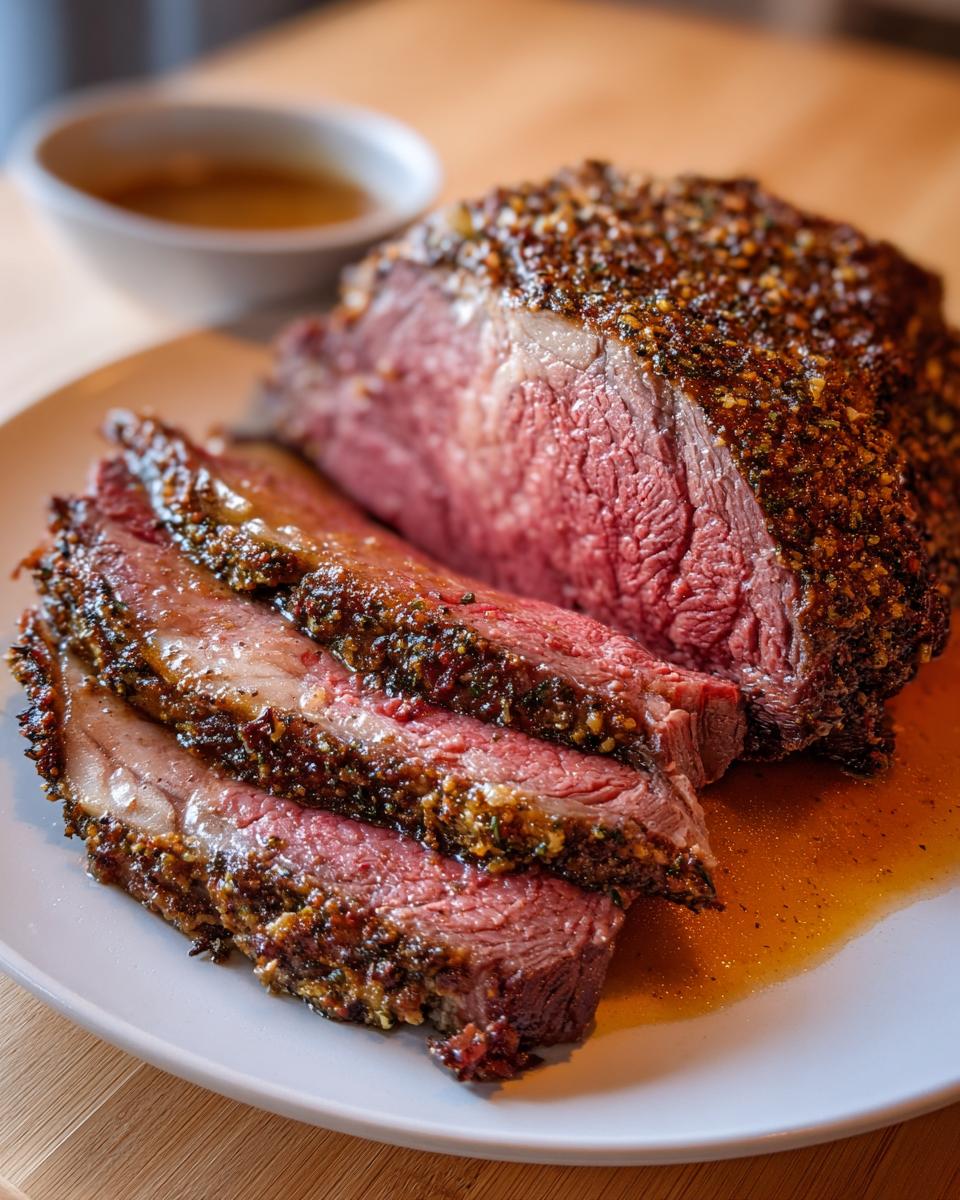
The secret isn’t in voodoo or sheer luck; it’s all about temperature management. We use a high-heat blast to set that crust, then drop the temp way down low. This gentle roasting, followed by crucial resting time, is what locks in those natural juices. If you follow the thermometer guide, you’re guaranteed that Perfect Medium Rare Roast without fail. It’s surprisingly straightforward!
The Flavor Profile of This Prime Rib
What hits you first is the aroma, honestly! We’re building a savory, fragrant layer using classic herbs like rosemary and thyme mixed with plenty of fresh garlic baked right onto the surface. This isn’t just beef; it’s a truly aromatic Garlic Herb Prime Rib experience designed to impress even the pickiest eaters at your table.
Gathering Ingredients for Your Prime Rib Roast
Okay, let’s talk about what you need to bring this incredible showstopper to life! Since this roast is the star of the show, the quality of that main cut matters more than anything else. For this recipe, I stick to a 5- to 7-pound bone-in prime rib roast, sometimes called a standing rib roast. That bone isn’t just for looks, trust me; it helps insulate the meat and keeps things unbelievably tender when you’re learning How to Cook Prime Rib Roast for the first time.
Make sure you grab kosher salt and not the fine table salt—it makes a huge difference in that crust development. And while the recipe calls for dried herbs, only use the best ingredients you can find, because when you’re only using a few things, each one has to shine!
Ingredient Notes and Substitutions for Prime Rib
If you absolutely must use fresh herbs, which I totally support if you have them handy, just remember they are much more potent than dried. I usually swap 1 tablespoon of dried thyme for about 2 tablespoons of finely chopped fresh thyme. Another small note that keeps this in line with a proper Bone In Rib Roast Cooking Guide: letting the roast warm up on the counter for a few hours before you apply the rub is non-negotiable. It helps the seasoning penetrate better!
We are skipping the fancy binder or marinade here; this recipe lets the beef and the simple rub do all the heavy lifting. Keep it pure!
Easy Prime Rib Instructions: The Foolproof Roast Recipe
Alright, deep breaths! This is the section where we turn that beautiful hunk of beef into something truly spectacular. I promise you, these Easy Prime Rib Instructions are designed to handle any kitchen chaos thrown your way! The key here is patience with the prep and then trusting the process when it comes to temperature changes. We are using a two-temperature method to get that amazing crust and an even cook inside. You’ll want to have your meat thermometer handy—it’s your best friend for making sure we hit that sweet spot. Learning how to manage heat like this is vital, much like when I perfect roasting a chicken to get that juicy, crispy skin!
Preparing the Prime Rib and Dry Rub
First things first, planning ahead saves major headaches later! Pull that roast out about three to four hours before you even think about turning on the oven. Letting it hang out on the counter ensures it cooks evenly from edge to center. After resting, grab some paper towels and absolutely pat that entire roast dry. I mean bone-dry! Excess surface moisture is the enemy of a good crust, so don’t skip this part. Seriously, moisture equals steam, and we want sear, not steam. Once it’s dry, rub those six minced garlic cloves all over the surface. Then, mix up your salt, pepper, thyme, rosemary, and garlic powder, drizzle with olive oil, and press that rub mixture on firmly. You want that crust to adhere like glue!
Roasting Method for a Perfect Medium Rare Roast
Now we roast! Preheat your oven really hot—we’re using 450 degrees F to start. Pop that roast, fat side up, on a rack in your pan and let it blast for exactly 15 minutes. This is our quick sear to build that golden brown flavor layer. Immediately—and I mean right after those 15 minutes are up—drop the oven heat way down to 325 degrees F. Don’t peek when you lower the temp; let the oven adjust! This is where we go low and slow until the thermometer reads 125 degrees F inserted right in the thickest part, avoiding any bone contact. As soon as you hit that 125°F mark, pull it out immediately! You must let that roast rest tented loosely with foil for a minimum of 20 minutes. That rest allows the temperature to climb a little more, usually up to 130-135°F, which guarantees that unbelievably juicy result. For more on temperature guides and roasting tips, check out this helpful advice over at this site. Remember, carving too soon means all those beautiful juices flood onto the board instead of staying in the meat!
Making Simple Prime Rib with Au Jus Sauce
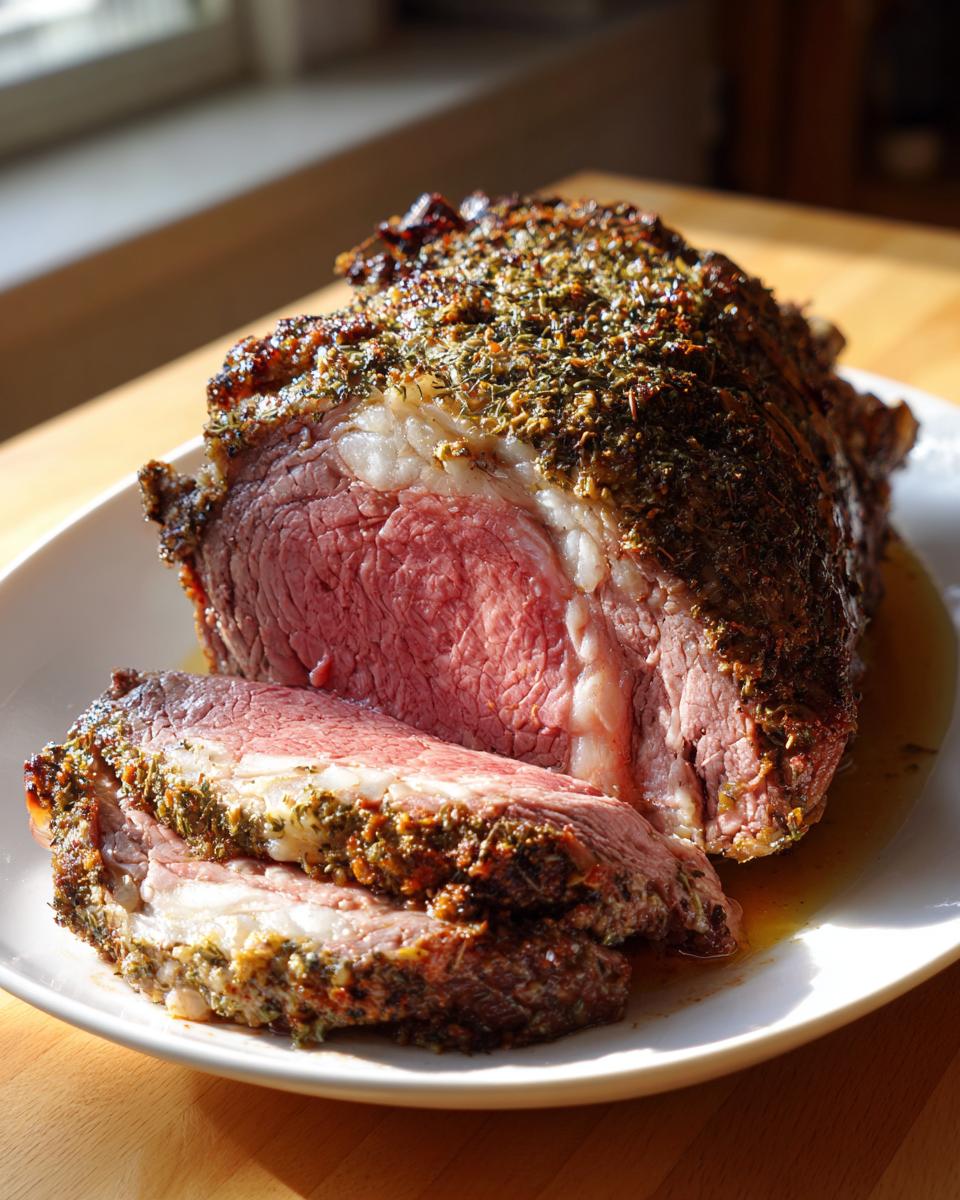
You’ve done the hard part—the roasting is done, and the beef is resting beautifully! Now, don’t let those amazing browned bits in the bottom of your roasting pan go to waste. That’s pure gold for your sauce! We aren’t making a heavy gravy here; we are aiming for a delicate, beefy Prime Rib Au Jus Sauce that just gently coats the slices. Once you’ve carefully lifted the roast out after resting, place that pan right over the stovetop burner on medium heat. Skim off any big puddles of excess fat—you want the flavorful bits (we call that ‘fond’) and the liquid left behind.
Pour in your cup of beef broth and use a wooden spoon to scrape up all those delicious, stuck-on bits. That’s where so much of the flavor for How to Cook Prime Rib Roast really comes from! Let that come up to a gentle simmer. Then, for a slight thickness, whisk in that little slurry of cornstarch and cold water. Go slow, though! Au Jus should be thin enough to drizzle, not spoon. It’s amazing how something so simple, made right from the pan drippings, tastes so much better than anything store-bought. For a few more quick sauce ideas, I have some great tips for quick homemade sauces on the site.
If you want more detailed tips specifically on making this classic dipping sauce, I found a wonderful, no-fuss recipe focused just on the pan juices over at Ketocook Journal. It’s all about maximizing those drippings!
Tips for Success with Your Herb Crusted Roast Beef
Even with a foolproof recipe like this, sometimes you want to go the extra mile, right? These little tricks are what turn a great roast into the absolute Best Prime Rib Recipe your family talks about for years. These extra steps are all about maximizing that flavor build-up before the meat even hits the heat!
Here are a few things I’ve learned over the years to ensure you nail that perfect, juicy oven roast beef:
First, let’s talk about seasoning timing. While our main recipe asks that you season it right before roasting, if you have an extra day, try what I call a gentle dry brine. After applying the rub mixture (skip the oil and minced garlic for this initial step), wrap the roast loosely and let it sit in the fridge overnight, maybe even up to 24 hours. The salt draws moisture out, then sucks it back in, flavorizing the surface deeply. Just remember to pull it out several hours before cooking so it can warm up naturally before that high-heat blast we talked about!
Second, the rack placement is key to achieving that even cook. Make absolutely sure your roast is sitting up on a rack inside the roasting pan. If the bottom of the beef sits directly in the pan juices from the start, it ends up steaming instead of roasting. We want that circulating air underneath to help crisp everything evenly. If you’re looking for another great way to infuse deep flavor into your meat before cooking, you should check out my tips on marinades for some inspiration, though we keep the prime rib straightforward.
Finally, always, always insert your thermometer into the side or bottom of the roast, aiming for the center of the thickest part, making sure you feel the tip of the probe isn’t touching the bone. Hitting the bone will give you a false high reading, which leads to overcooking the edges while the center is still cold. For more fantastic guidance on this exact method, seeing how others tackle this technique is always helpful, so take a peek at what my friends over at Sweet and Savory by Shinee recommend!
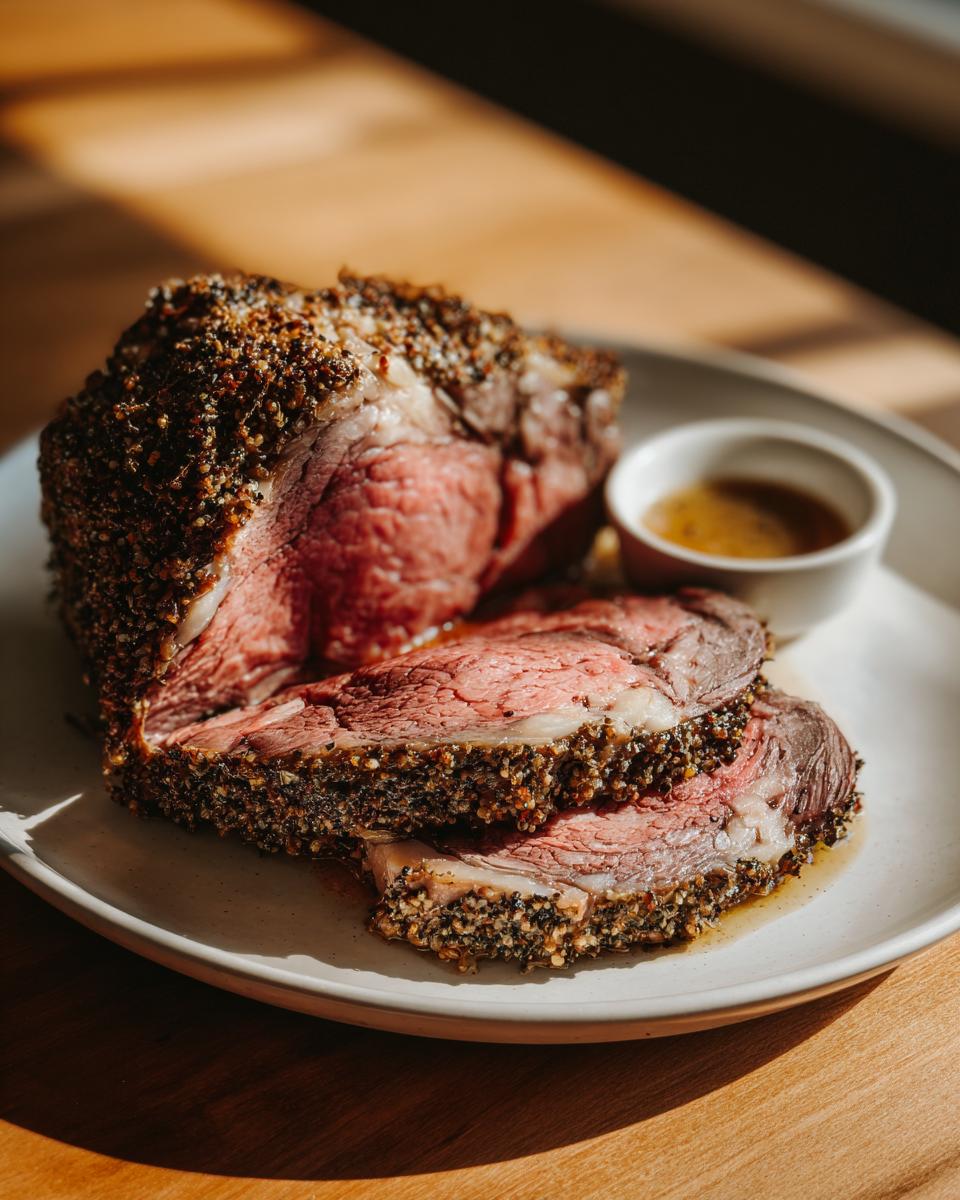
Serving Suggestions for Your Holiday Beef Roast Ideas
When you nail this prime rib recipe, you’ve created the ultimate Christmas Dinner Centerpiece. That rich, savory beef needs sides that can stand up to its flavor but also offer balance. You can’t go wrong with comfort food classics that complement that gorgeous roast!
My go-to, always, are creamy potatoes. Honestly, you simply must try my recipe for creamy roasted garlic mashed potatoes—the richness works perfectly with the Au Jus. For something green and slightly tart to cut through all that delicious fat, a bright, crisp salad is essential. I love whipping up a batch of the copycat Olive Garden salad; the tanginess cleanses the palate perfectly between bites of that incredible beef.
A nice roasted green bean or maybe some creamed spinach rounds out the plate beautifully. It’s all about balancing the richness so you can enjoy every single bite of that beautiful, tender roast!
Storage and Reheating Instructions for Leftover Prime Rib
If you managed to have any of this showstopper beef leftover—and honestly, hats off to you if you did!—you want to treat those leftovers right. We put so much effort into getting that perfect, juicy interior, and we definitely don’t want to serve tough, dry slices the next day. Storing the meat correctly is just as important as the cooking process itself when you’re aiming for next-level leftovers.
The absolute best practice here is to let the remaining roast cool down completely on the counter first before you do anything else. Once slightly cooled, you want to slice whatever beef you plan to eat soon; don’t slice the whole roast and store it whole. Keep those slices stacked loosely in an airtight container. You can typically keep these leftovers safe in the refrigerator for about three to four days. Any longer than that, and the texture starts to really degrade, even in a sealed container.
Now, here’s the crucial part: reheating those precious slices. Never, ever reheat prime rib in the microwave or directly in a hot oven, or you’ll turn that beautiful medium-rare into shoe leather instantly! We need gentle heat and moisture.
You’ve got two great, easy options:
- The Au Jus Bath: This is my favorite. Warm up some of that leftover Au Jus sauce you made—or just some good quality beef broth if you ran out. Place your slices in a shallow oven-safe dish, pour just a splash of the warm liquid over them (not enough to drown them, just to coat the bottom), and cover the dish tightly with foil. Heat gently at 300 degrees F for about 10-15 minutes, or until they are warm through. Just warming them up is the goal; don’t let them simmer!
- Quick Stovetop Simmer: If you only have a couple of slices, put a tiny bit of broth in a non-stick skillet, bring it to a gentle simmer, and lay the slices in one layer. Cover the pan and let them warm over low heat for just a minute or two per side. This keeps everything incredibly tender and moist.
If you use this gentle method, those leftovers will taste almost as fantastic as the first time around, maybe even better when piled high on a toasted roll the next day!
Frequently Asked Questions About Cooking Prime Rib Roast
I know you’ve probably got leftovers, or maybe you’re gearing up to tackle this massive roast for the first time. It’s totally normal to have questions when you are trying to execute the Best Prime Rib Recipe for a big crowd! These are the queries I get most often when people are figuring out how to cook prime rib roast perfectly in their own kitchens. Hopefully, these reliable answers help ease any last-minute worries!
Can I cook a boneless prime rib using this method?
Oh yes, absolutely you can! The two-temperature sear and roast process works beautifully on boneless cuts too. Where you’ll see a difference is the timing. Since there’s no insulating bone structure, the boneless roast heats up faster and more evenly across the surface. You’ll still bring the meat to room temperature and use the same 450°F blast and 325°F slow roast. Just keep a very close eye on that thermometer! You might find your cook time per pound decreases by about 2 to 3 minutes at the lower temperature. The goal stays the same—pull it at 125°F for that Perfect Medium Rare Roast!
What is the best temperature for a rare prime rib?
If you like your beef just barely warmed through, leaning toward the rarer side of the spectrum instead of medium-rare, you’ll want to pull that magnificent cut out of the oven a little sooner. While we aim for 125°F before the rest for a beautiful medium-rare, for a true rare temperature, pull it when the thermometer hits 120°F. Remember, that resting time is still essential, even for rare beef, so those final few degrees climb up nicely without overcooking the edges! If you’re interested in more special setups for your roast, you should browse some of the amazing Christmas Dinner Centerpiece ideas out there.
This method works for any great beef roast, and if you’re looking for some simpler weeknight solutions after the holidays, I have a collection of easy dinner ideas that might inspire you!
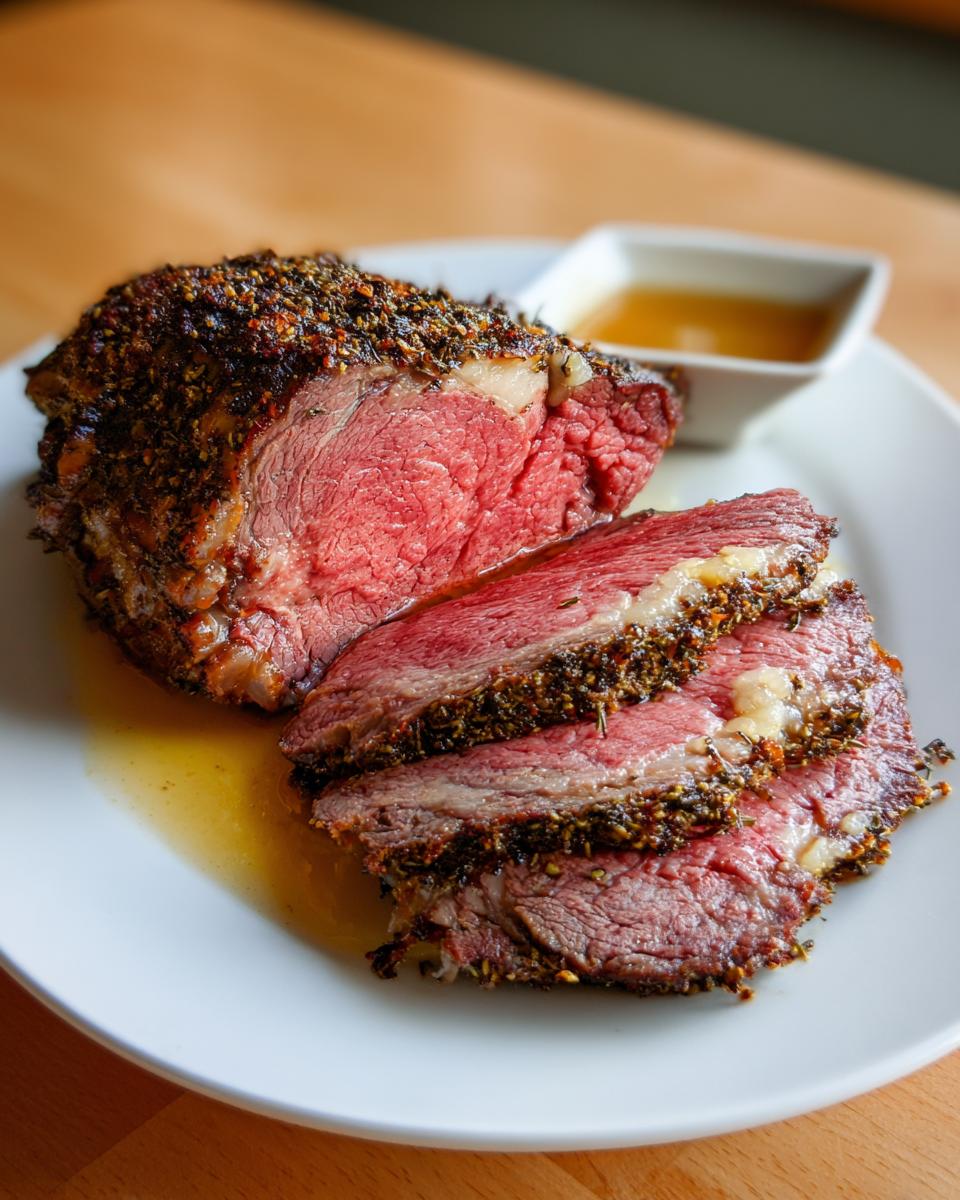
Share Your Showstopper Beef Dinner Experience
Now that you have my very best instructions for achieving that tender, herb-crusted perfection, I genuinely can’t wait to hear how it turned out for you! Cooking is all about sharing what works, so please, when you serve up this incredible prime rib, come back here and leave a rating. Did you love the Au Jus? Did the two-temperature roast work wonders for your kitchen? Don’t be shy! Telling me about your successes helps the next reader feel confident enough to try this Showstopper Beef Dinner too. If you ever need to reach out with specific questions you couldn’t find answered here, you can always send a message through my contact page. Happy cooking, friends!
Share Your Showstopper Beef Dinner Experience
Now that you have my very best instructions for achieving that tender, herb-crusted perfection, I genuinely can’t wait to hear how it turned out for you! Cooking is all about sharing what works, so please, when you serve up this incredible prime rib, come back here and leave a rating. Did you love the Au Jus? Did the two-temperature roast work wonders for your kitchen? Don’t be shy! Telling me about your successes helps the next reader feel confident enough to try this Showstopper Beef Dinner too. If you ever need to reach out with specific questions you couldn’t find answered here, you can always send a message through my contact page. Happy cooking, friends!
PrintThe Ultimate Easy, Herb-Crusted Prime Rib with Foolproof Medium-Rare Instructions and Simple Au Jus
Follow this tried-and-true oven roasting method to create a show-stopping, tender, and juicy prime rib roast with a flavorful garlic herb crust. This recipe guarantees a perfect medium-rare center every time, making it the best prime rib recipe for your holiday dinner.
- Prep Time: 25 min
- Cook Time: 3 hr 30 min
- Total Time: 4 hr 5 min
- Yield: 6-8 servings 1x
- Category: Dinner
- Method: Oven Roasting
- Cuisine: American
- Diet: Low Fat
Ingredients
- 1 (5-7 pound) bone-in prime rib roast (standing rib roast)
- 3 tablespoons kosher salt
- 2 tablespoons fresh ground black pepper
- 1 tablespoon dried thyme
- 1 tablespoon dried rosemary
- 1 tablespoon garlic powder
- 6 cloves garlic, minced
- 1/4 cup olive oil
- 1 cup beef broth (for Au Jus)
- 1 tablespoon cornstarch mixed with 2 tablespoons cold water (for Au Jus slurry)
Instructions
- Remove the prime rib roast from the refrigerator 3 to 4 hours before cooking to allow it to come to room temperature. This helps the roast cook evenly.
- Preheat your oven to 450 degrees Fahrenheit.
- In a small bowl, combine the kosher salt, black pepper, dried thyme, dried rosemary, and garlic powder. Mix well to create the dry rub.
- Pat the entire surface of the roast dry with paper towels.
- Rub the minced garlic evenly over the entire roast.
- Drizzle the olive oil over the roast, then press the dry rub mixture firmly onto all sides of the beef.
- Place the roast, fat side up, in a roasting pan fitted with a rack. Do not cover the roast.
- Place the pan in the preheated 450 degree oven and roast for 15 minutes. This high heat sears the outside and develops the crust.
- Reduce the oven temperature to 325 degrees Fahrenheit. Do not open the oven door when reducing the temperature.
- Continue roasting until the internal temperature reaches 125 degrees Fahrenheit for medium-rare. Use a meat thermometer inserted into the thickest part of the meat, avoiding bone contact. This usually takes about 13 to 15 minutes per pound at 325 degrees after the initial sear.
- Remove the roast from the oven when it reaches 125 degrees Fahrenheit.
- Transfer the roast to a cutting board and tent it loosely with aluminum foil. Let the roast rest for at least 20 minutes before carving. The internal temperature will rise to about 130-135 degrees Fahrenheit during resting, achieving a perfect medium rare roast.
- To make the Au Jus: Place the roasting pan (with drippings) over medium heat on the stovetop. Skim off excess fat, leaving the browned bits (fond) and liquid.
- Pour the beef broth into the pan and scrape up the browned bits from the bottom of the pan. Bring to a simmer.
- Whisk in the cornstarch slurry slowly until the liquid thickens slightly to your liking. Do not over-thicken; Au Jus should be thin.
- Slice the prime rib against the grain and serve immediately with the warm Au Jus sauce.
Notes
- For a bone-in rib roast cooking guide, the bones act as insulation, often requiring slightly longer cook times than boneless cuts.
- If you prefer a crispier herb crust, you can place the roast under the broiler for the last 2-3 minutes, watching closely to prevent burning.
- Always use a reliable meat thermometer; this is the only way to guarantee a perfect medium-rare result.
Nutrition
- Serving Size: 6 oz cooked meat
- Calories: 450
- Sugar: 0
- Sodium: 450
- Fat: 30
- Saturated Fat: 12
- Unsaturated Fat: 18
- Trans Fat: 0
- Carbohydrates: 1
- Fiber: 0
- Protein: 40
- Cholesterol: 140