

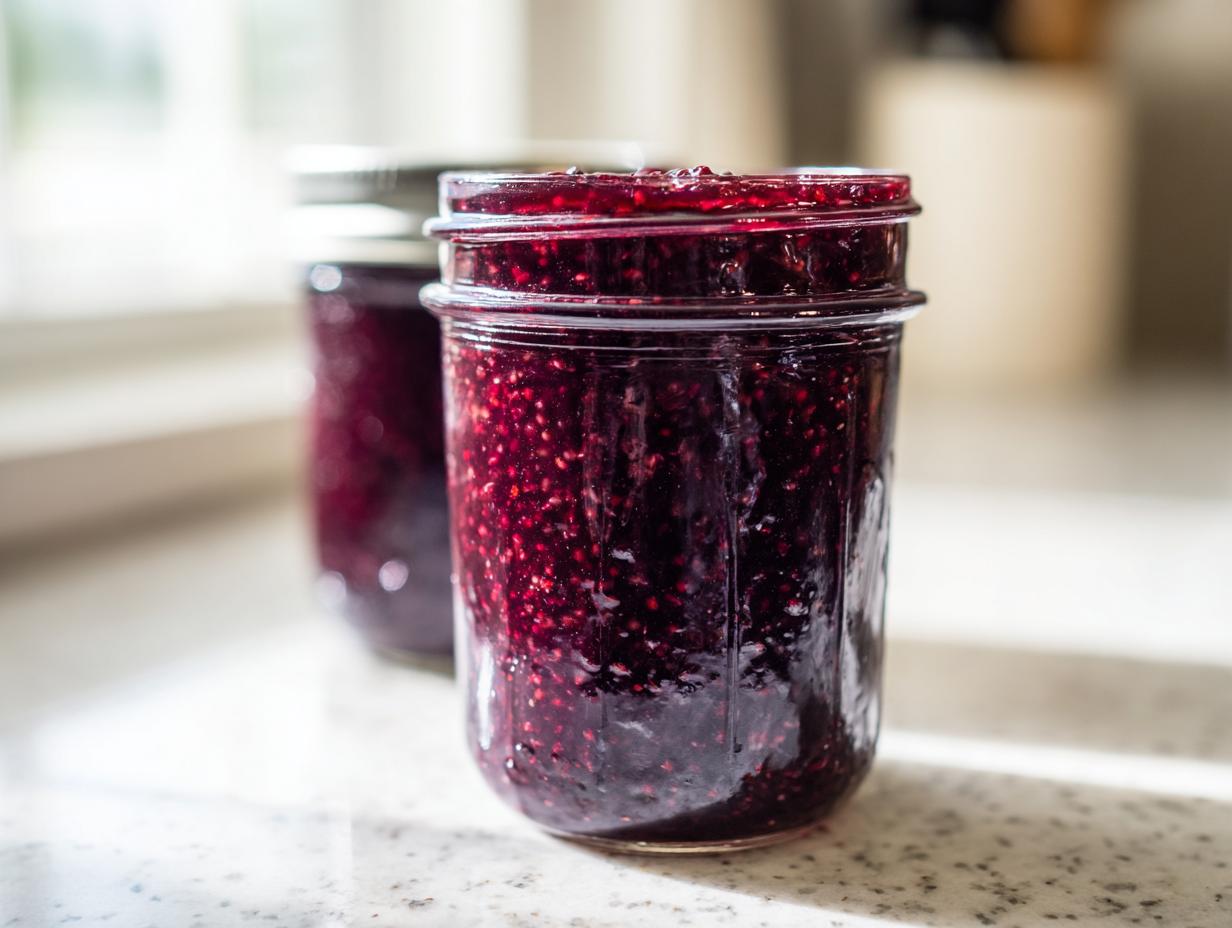
Oh, there’s nothing quite like that first taste of summer preserved perfectly in a jar, is there? I live for that moment! If you’ve got a haul of fresh blackberries, don’t let them just sit there getting soft—we need to capture that brightness right now. This small batch blackberry jam recipe is my absolute go-to because it’s reliable, uses the easy pectin method, and is perfectly sized for most harvests. Just like my Grandma taught me about putting care into everything we cook, this recipe is built on simple tradition but tested for modern success. We’ll get this jam canned beautifully!
- Why This Small Batch Blackberry Jam Recipe Works
- Ingredients for Your Blackberry Jam
- Preparing for Water Bath Canning
- Step-by-Step Instructions for Blackberry Jam
- Processing Your Homemade Preserves
- Tips for Perfect Blackberry Jam Success
- Storing and Using Your Blackberry Jam
- Frequently Asked Questions About Blackberry Jam
- Sharing Your Homemade Preserves
Why This Small Batch Blackberry Jam Recipe Works
Honestly, folks, this recipe is my favorite because it takes all the guesswork out of preserving. When you’re dealing with fresh berries, you need something that sets up perfectly without being fussy. Trust me, it’s a lifesaver when you get a huge haul of fruit that needs processing fast.
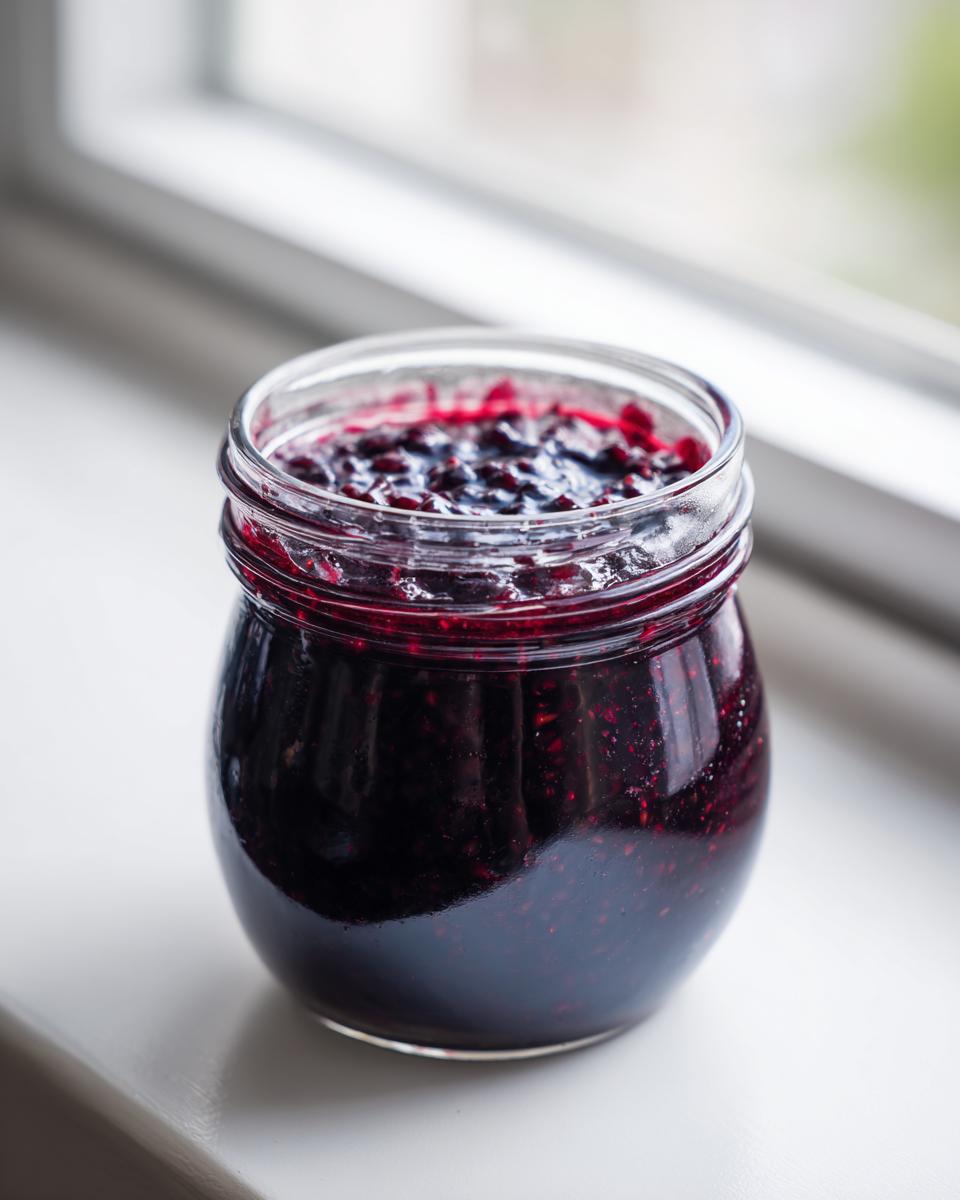
- It’s extremely reliable, thanks to the exact measurements of regular pectin.
- The flavor stays bright and intensely blackberry, not just sugary sweetness.
- It yields just about seven half-pints, which is perfect for trying out a new batch without committing to a massive, all-day project.
Perfect for Summer Canning
This is why I developed this recipe—it’s perfect for manageable summer canning sessions. You don’t need to wait until you have bushels of berries. If you pick a couple of pints one afternoon, this recipe lets you turn those beauties into shelf-stable goodness that same evening. Then you still have room in the canner for that next batch!
Ingredients for Your Blackberry Jam
Okay, let’s talk about what goes into this amazing blackberry jam. When you’re making preserves that need to last, precision really matters, so grab your measuring cups! I listed everything here for about seven half-pints, which is just the right amount to keep me happy through winter without jamming up my fridge for weeks.
- 4 cups crushed blackberries (that’s about three pints of whole berries, give or take!)
- 1/2 cup water
- 1 box (1.75 oz) regular powdered pectin
- 7 cups granulated sugar
Ingredient Spotlight: Pectin and Sugar Choices
See that regular powdered pectin on the list? That’s the key player here, ensuring a beautiful, foolproof set every single time we do this pectin jam recipe. It works perfectly with the full amount of sugar listed above. Now, if you’ve been reading my notes, you know I sometimes get requests for lower sugar jams.
If you decide to try reducing the sugar drastically—and I mean *drastically*—you absolutely must swap out this regular pectin for a low-sugar version. The chemistry changes completely! If you use low-sugar pectin but keep the full sugar amount, you’ll end up with raspberry syrup instead of jam. Always follow the specific package directions if you mess with that sugar ratio!
Also, about those berries: please make sure they are firm when you crush them. Mushy berries give you a cloudy, less nice final product. We want vibrant, deep flavor coming through!
Preparing for Water Bath Canning
Before any blackberry magic happens on the stove, we have to get our canning station ready. This is where we build trust with the process, making sure everything is clean and ready to go so that when that jam is perfectly cooked, we can seal it fast! Never skip setup, even for a small batch jam like this one.
First up: the canner. Take your big stockpot designated for water bath canning and fill it up about halfway with water. You want that water simmering—that means 180 degrees F—before the hot jars go in. We’re not boiling it intensely yet, just keeping it warm.
Next, get your jars ready. You need to make sure your jars, lids, and bands are spotlessly clean. I always run mine through a hot dishwasher cycle just before I start cooking the fruit. Keeping the jars hot until they are filled is one of those little secrets that prevents them from cracking when they hit the hot jam. Safety first in the kitchen, always!
Step-by-Step Instructions for Blackberry Jam
Now we get to the fun part—the actual cooking! Following these steps precisely means you get that perfect set and avoid scrambling when things get hot. We’re concentrating our heat and working deliberately to capture all that gorgeous berry flavor for your homemade preserves.
Start by putting your crushed blackberries and the water into that big, heavy pot. Get the heat up to medium-high and stir until you hit what we call a “full rolling boil”—that’s one that won’t stop boiling even when you try to stir it down. This is important!
Achieving the Rolling Boil and Setting the Gel
The second you hit that rolling boil, quickly whisk in the entire box of powdered pectin. Stir constantly and bring that mixture right back up to a full, hard rolling boil again. This is where the magic starts setting up! Now, add all seven cups of sugar at once, stirring like crazy. Once it boils hard again, boil for exactly one minute—no more, no less—stirring the whole time. When that minute is up, pull it off the burner!
This recipe uses pectin, so we don’t strictly need the little frozen plate test, but old habits die hard! If you’re ever nervous about a natural jam, try the test from my notes just for fun. For this batch, just use a metal spoon to skim off any foamy bubbles you see floating on top. Foam is harmless, but it doesn’t look pretty in the jar!
Filling Jars and Sealing for Water Bath Canning
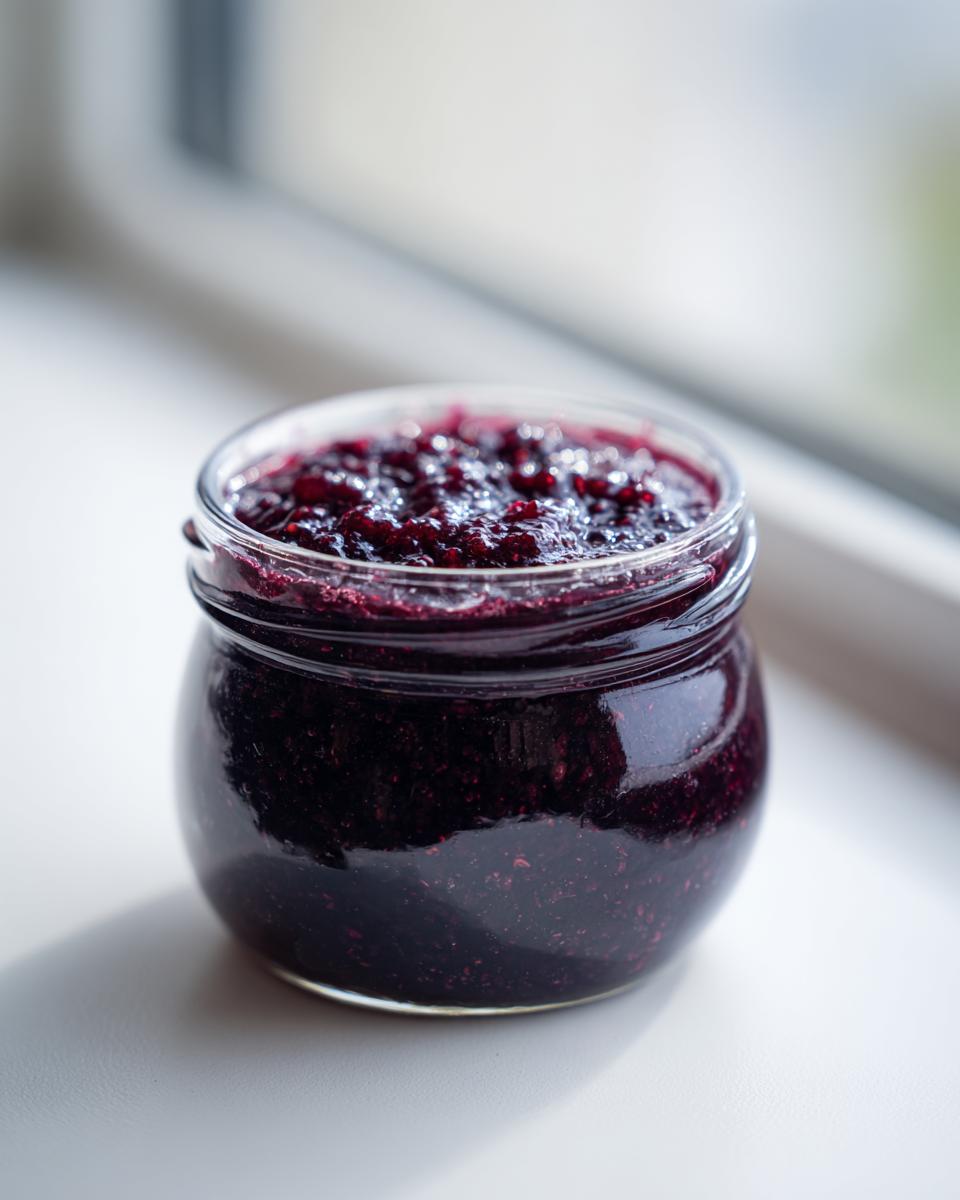
Working quickly now, use a ladle to fill those hot jars. You must leave exactly 1/4 inch of empty space at the very top—that’s your headspace! If you have too much air, the seal might fail later. Wipe down the rims with a clean, damp cloth to get rid of any sticky drips. If the rim isn’t clean, that lid won’t stick!
Place your lids on top and screw the bands on until they feel “fingertip tight.” That means snug, but not cranked down with all your might. If you tighten them too much, steam can’t escape, and that won’t allow for a good seal when we start the water bath canning process later. You’re doing great with your how to can jam skills!
Processing Your Homemade Preserves
With the jars filled and the lids snug, it’s time to send our beautiful blackberry jam into the hot bath! Remember, this step isn’t about cooking the jam anymore; it’s purely about making sure the jars seal properly so these homemade preserves are shelf-stable for months and months. Don’t rush this part—it’s the final safety checkpoint.
Gently lower your filled jars into the canner, making sure the water covers the lids by at least one full inch over the top of the jars. Now, put the lid on the canner and turn the heat back up. We need a strong, full, rolling boil—one that keeps going even when you open the lid to check.
The magic processing time starts the second that water hits that steady, rolling boil. Set your timer for exactly 10 minutes. Ten minutes is what works for us down here at sea level. Now, if you happen to live way up in the hills, you absolutely *must* adjust that time based on your altitude—it’s a quick conversion chart you can look up, but skipping it means your jars might not seal! Don’t worry, it’s easy to check.
When those 10 minutes are up, turn the heat off under the canner. Don’t pull the jars out right away! We let them hang out in the hot water for another 5 minutes. This slow transition helps prevent temperature shock, which can sometimes mess with the seal. After those five minutes, carefully lift the jars out and set them on a towel away from any cold drafts. Hear that sweet little *ping* sound? That means the magic worked!
Tips for Perfect Blackberry Jam Success
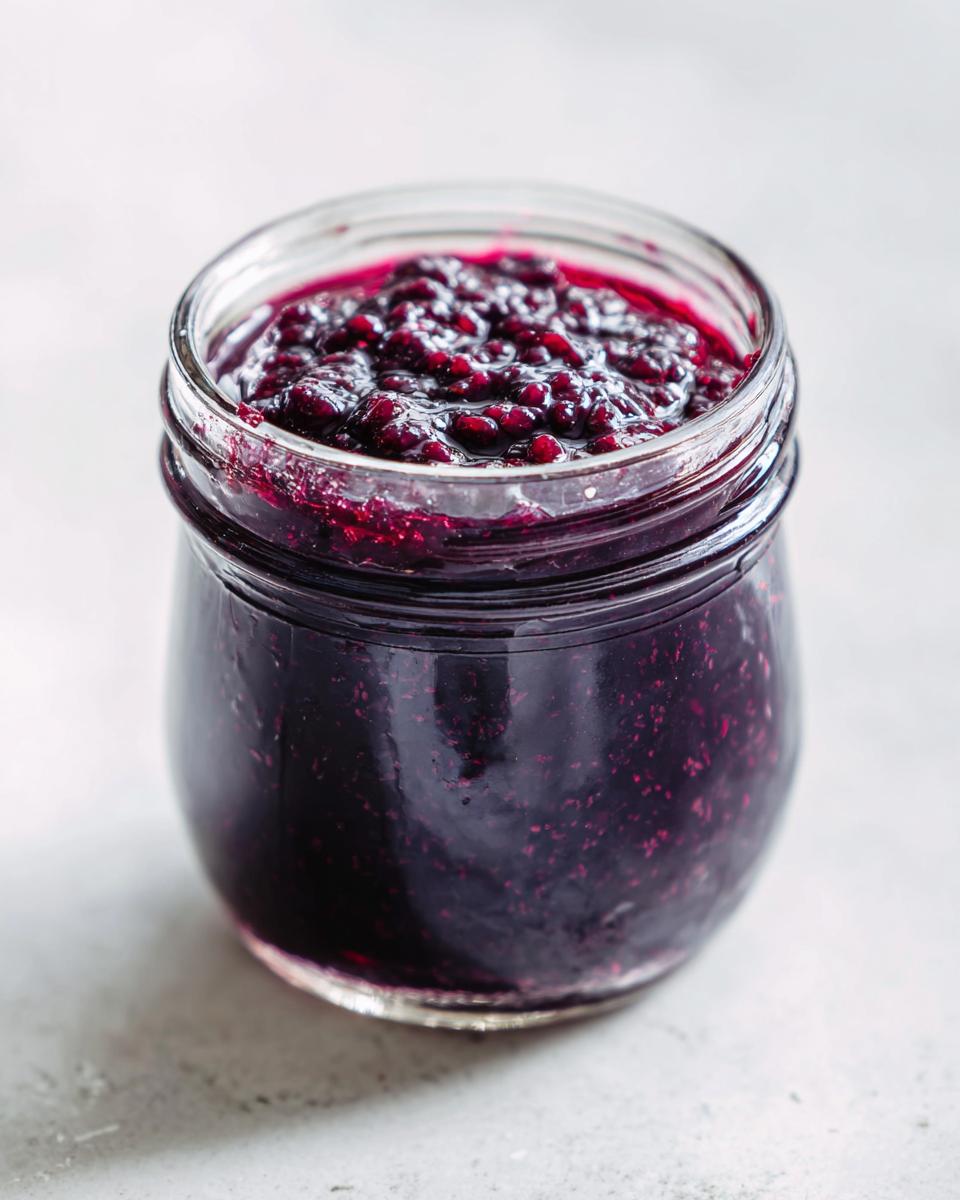
You’ve done the hard work—the cooking, the boiling, and the processing! Now comes the hardest part: waiting! Honestly, stepping away from those hot jars is key to success when you’re making a small batch jam. I know you’ll want to check them every five minutes, but patience pays off here. This cooling time is when the vacuum seal truly sets in and locks that beautiful summer flavor inside.
Once you pull those jars out of the canner, spread them out on a clean, folded kitchen towel or a wire rack. Make sure they aren’t touching each other, and keep them far, far away from any cold windows or air conditioning vents. A sudden chill can cause the glass to contract too fast, and that will absolutely break your seal before it even has a chance to happen.
I always sit in the kitchen with a cup of coffee during the cooling period. The sound I live for is the first solid *ping* from a jar that has officially sealed. When you hear that *pop*, you know you successfully navigated the entire water bath canning process, and those preserves are ready to go for the long haul! It’s the best feeling!
Troubleshooting Common Blackberry Jam Issues
Even with a great recipe, sometimes things go a little sideways in the kitchen. Don’t panic if you have minor issues; usually, they are easy fixes! The goal is always a beautiful, shiny seal, but we can conquer anything that pops up.
First, let’s talk about that foam we skimmed off earlier. If you left too much on, your jars might look a little bubbly on top when they cool. That doesn’t actually impact safety, but it’s not ideal for presentation! If you want perfectly clear tops next time, add a tiny pat of butter right when you take the pot off the heat, then skim that foam right off the top.
The real worry is a jar that just won’t seal after sitting out for 24 hours. If you press the center of the lid and you hear a slight *click* or feel it move, that jar didn’t seal. Don’t put it in the pantry! The good news is that this jam is so delicious, it won’t last long. Just pop that unsealed jar in the back of the fridge and enjoy it within the next three weeks. Next time, try reheating that lid briefly or ensuring your jar rims were spotless before capping!
Storing and Using Your Blackberry Jam
Whew! We made it through the canning process! Now that those jars have sealed up tight, you can admire your handiwork. For all the jars that sealed nicely—listen up—they are happy sitting in a cool, dark pantry. They’ll be delicious for up to a year, easily! The important thing is keeping them out of bright sunlight.
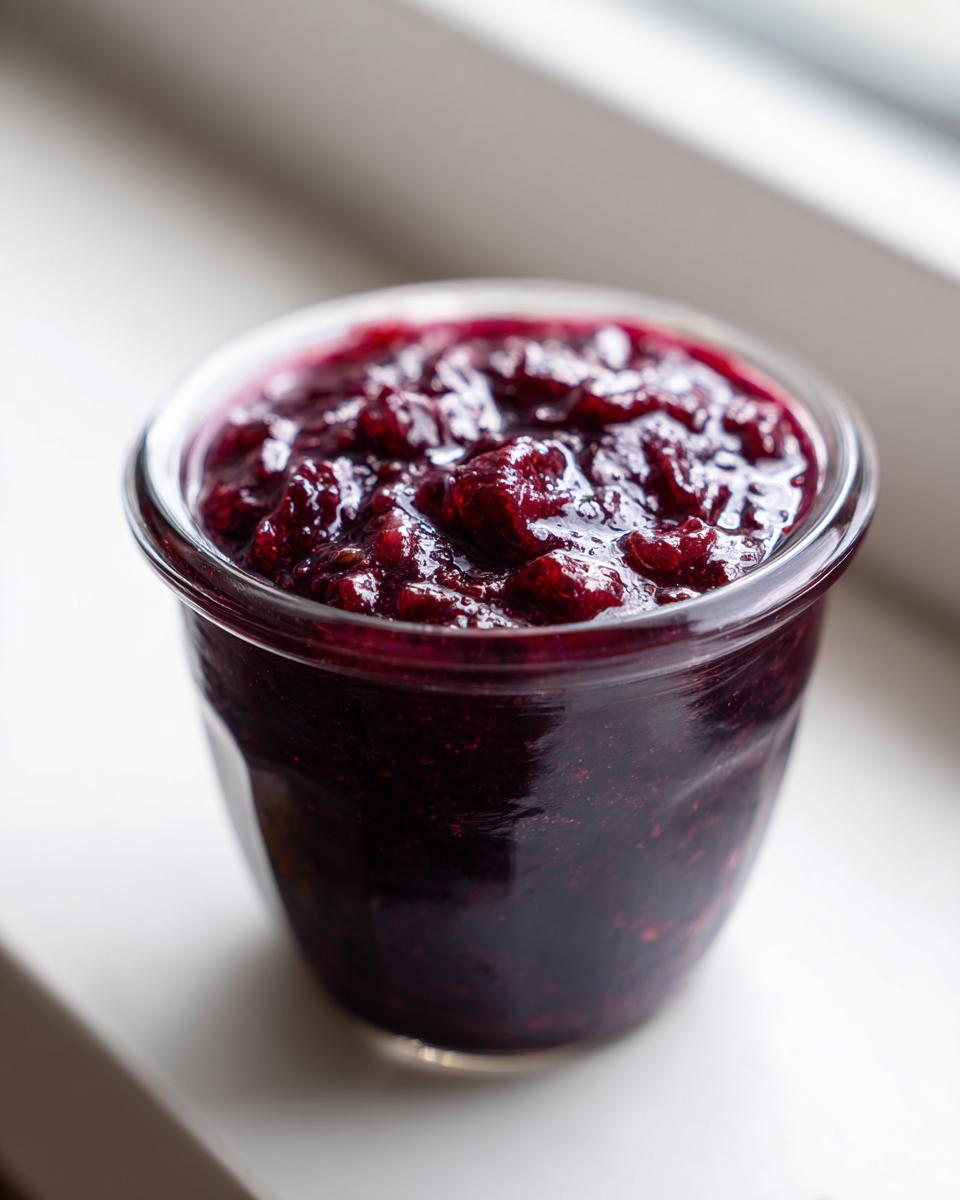
What about the jars that didn’t seal? Don’t fret! Those are meant for immediate enjoyment. Keep any unsealed jars in the refrigerator, and plan to use that lovely small batch jam within about three weeks. If you really need to reheat any unsealed portions to check the seal again later, just warm it gently on the stovetop; never microwave glass jars!
Frequently Asked Questions About Blackberry Jam
I know you might have a few nagging questions after all that boiling and jarring! That’s totally normal when you start learning how to can jam. I’ve pulled together the same questions I get asked all the time about technique and ingredients. We want your results to be perfect!
Can I make this pectin jam recipe without water bath canning?
For this specific recipe that uses regular pectin and full sugar, you really need that water bath canning step to ensure they are shelf-stable for long storage. The heat processing creates that deep vacuum seal that keeps everything safe for months in the pantry.
If you just want to make a small batch to eat right away—say, over the next two or three weeks—you can totally skip the canning steps. Just ladle the hot jam into clean jars, let them cool on the counter, and immediately transfer them to the refrigerator. Just remember, no canning means no long-term shelf life for your homemade preserves!
What is the best way to test for gel stage if I skip pectin?
If you decide to try a lower-sugar version without commercial pectin—though I really recommend sticking to the recipe I gave you for your first batch!—you need a reliable test for doneness because the process time changes.
My favorite way to tell if the jam is ready is the classic cold plate method. Before you start cooking, stick a small saucer plate in your freezer. When you think the jam is done cooking, carefully drop a teaspoon of hot jam onto that ice-cold plate. Pop it back into the freezer for just one minute. Then, gently push on the jam with your finger. If the surface wrinkles up, you know it’s hit the right consistency and is ready to come off the heat. If it’s still super runny, boil for another few minutes and test again. It takes a little practice, but it’s incredibly accurate for creating that ideal set in your pectin jam recipe!
Sharing Your Homemade Preserves
Now that your pantry shelves are looking absolutely gorgeous and full of homemade goodness, I really want to hear how it all went!
Did your kitchen smell amazing while that blackberry jam was coming together? Were you happy with how easily the pectin helped it set this first time around? Please, hop over and drop a rating on the recipe card—it helps other home cooks just starting out feel brave enough to try water bath canning for the first time.
And seriously, send me pictures! I love seeing everyone’s jars lined up. It’s the best part of my day, connecting with you all and knowing that another piece of American home cooking heritage is safe and sound on your shelves.
If you have any tweaks or maybe a fun way you plan to use those jars of preserves—whether it’s topping ice cream or making a killer glaze for chicken—please don’t hesitate to reach out! You can always send me a message through my contact page. Let’s keep sharing these delicious memories!
PrintSmall Batch Blackberry Jam Recipe with Water Bath Canning
Make homemade preserves using this reliable small batch blackberry jam recipe, complete with water bath canning steps and pectin guidance.
- Prep Time: 20 min
- Cook Time: 30 min
- Total Time: 50 min
- Yield: About 7 half-pint jars 1x
- Category: Preserves
- Method: Water Bath Canning
- Cuisine: American
- Diet: Vegetarian
Ingredients
- 4 cups crushed blackberries (about 3 pints fresh)
- 1/2 cup water
- 1 box (1.75 oz) regular powdered pectin
- 7 cups granulated sugar
Instructions
- Prepare your water bath canner: Fill the canner halfway with water and bring it to a simmer (180 degrees F). Have your jars, lids, and bands ready.
- In a large, heavy-bottomed pot, combine the crushed blackberries and water. Heat over medium-high heat until the mixture reaches a full rolling boil that cannot be stirred down.
- Quickly stir in the powdered pectin. Return the mixture to a full rolling boil.
- Add the sugar all at once, stirring constantly. Return the mixture to a full rolling boil. Boil hard for exactly 1 minute, stirring constantly.
- Remove the pot from the heat. Skim off any foam from the surface using a metal spoon.
- Ladle the hot jam into hot, sterilized canning jars, leaving 1/4 inch headspace. Wipe the rims clean with a damp cloth. Center the lids and screw on the bands until fingertip tight.
- Place the filled jars into the simmering water bath canner, ensuring they are covered by at least 1 inch of water.
- Bring the water to a full, rolling boil. Once boiling, start the timer. Process jars for 10 minutes (adjust time for altitude if necessary).
- Turn off the heat, remove the canner lid, and let the jars stand in the hot water for 5 minutes.
- Carefully remove the jars and place them on a folded towel or wire rack, away from drafts. Let them cool undisturbed for 12 to 24 hours. Check seals; sealed jars are ready for storage.
Notes
- To test for gel stage without pectin, place a small plate in the freezer before starting. When you think the jam is done, drop a teaspoon of jam onto the cold plate. Return it to the freezer for 1 minute. Push the jam; if the surface wrinkles, it has reached the gel stage.
- If you prefer a lower sugar jam, you must use a low-sugar pectin product and follow the specific instructions on that package, as the boiling time will change.
- For best results when canning, use fresh, firm blackberries.
Nutrition
- Serving Size: 1/4 cup
- Calories: 100
- Sugar: 26
- Sodium: 0
- Fat: 0
- Saturated Fat: 0
- Unsaturated Fat: 0
- Trans Fat: 0
- Carbohydrates: 26
- Fiber: 1
- Protein: 0
- Cholesterol: 0